Why Commercial Buildings Remain Vacant Despite Strong Demand in Nigeria's Property Market
Market Mismatch, High Costs Leave Commercial Properties Empty Across Nigeria
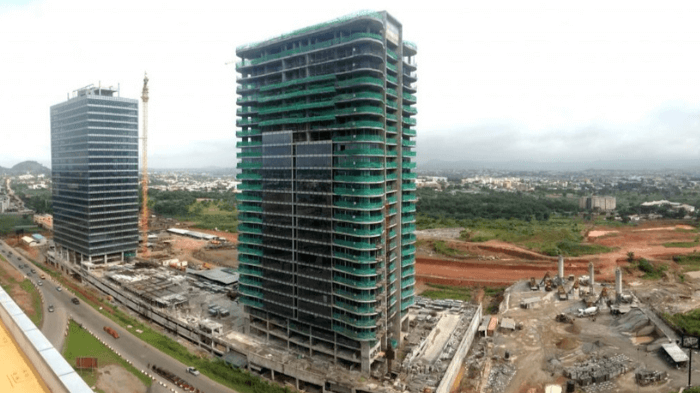
While commercial real estate remains an attractive investment class, a growing number of office buildings, retail spaces and mixed-use developments across Nigeria are struggling to attract or retain tenants. Industry professionals say the problem is less about a lack of demand and more about a mismatch between available space and what today's occupiers can afford or require.
/ You Might Also Like /

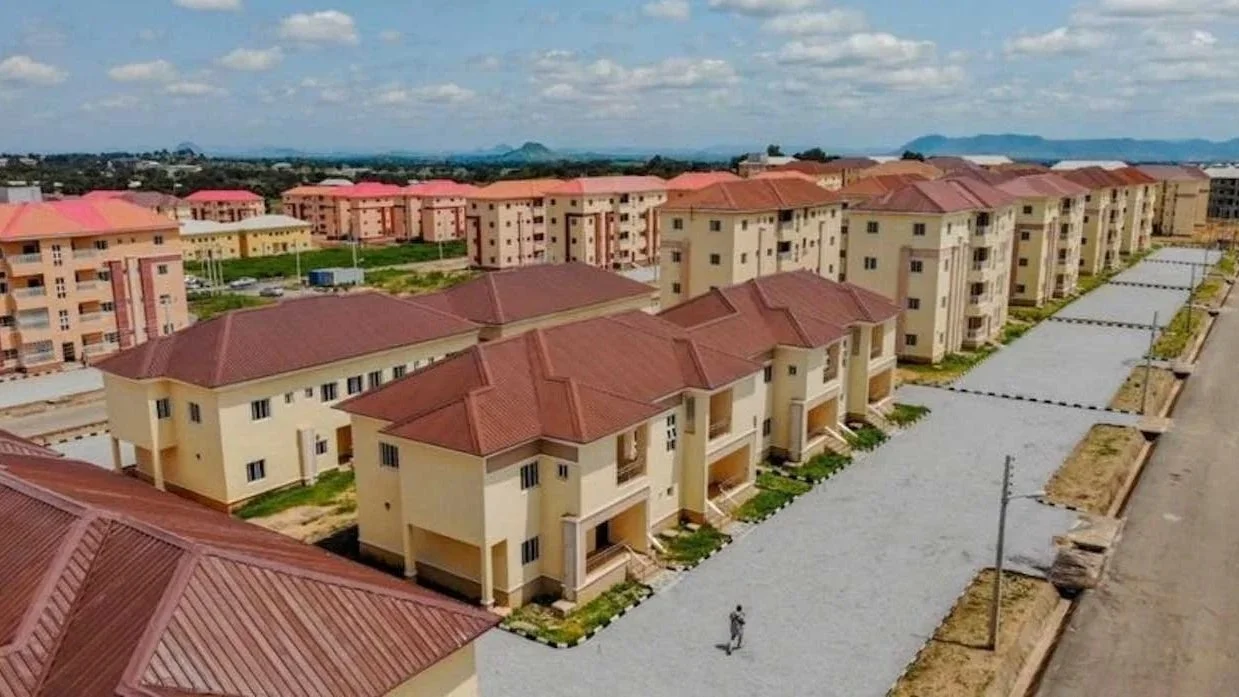

According to property experts, prolonged vacancies are creating financial pressure for landlords while reducing returns on investment and slowing activity across parts of the commercial real estate market. The situation reflects broader economic conditions, changing workplace trends and evolving business preferences.
High Occupancy Costs Limit Demand
One of the major factors contributing to commercial vacancies is affordability.
Businesses continue to face higher operating costs driven by inflation, exchange rate volatility, rising energy prices and elevated borrowing costs. As a result, many companies are downsizing, renegotiating leases or delaying expansion plans, reducing demand for premium office and retail space.
For many prospective tenants, the total cost of occupying commercial property now extends well beyond rent to include service charges, power supply, facility management and maintenance costs.
Market Mismatch
Property professionals also point to a disconnect between supply and demand.
In several locations, developers have continued delivering premium office and commercial developments even as many businesses increasingly seek smaller, flexible and more cost-efficient spaces. This mismatch has left some completed buildings with significant vacant floor space despite continued demand for commercial accommodation in other market segments.
The trend suggests that future developments will need to respond more closely to changing occupier requirements rather than relying solely on traditional office formats.
Location and Infrastructure Matter
Accessibility, security and infrastructure continue to influence tenant decisions.
Commercial buildings located in areas with poor road networks, unreliable electricity, flooding challenges or security concerns often experience slower leasing activity than properties in well-connected business districts. Businesses are placing greater emphasis on locations that minimise operational risks and improve employee accessibility.
Implications for Housing and Real Estate
The increase in commercial vacancies offers important lessons for the wider property sector.
Developers are likely to place greater emphasis on market research before commencing new projects, ensuring developments match current demand and purchasing power. Investors may also diversify towards mixed-use developments that combine residential, commercial and hospitality components to improve occupancy and long-term returns.
Where vacancies persist, some underutilised commercial buildings could eventually be repositioned or converted into alternative uses, including residential apartments, healthcare facilities or educational institutions, depending on market conditions and planning regulations.
Why It Matters
Vacant commercial buildings represent more than lost rental income. They reduce asset values, weaken surrounding business activity and can discourage new investment if left unoccupied for extended periods. Well-utilised commercial property supports employment, urban regeneration and local economic growth, making occupancy rates an important indicator of real estate market health.
Outlook
As Nigeria's economy continues to adjust to changing business conditions, commercial property owners are expected to adopt more flexible leasing models, improve building quality and tailor developments to evolving tenant needs. Projects that offer competitive operating costs, reliable infrastructure and adaptable workspaces are likely to outperform less responsive developments in the years ahead.
READ MORE