Umahi Defends Tinubu’s Borrowing Strategy as Nigeria’s External Debt Climbs to $51.86 Billion
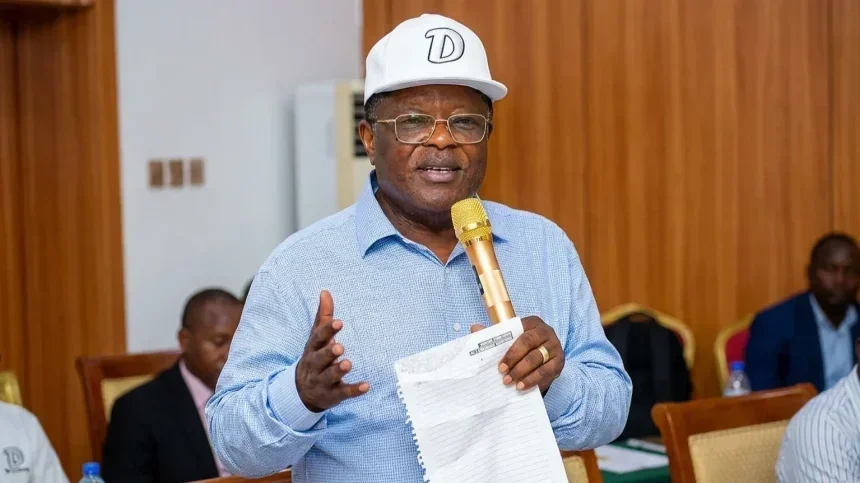
Nigeria’s Debt Debate Intensifies as Umahi Justifies Tinubu’s Borrowing Programme
Nigeria’s growing debt profile has returned to the centre of public debate after Minister of Works David Umahi defended President Bola Tinubu’s borrowing strategy, arguing that the funds are being directed towards critical infrastructure projects necessary for economic growth and national development.
Umahi’s comments come as official data show Nigeria’s external debt stock increased to $51.86 billion by December 2025, raising concerns among economists, business groups and policymakers about the pace of debt accumulation and its long-term implications for fiscal sustainability. According to data published by the Debt Management Office (DMO), the country’s external debt rose from $42.49 billion in December 2023, representing an increase of approximately 22 per cent over two years.
/ You Might Also Like /




The development highlights a growing policy debate over whether increased borrowing is a necessary tool for infrastructure expansion and economic reform or a potential risk to Nigeria’s fiscal stability.
Umahi: Infrastructure Requires Long-Term Financing
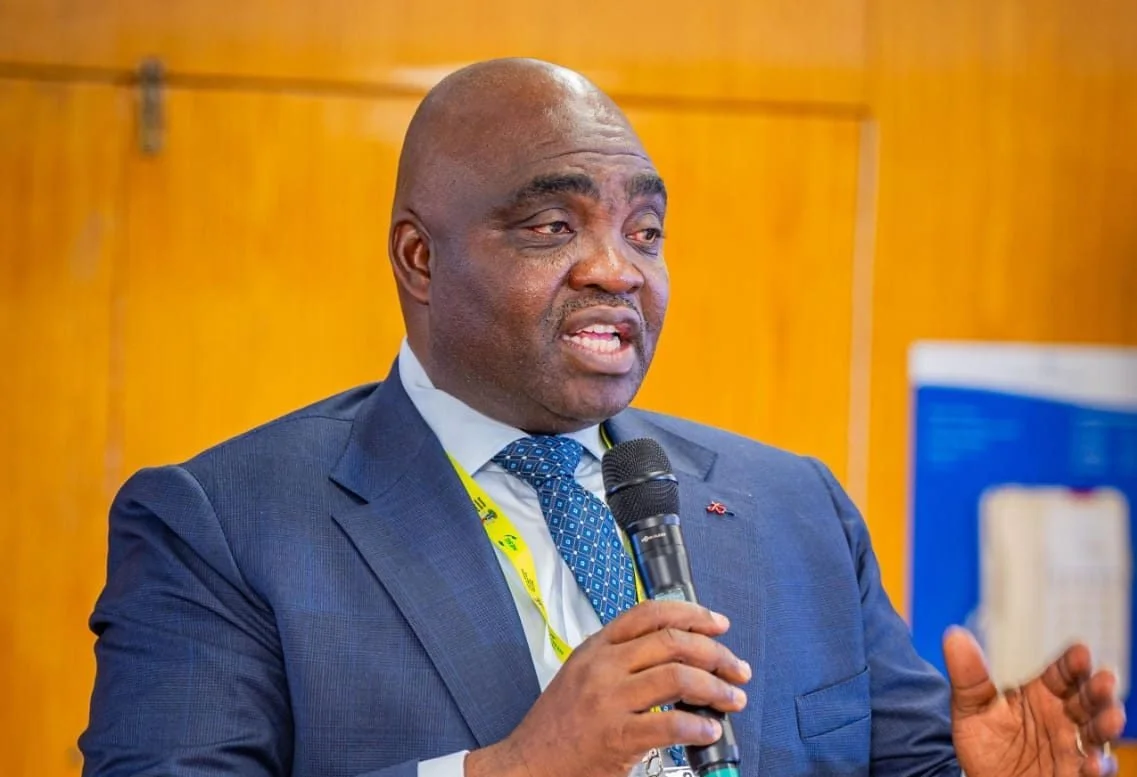
Speaking in Abuja during a visit by the Inspector General of Police to the Ministry of Works, Umahi defended the administration’s borrowing programme, stating that investments in roads and infrastructure are essential for improving security, trade and economic productivity.
According to the minister, transportation infrastructure remains a foundational requirement for economic activity, enabling the movement of goods, improving access to markets and supporting government efforts to strengthen national security. He argued that borrowing for infrastructure should be viewed as a strategic investment rather than a fiscal burden when the projects deliver long-term economic benefits.
The remarks align with the Federal Government’s broader position that infrastructure deficits continue to constrain economic growth and require substantial capital investment beyond current revenue capacity.
Nigeria’s External Debt Continues to Expand
Recent DMO figures indicate that multilateral lenders and international capital markets have become the primary drivers of Nigeria’s external debt growth. According to the agency, the country’s debt portfolio is increasingly concentrated among institutions such as the World Bank, the African Development Bank and international bond investors.
The World Bank remains Nigeria’s largest external creditor. Data show that obligations to the International Development Association (IDA) increased significantly between 2023 and 2025, while borrowing from the International Bank for Reconstruction and Development (IBRD) also expanded. During the same period, Nigeria’s Eurobond debt rose substantially following the government’s return to international capital markets through multiple bond issuances.
Analysts note that the borrowing surge reflects efforts by the Federal Government to finance economic reforms, support infrastructure programmes and address fiscal deficits amid ongoing revenue challenges.
Infrastructure Financing Remains a Government Priority
The Tinubu administration has consistently identified infrastructure development as a central pillar of its economic agenda. Major projects across the transportation sector, including highway rehabilitation and expansion programmes, have been positioned as catalysts for economic growth and regional connectivity.
Government officials argue that modern infrastructure can improve productivity, lower logistics costs, stimulate private-sector investment and enhance Nigeria’s competitiveness. Supporters of the administration’s borrowing strategy maintain that infrastructure spending can generate economic returns that outweigh the costs of debt servicing over time.
This approach mirrors development strategies adopted by several emerging economies that have relied on debt-financed infrastructure investments to accelerate economic transformation.
Growing Concerns Over Debt Sustainability
Despite government assurances, concerns about debt sustainability continue to intensify. Economic analysts and private-sector stakeholders have questioned whether rising debt levels could place increasing pressure on public finances, particularly as debt-servicing obligations consume a larger share of government revenue.
According to DMO data cited by analysts, Nigeria’s total public debt reached approximately ₦159.28 trillion by the end of 2025, with external debt accounting for nearly half of the total debt stock. External debt servicing costs also increased during the period, reflecting the growing financial commitments associated with new borrowing.
Critics argue that while infrastructure investments are necessary, the government must ensure that borrowed funds are deployed efficiently and generate measurable economic returns capable of supporting future repayment obligations. Some stakeholders have also called for stronger revenue mobilisation and improved fiscal discipline to reduce dependence on borrowing.
Presidency Maintains Nigeria Has Borrowing Capacity
The Federal Government has repeatedly defended its debt strategy, maintaining that Nigeria remains within acceptable borrowing thresholds relative to other African economies.
Presidential officials have argued that the country retains access to credit markets because lenders continue to view Nigeria as creditworthy. They contend that strategic borrowing remains an important mechanism for financing development projects, particularly in infrastructure sectors that require significant capital expenditure.
The administration has also pointed to ongoing economic reforms, including fiscal adjustments and investment-focused policies, as measures intended to strengthen the country’s long-term economic fundamentals.
Balancing Development Needs and Fiscal Responsibility
The debate surrounding Nigeria’s rising debt profile underscores a broader challenge facing many developing economies: balancing urgent infrastructure needs against fiscal sustainability concerns.
While improved roads, transportation networks and public infrastructure are widely recognised as essential for economic growth, the financing model remains a subject of scrutiny. Policymakers, investors and development institutions continue to monitor whether debt-funded projects can generate sufficient economic value to justify increased borrowing.
For Nigeria, the discussion is likely to remain central to economic policy as the government seeks to accelerate development while managing rising debt obligations in a challenging global financial environment.
Outlook
As Nigeria’s external debt reaches $51.86 billion, the government’s borrowing strategy is expected to remain under close examination from investors, economists and international financial institutions. While Minister David Umahi and other government officials maintain that current borrowing is supporting critical infrastructure development, concerns over debt sustainability and servicing costs persist.
The effectiveness of the strategy will ultimately depend on the ability of infrastructure investments to stimulate economic growth, expand government revenues and improve productivity. In the coming years, the balance between development financing and fiscal responsibility will remain a key indicator of Nigeria’s economic trajectory.
READ MORE