Ikoyi Luxury Homes Surpass ₦1.1 Billion as Lagos Property Values Reach New High
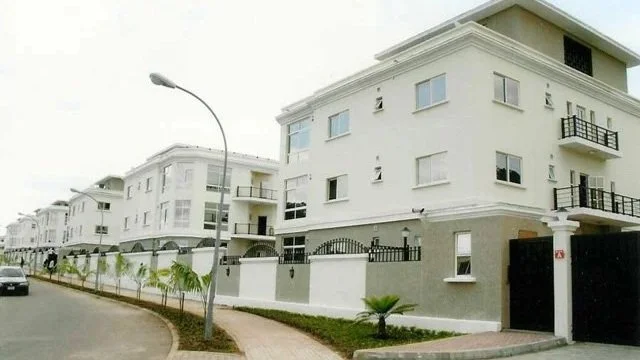
Luxury Real Estate in Ikoyi Reaches Record Prices Amid Strong Investor Demand
Nigeria's premium residential market has reached another milestone, with the average selling price of five-bedroom homes in Ikoyi exceeding ₦1.1 billion, reinforcing the area's position as one of Africa's most valuable luxury real estate markets. The latest market analysis indicates sustained demand for high-end residential properties despite prevailing macroeconomic pressures, underscoring investor confidence in prime Lagos locations.
/ You Might Also Like /




The findings reflect continued appreciation in property values across Ikoyi, where limited land supply, premium developments and strong demand from high-net-worth individuals continue to support price growth.
Luxury Property Market Continues Upward Trend
According to the latest residential market analysis reported by Nairametrics, average prices for five-bedroom detached homes in Ikoyi have crossed the ₦1.1 billion threshold, marking a significant milestone for Nigeria's luxury housing segment. The report attributes the sustained growth to strong demand for premium residential assets, rising construction costs, inflationary pressures and limited availability of prime land within the district.
Ikoyi has consistently remained one of Lagos' most sought-after residential locations, attracting corporate executives, expatriates, diplomats, investors and high-net-worth individuals seeking exclusive residential developments.
Limited Supply Supports Price Appreciation
Property analysts note that one of the major drivers of Ikoyi's price growth is the scarcity of developable land. With few large parcels remaining for new developments, competition for prime sites has intensified, pushing both land and residential property values higher.
The trend has been reinforced by the increasing cost of construction materials, financing and infrastructure development, all of which have contributed to higher development costs that are ultimately reflected in selling prices.
Developers have also continued to invest in ultra-premium residential projects featuring smart home technologies, enhanced security systems, wellness facilities and luxury amenities designed to attract affluent buyers.
Investor Confidence Remains Strong
Despite broader economic challenges, the luxury residential segment has demonstrated resilience compared with other areas of the property market.
Industry experts say many investors continue to view prime Lagos real estate as a long-term store of value, particularly during periods of inflation and currency volatility. High-end residential assets are increasingly regarded as investment vehicles capable of preserving wealth while generating rental income and long-term capital appreciation.
The report suggests that demand from both domestic investors and Nigerians in the diaspora has continued to support transactions within the luxury housing market.
Implications for the Housing Market
While rising luxury property values reflect investor confidence in Lagos' premium residential market, they also highlight the widening gap between high-end and affordable housing segments.
Housing experts have repeatedly emphasised the need for increased investment in affordable and middle-income housing to complement continued growth in the luxury sector. Nigeria continues to face a significant housing deficit, with demand for affordable homes far exceeding current supply.
The strong performance of Ikoyi's luxury market demonstrates the attractiveness of prime real estate investment, but it also underscores the importance of policies that encourage broader housing delivery across different income groups.
Outlook
The latest pricing milestone confirms Ikoyi's position as one of Nigeria's most valuable residential markets and reflects the resilience of Lagos' luxury property sector. As demand for premium homes continues to outpace available supply, analysts expect prime residential values to remain firm in the near term.
For developers, investors and policymakers, the trend reinforces the importance of balancing investment in luxury developments with initiatives that expand affordable housing supply, strengthen urban infrastructure and improve access to homeownership across the wider housing market.
READ MORE