Luxury Homes, Empty Streets: The Growing Debate Over Nigeria's High End Property Market
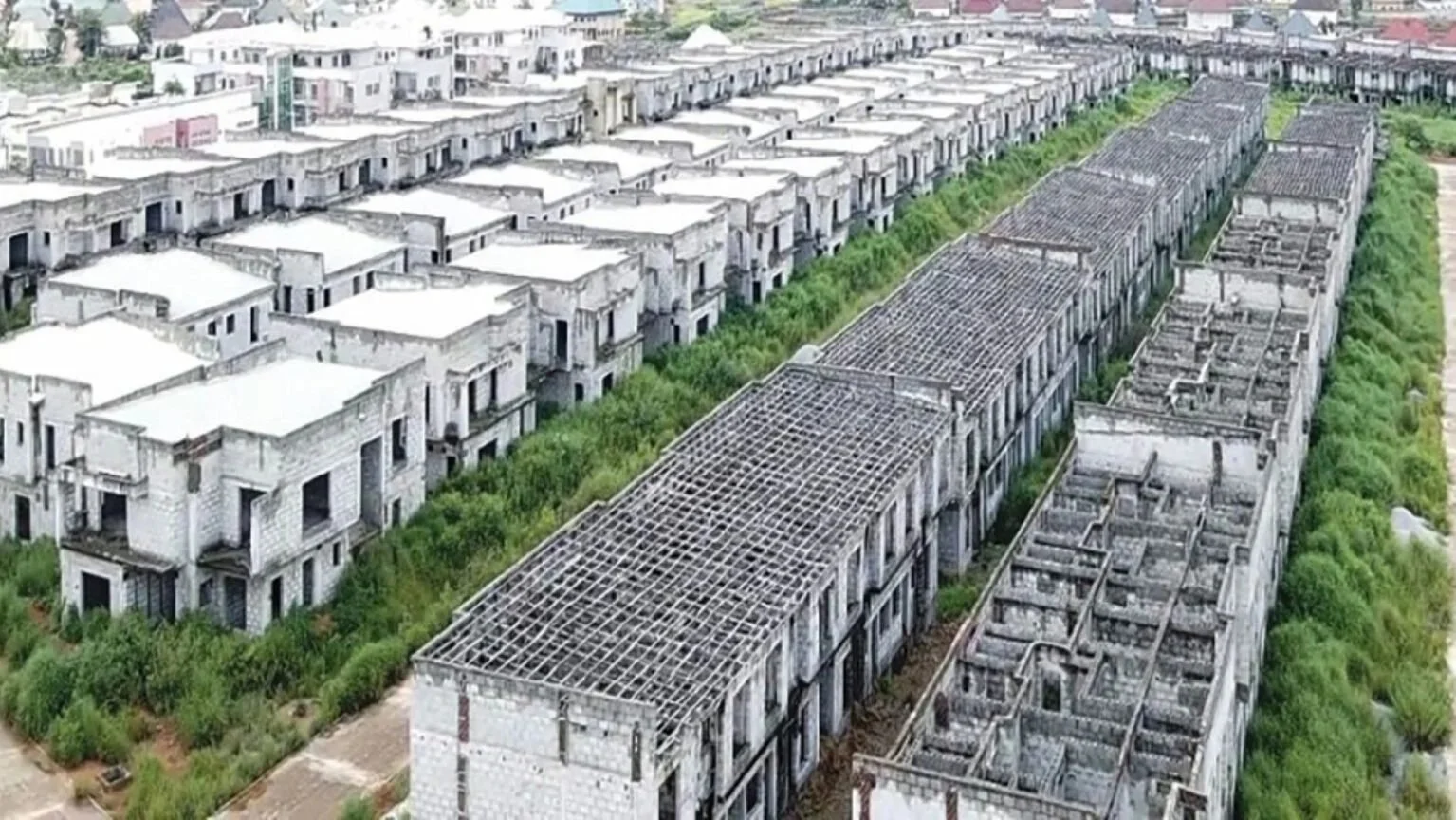
Vacant Luxury Estates Raise Questions as Nigeria’s Housing Deficit Persists
Nigeria’s housing market is facing renewed scrutiny as concerns grow over the increasing number of high-end residential developments that remain largely unoccupied despite the country’s significant housing shortage. Industry stakeholders say the trend highlights a disconnect between luxury real estate supply and the housing needs of millions of Nigerians, raising questions about affordability, market efficiency and the long-term sustainability of property development strategies.
/ You Might Also Like /




The debate has intensified amid growing calls for stronger transparency measures in the real estate sector, particularly regarding property ownership, investment sources and the use of housing assets within the broader economy. According to reports and industry experts cited by The Guardian, large numbers of luxury homes in some prime locations remain vacant even as Nigeria continues to grapple with a housing deficit estimated in the millions of units.
Rising Luxury Supply Amid Housing Shortages
Over the past decade, major cities such as Lagos and Abuja have witnessed significant investment in premium residential developments. Developers have continued to target the luxury segment, driven by demand from high-net-worth individuals, diaspora investors and institutional buyers.
However, property analysts note that the growth of luxury housing has not translated into broader improvements in housing accessibility. While upscale estates continue to emerge across key urban centres, many middle- and lower-income households remain unable to access affordable homeownership or rental opportunities.
This imbalance has fuelled concerns about whether housing supply is being directed toward the segments of the market where demand is greatest.
Experts Highlight Concerns Over Vacant Properties
Industry experts interviewed by The Guardian argue that the growing number of unoccupied luxury homes may reflect deeper structural issues within the property market. Some stakeholders have raised concerns that real estate assets can be used to store wealth rather than provide housing, potentially reducing the availability of residential stock and contributing to price distortions in certain locations.
Experts caution, however, that vacant properties do not automatically indicate wrongdoing. Real estate professionals point to several factors that can contribute to low occupancy rates, including speculative investment, economic uncertainty, foreign ownership patterns and weak purchasing power among prospective buyers.
The discussion has therefore shifted towards improving market transparency and ensuring that property ownership structures are clearly documented and verifiable.
Calls for Greater Transparency in Real Estate
Stakeholders are increasingly advocating stronger transparency measures within the housing and property sector. Recommendations include enhanced beneficial ownership disclosure requirements, improved land registration systems and greater collaboration between regulatory agencies and real estate professionals.
Supporters of these reforms argue that increased transparency could strengthen investor confidence, improve market data and support more efficient allocation of housing resources.
The conversation also aligns with broader efforts by government agencies to strengthen anti-money laundering frameworks and improve oversight of high-value transactions across various sectors of the economy.
Housing Affordability Remains a Key Challenge
Beyond transparency concerns, analysts say the larger issue remains Nigeria’s housing affordability gap. Rising construction costs, inflation, limited access to mortgage financing and infrastructure deficits continue to constrain housing delivery across many parts of the country.
Developers frequently cite the high cost of land acquisition, building materials and financing as major obstacles to producing affordable homes at scale. These challenges have contributed to a situation where luxury developments often generate stronger returns than lower-cost housing projects, encouraging continued investment in the premium segment.
As a result, many housing experts believe that addressing affordability will require coordinated interventions involving government, financial institutions, developers and infrastructure providers.
Implications for Investors and Policymakers
For investors, the growing debate highlights the importance of market fundamentals, occupancy trends and long-term demand patterns when evaluating real estate opportunities. While luxury developments remain an important part of the property market, analysts suggest that future growth may increasingly depend on projects that address broader housing demand.
For policymakers, the issue reinforces the need to balance investment in high-end developments with strategies that expand affordable housing supply, strengthen urban planning and improve housing finance accessibility.
Housing experts argue that sustainable growth in the property sector will depend not only on increasing construction activity but also on ensuring that housing stock aligns with the needs of the population.
Outlook
The discussion surrounding vacant luxury estates underscores the complex challenges facing Nigeria’s housing market. While investment in premium real estate continues to attract capital and support urban development, stakeholders are calling for greater transparency, stronger regulatory oversight and policies that promote housing accessibility.
As Nigeria works to address its housing deficit, the ability to balance investment, affordability and market transparency will remain critical to building a more inclusive and sustainable real estate sector.
READ MORE