Lagos Clears ₦3.67 Billion Salary Arrears for Public Workers, Expands Welfare Support
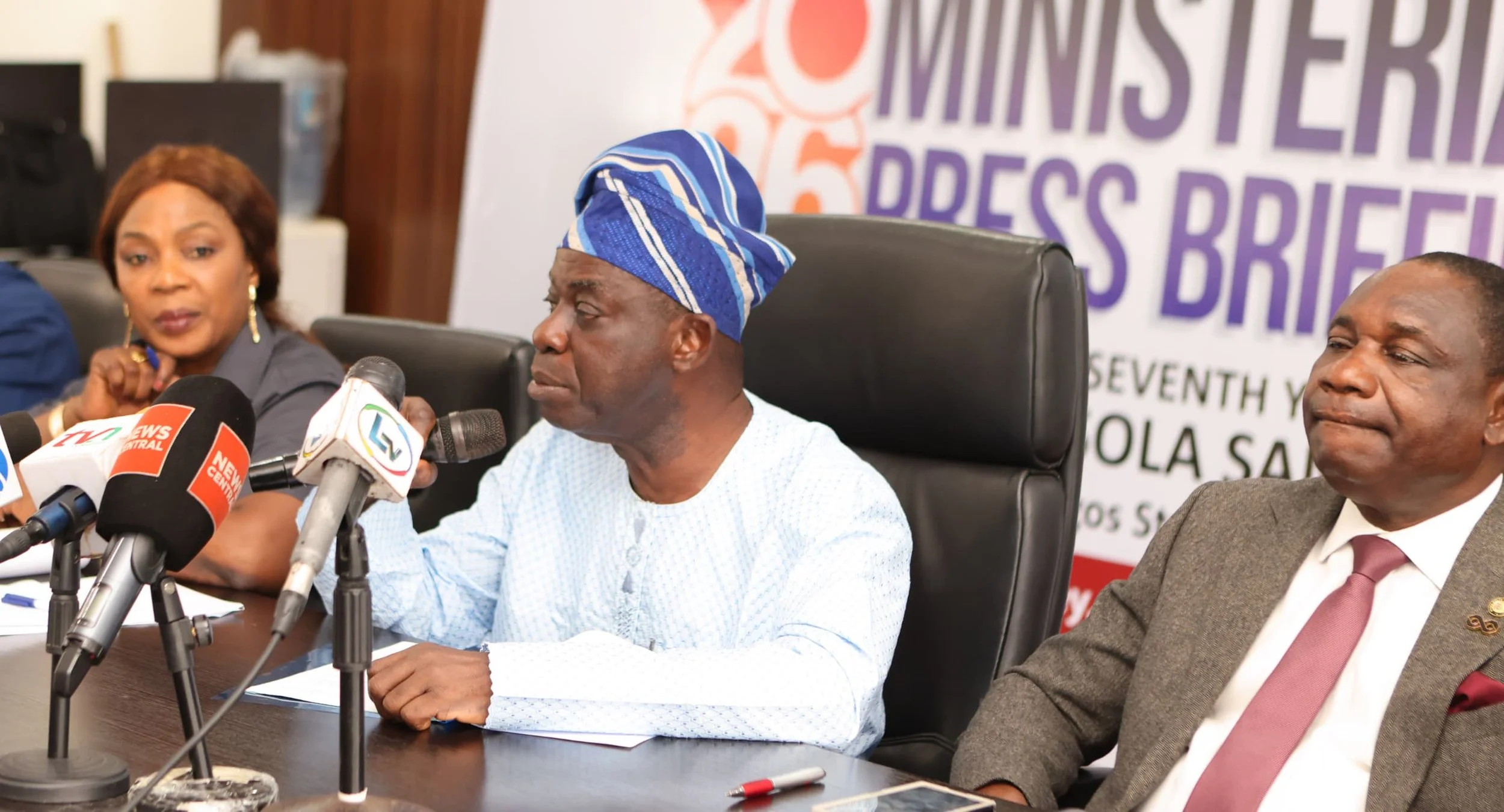
Worker Welfare Takes Centre Stage as Lagos Clears ₦3.67bn Salary Arrears
The Lagos State Government has approved and disbursed ₦3.67 billion in salary arrears to 6,293 academic and non-academic staff across state-owned tertiary institutions, reinforcing its commitment to worker welfare and public service reform. The payment, which covers nine months of outstanding salary adjustments, forms part of a broader package of initiatives aimed at strengthening employee wellbeing, improving productivity and sustaining industrial harmony across the state
/ You Might Also Like /




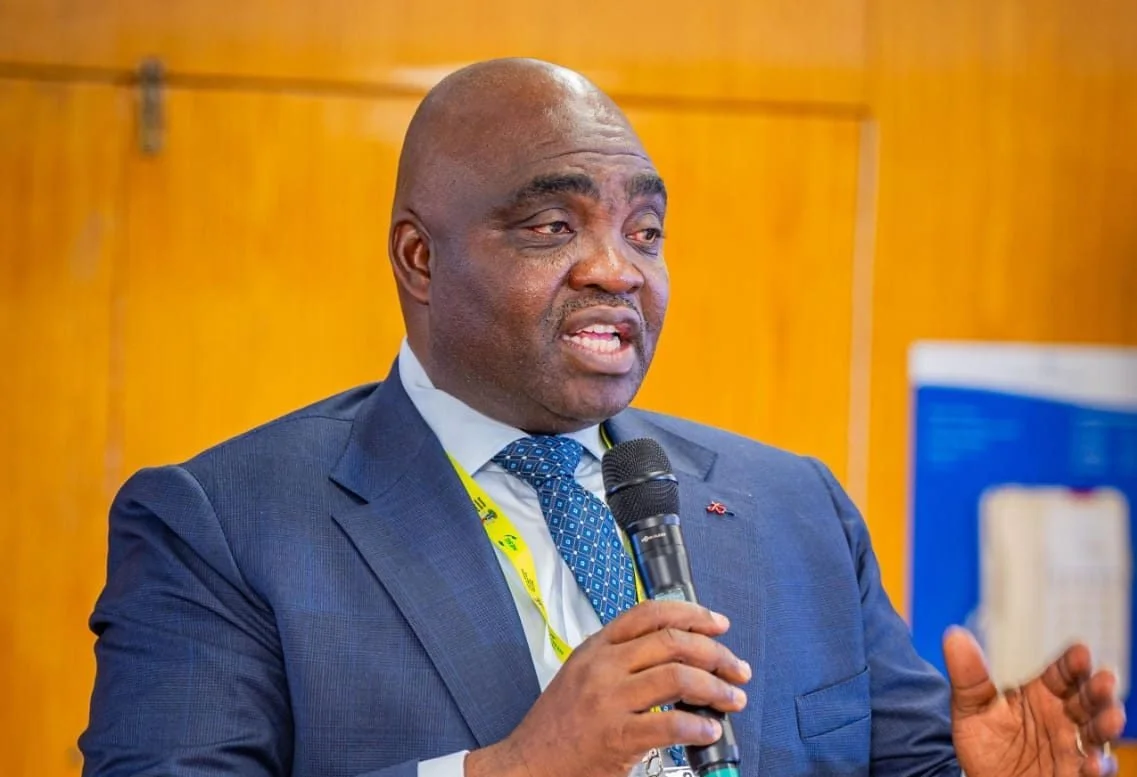
The announcement was made by Lagos State Commissioner for Establishments and Training, Afolabi Ayantayo, during the 2026 ministerial press briefing marking the anniversary of Governor Babajide Sanwo-Olu’s administration in Alausa, Ikeja. According to the commissioner, the arrears resulted from previously approved 25 per cent and 35 per cent salary increases for workers in Lagos State-owned tertiary institutions.
Salary Arrears Settlement Targets Higher Education Workers
The ₦3.67 billion payment addresses outstanding obligations owed to academic and non-academic personnel within Lagos-owned tertiary institutions. Government officials described the move as part of a deliberate strategy to enhance employee welfare while maintaining stability across the public sector.
The settlement comes at a time when state governments across Nigeria are facing growing pressure to improve compensation and working conditions amid persistent inflationary pressures and rising living costs. By clearing the backlog, Lagos aims to strengthen confidence among public workers while supporting uninterrupted service delivery within the education sector.
Expanded Welfare Measures for Workers and Retirees
Beyond the salary arrears payment, the Lagos State Government announced additional welfare interventions targeting both serving and retired public servants. These include a ₦32,000 monthly pension increment for retirees under the Defined Benefit Scheme in alignment with provisions of the National Minimum Wage Amendment Act 2024.
The administration also approved a ₦50,000 fuel palliative for public servants to help mitigate the impact of rising transportation and living costs. State officials said the initiative reflects ongoing efforts to cushion the economic challenges facing workers while preserving purchasing power.
In the healthcare sector, Lagos disbursed ₦456.5 million through the Medical Residency Training Fund to support 470 resident doctors. The government also approved ₦378.8 million in salary differentials for medical and dental practitioners while implementing the Lagos Consolidated Medical Salary Structure (LAGMESS), a measure credited with supporting labour stability within the health sector.
Human Capital Development Remains a Priority
Alongside financial interventions, Lagos has continued to invest in workforce development programmes designed to improve skills, efficiency and institutional capacity.
According to the Ministry of Establishments and Training, 54 training programmes were conducted between May 2025 and May 2026, benefiting more than 7,100 public servants across multiple cadres. The programmes focused on leadership development, specialised skills acquisition and improved service delivery standards.
The government also approved further studies for 4,830 officers and facilitated participation in professional conferences for 248 officers. Additionally, 1,000 public servants underwent digital literacy training as part of efforts to prepare the workforce for an increasingly technology-driven public administration environment.
These initiatives align with broader public sector modernisation efforts aimed at enhancing operational efficiency and strengthening institutional performance.
Pension Payments Exceed ₦8 Billion
Further highlighting the state's focus on employee welfare, Lagos State Head of Service Bode Agoro disclosed that the government paid a total of ₦8.04 billion to retirees under both the Contributory Pension Scheme and Defined Benefit Scheme. The payments form part of ongoing efforts to improve pension administration and ensure timely settlement of retirement benefits.
Agoro noted that public servants remain central to governance and economic development in Lagos, emphasising the administration’s commitment to creating a supportive work environment for both active and retired personnel.
Workforce Expansion and Public Service Reforms
The state also reported significant progress in workforce management and public service administration. According to official figures, 4,837 newly recruited officers were integrated into government systems and deployed across ministries, departments and agencies. Additionally, 25 directors on Grade Level 17 were appointed as Permanent Secretaries and Tutors-General within the state public service.
Officials stated that these measures are intended to strengthen institutional capacity and improve service delivery as Lagos continues to position itself as one of Africa’s leading urban economies.
Implications for Governance and Public Service Delivery
The clearance of salary arrears and expansion of worker welfare programmes underscore the growing recognition of human capital as a critical driver of public sector performance. For Lagos, investments in compensation, training and pension administration are increasingly viewed as strategic tools for improving workforce morale, reducing labour disputes and enhancing governance outcomes.
As Nigeria’s commercial capital continues to experience rapid population growth and rising service demands, maintaining an efficient and motivated public workforce will remain essential to sustaining economic development and delivering public services effectively.
Outlook
Lagos State’s decision to settle ₦3.67 billion in salary arrears and expand welfare initiatives signals a continued focus on workforce stability and institutional reform. While the measures provide immediate financial relief to thousands of workers and retirees, they also form part of a broader effort to modernise public administration and improve service delivery.
Going forward, the effectiveness of these interventions will be measured not only by employee satisfaction but also by their contribution to productivity, governance efficiency and long-term economic development across the state.
READ MORE