Fubara Unveils ₦1.85 Trillion 2026 Budget to Accelerate Rivers Infrastructure Development
Fubara Allocates Over ₦1.4 Trillion to Capital Projects in Proposed 2026 Budget
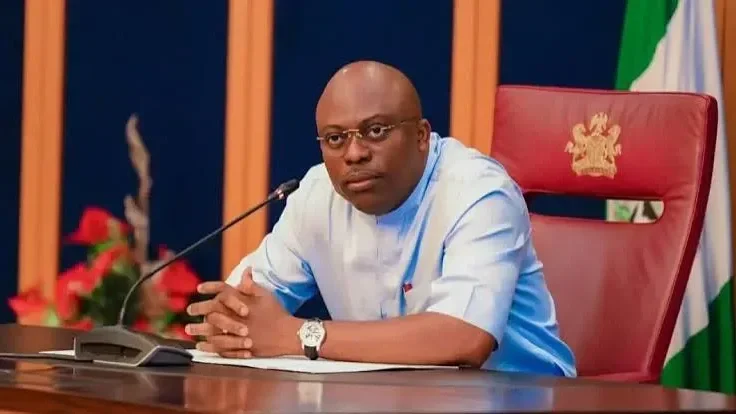
Rivers State Governor Siminalayi Fubara has presented a ₦1.854 trillion Appropriation Bill for the 2026 fiscal year to the Rivers State House of Assembly, proposing a spending plan centred on infrastructure expansion, economic growth and improved public services. Tagged the "Budget of Resilience for Growth and Development," the proposal allocates more than three-quarters of total expenditure to capital projects, underscoring the administration's focus on accelerating development across the state.
/ You Might Also Like /




The proposed budget represents a 24.49% increase over the adjusted 2025 budget and is expected to be financed through internally generated revenue (IGR), Federation Account Allocation Committee (FAAC) allocations, derivation funds, grants, loans, asset sales and other capital receipts.
Capital Projects Receive Largest Share
A major highlight of the proposed budget is its strong emphasis on capital expenditure. Governor Fubara earmarked ₦1.405 trillion for capital projects, while ₦413.11 billion was allocated to recurrent expenditure. The capital allocation reflects the state's intention to sustain investment in infrastructure, public facilities and economic development initiatives.
According to the governor, the budget is designed to consolidate ongoing development programmes while improving residents' welfare through strategic investments in critical sectors.
Infrastructure Tops Sectoral Allocations
The Works and Infrastructure sector received the highest allocation, with ₦533.32 billion proposed for road construction, rehabilitation and other infrastructure projects. Education follows with ₦315 billion, while the healthcare sector is allocated ₦105.43 billion to strengthen service delivery and improve public health facilities.
Other notable allocations include:
₦41.44 billion for the Rivers State House of Assembly.
₦30 billion for the Judiciary.
₦19.26 billion for Agriculture.
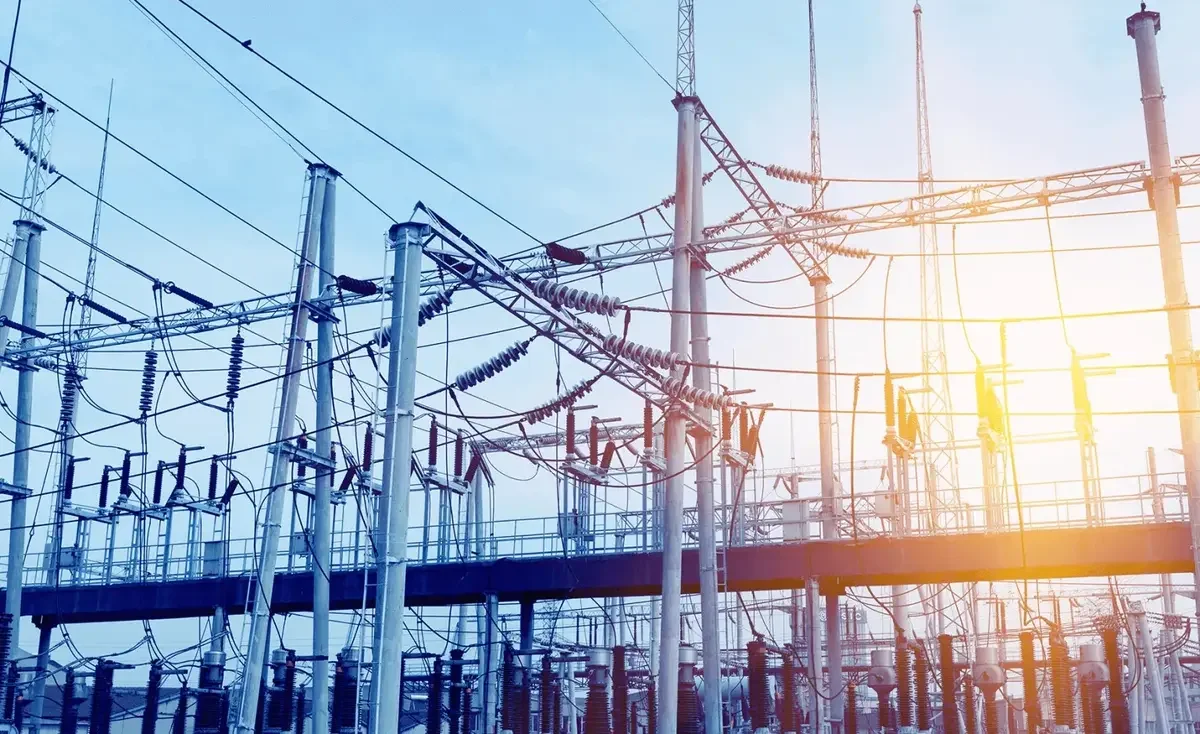
₦15 billion for Power.
₦8.5 billion for Chieftaincy and Community Development.
₦7.98 billion for Sports.
₦7 billion for Youth Development.
₦6.61 billion for Environment and Sustainable Development.
₦6.5 billion for Women Affairs.
The proposed allocations reflect the government's effort to balance infrastructure investment with social and institutional development.
Revenue Projections
Governor Fubara projected total revenue of ₦1.854 trillion, comprising:
₦487.61 billion from internally generated revenue.
₦936.05 billion from FAAC allocations, derivation revenue, Value Added Tax (VAT) and exchange gains.
₦382.48 billion from capital receipts, including grants, loans and asset sales.
The governor said the projections are based on anticipated improvements in government revenues and prudent fiscal management.
Focus on Infrastructure and Economic Development
Presenting the budget before lawmakers, Fubara said the proposal builds on the administration's achievements despite recent governance challenges. He noted that the spending plan prioritises the completion of ongoing road projects, new infrastructure investments, improved education and healthcare services, job creation and expanded economic opportunities.
He also proposed a 50% increase in overhead allocations for Ministries, Departments and Agencies (MDAs) to improve operational efficiency following the budget's passage into law. Additionally, the proposal includes provisions for personnel costs, pensions, gratuities, recruitment and debt servicing.
Implications for Housing and Urban Development
For the housing and construction sector, the substantial allocation to works and infrastructure signals continued investment in enabling infrastructure that supports residential, commercial and industrial development. Improved road networks, public utilities and supporting infrastructure are expected to enhance land accessibility, stimulate private-sector investment and encourage real estate growth across Rivers State.
Infrastructure spending also has broader implications for housing delivery, as improved connectivity and public services can increase the viability of new residential developments and urban expansion.
Outlook
The proposed ₦1.854 trillion budget reinforces Rivers State's commitment to infrastructure-led development, with capital expenditure accounting for the largest share of planned spending. If approved and effectively implemented, the budget could strengthen the state's transport network, improve public services and create an enabling environment for investment, housing development and long-term economic growth. As the appropriation bill moves through the legislative process, stakeholders will closely monitor its implementation and the delivery of key infrastructure projects.
READ MORE