REDAN Warns Cement Price Surge Could Deepen Nigeria’s Housing Crisis
Soaring Cement Prices Increase Pressure on Nigeria’s Real Estate Sector
Nigeria’s affordable housing sector is facing mounting pressure as rapidly rising cement prices continue to increase construction costs nationwide, prompting fresh concerns from the Real Estate Developers Association of Nigeria (REDAN) over the future of housing delivery and homeownership accessibility.
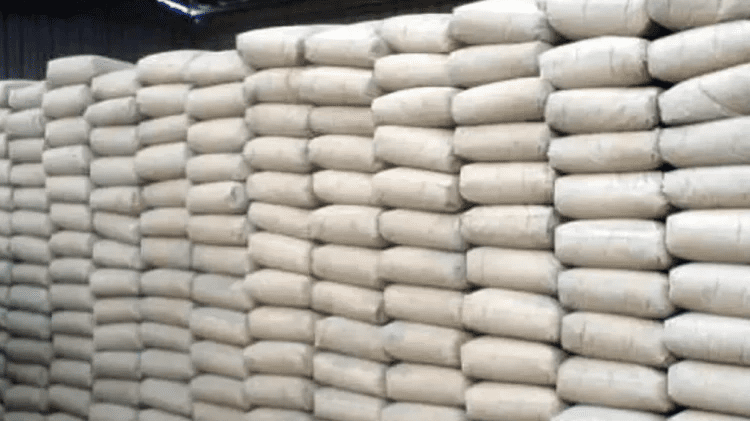
REDAN warned that the escalating cost of cement, now reaching between ₦11,500 and ₦15,000 per 50kg bag in several parts of the country, is already disrupting housing projects, increasing financial strain on developers, and worsening affordability challenges across the real estate sector.
/ You Might Also Like /




The association urged the Federal Government and stakeholders within the building materials value chain to intervene urgently to stabilise prices and protect ongoing housing development efforts.
Cement Prices Surge Above ₦15,000
According to REDAN President and Chairman of Council, Oba Akintoye Adeoye, cement prices have risen sharply within a relatively short period, placing severe pressure on developers and investors operating within Nigeria’s housing market.
Industry data cited by REDAN showed that a 50kg bag of cement sold for approximately ₦7,500 during the final quarter of 2025 before increasing to between ₦9,000 and ₦10,000 in early 2026. Prices have since climbed further to between ₦11,500 and ₦15,000 across several states.
The association described the rapid increase as unsustainable for developers already grappling with inflation, exchange-rate volatility, and rising operational expenses.
Cement remains one of the most critical inputs within residential and commercial construction projects, accounting for a substantial share of total development costs. As a result, any major increase in cement prices significantly affects the overall cost structure of housing delivery.
Developers Facing Delays and Project Suspension
REDAN stated that the rising cost of cement, alongside increases in iron rods, sharp sand, granite, and wood, has intensified financial pressure on developers nationwide.
According to the association, several developers have already slowed construction timelines, scaled down projects, or suspended developments entirely due to rising input costs.
Industry analysts note that many affordable housing projects operate on relatively thin profit margins, making them particularly vulnerable to sudden increases in construction expenses.
REDAN warned that prolonged price instability could further discourage private-sector investment within Nigeria’s housing sector at a time when the country faces an estimated housing deficit exceeding 28 million units.
Housing experts argue that higher construction costs ultimately translate into increased property prices and rents, placing additional pressure on households already struggling with inflation and declining purchasing power.
Construction Sector Under Growing Pressure
Stakeholders within the construction industry have increasingly expressed concern over broader cost escalation across Nigeria’s building materials market.
Professor Timothy Nubi of the Centre for Housing and Sustainable Development at the University of Lagos stated that cement prices have risen by more than 30% in recent months, while steel prices increased by about 20% and sharp sand prices by roughly 25%.
According to industry experts, the increases are being driven by a combination of global market pressures, logistics challenges, exchange-rate instability, transportation costs, and rising domestic demand for construction materials.
Analysts note that the construction sector remains one of Nigeria’s largest contributors to employment generation, infrastructure expansion, and economic activity. Sustained disruption within the sector could therefore carry broader economic implications beyond housing delivery alone.
Rising Construction Costs Affect Rental Markets
The impact of rising building material costs is increasingly visible within Nigeria’s rental and property markets.
Stakeholders noted that annual rents for self-contained apartments in Lagos and Abuja have risen substantially, increasing from approximately ₦400,000 previously to between ₦800,000 and ₦1.5 million in several locations.
Similar rental increases are being reported in Port Harcourt, Kano, and other urban centres experiencing growing housing demand and limited supply.
Economists note that rising construction costs typically feed directly into housing prices because developers transfer portions of increased production expenses to end users.
The affordability gap has become increasingly pronounced for low-income and middle-income households, many of whom already face difficulties accessing mortgage financing and formal housing opportunities.
Concerns Over Building Safety and Standards
REDAN also warned that persistent increases in building material prices could create safety risks within the construction industry.
The association cautioned that some developers or contractors may resort to substandard materials or unsafe construction practices in attempts to reduce costs and sustain projects.
Construction professionals have repeatedly linked the use of inferior materials and weak regulatory enforcement to rising concerns over structural failures and building collapses in parts of Nigeria.
Experts argue that maintaining affordability should not compromise structural integrity, safety standards, or long-term sustainability within the housing sector.
Calls for Government Intervention
REDAN called on the Federal Government, particularly the Federal Ministry of Housing and Urban Development, to engage cement manufacturers and industry stakeholders to address current market volatility.
Stakeholders recommended policy measures aimed at supporting local production, improving logistics infrastructure, reducing transportation bottlenecks, and increasing transparency within the building materials market.
Industry experts have also encouraged increased investment in alternative building technologies and locally sourced construction materials capable of reducing dependence on cement-intensive building methods.
Some analysts argue that broader reforms involving taxation, energy costs, infrastructure efficiency, and foreign exchange management may also be necessary to stabilise construction costs over the long term.
Implications for Nigeria’s Housing Sector
The continued rise in cement prices highlights broader structural challenges affecting Nigeria’s housing and construction sectors.
With building materials inflation accelerating and financing costs remaining elevated, developers face growing difficulty delivering affordable housing projects at scale.
Analysts warn that unless pricing pressures moderate, Nigeria’s housing deficit could widen further while homeownership becomes increasingly inaccessible for millions of households.
The situation also reinforces the importance of coordinated collaboration between government agencies, manufacturers, developers, financiers, and infrastructure operators to improve housing supply and maintain construction sector stability.
As urbanisation continues to expand across Nigeria, stakeholders say stabilising building material prices will remain critical to supporting affordable housing delivery, infrastructure growth, and long-term economic development.
READ MORE