Tinubu's Economic Reforms Split Experts as Nigerians Continue to Face High Living Costs
Rising Living Costs Keep Debate Over Tinubu's Economic Policies Alive
President Bola Tinubu's economic reform programme is attracting mixed assessments from economists and policy analysts as improvements in key macroeconomic indicators continue to contrast with persistent pressure on household incomes and the cost of living.
/ You Might Also Like /



More than three years into the administration's reform agenda, supporters argue that measures such as fuel subsidy removal, foreign exchange reforms and fiscal restructuring have strengthened investor confidence and laid the foundation for long-term economic growth. Critics, however, contend that many Nigerians have yet to experience the benefits, with inflation, high transportation costs and reduced purchasing power continuing to weigh on households.
Experts Differ on Reform Outcomes
Analysts supporting the reforms point to improvements in foreign exchange market stability, stronger investor sentiment, increased external reserves and renewed confidence from international financial institutions as evidence that the economy is gradually stabilising.
Others argue that while these indicators are encouraging, they have not yet translated into meaningful improvements in household welfare. They note that many families continue to struggle with high food prices, transport costs and the rising cost of essential goods, making the benefits of the reforms less visible to ordinary citizens.
Cost of Living Remains a Major Concern
Although inflationary pressures have moderated from previous peaks, living costs remain elevated across much of the country.
The removal of fuel subsidies and exchange rate liberalisation significantly increased transportation, energy and production costs, which continue to affect household spending and business operations. Government officials have acknowledged that much of the fiscal savings from the reforms has been absorbed by higher debt-servicing obligations and increased public expenditure.
Implications for Housing and Real Estate
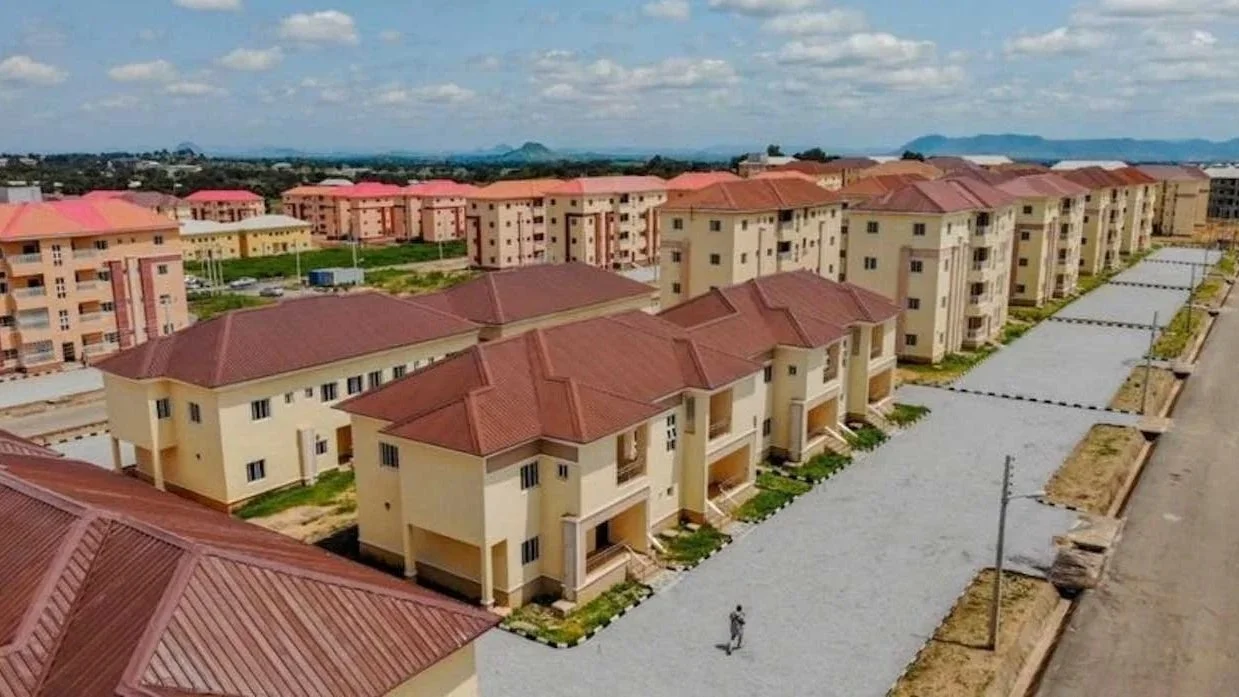
The debate over economic reforms has direct implications for Nigeria's housing market.
Higher construction costs, elevated lending rates and weaker household purchasing power have slowed housing affordability and private residential development in many parts of the country. Developers continue to contend with increased prices for imported building materials, logistics and financing, while prospective homebuyers face tighter access to mortgage credit.
However, improved macroeconomic stability could gradually strengthen investor confidence, encourage infrastructure investment and support long-term growth in the housing and real estate sectors if inflation and borrowing costs continue to moderate.
Why It Matters
The success of Nigeria's housing sector depends not only on housing policies but also on broader macroeconomic conditions.
Stable exchange rates, lower inflation and improved fiscal management can reduce construction costs, attract investment and improve access to long-term finance. At the same time, sustained improvements in household incomes remain essential for expanding homeownership and stimulating demand for residential property.
Outlook
While recent economic indicators suggest progress in stabilising the economy, the pace at which these gains translate into lower living costs will remain a key measure of the reforms' success. For the housing sector, continued macroeconomic stability, declining inflation and improved access to finance will be critical to supporting affordable housing delivery, real estate investment and sustainable urban development.
READ MORE