Adeboye, Falana Renew Calls for Affordable Housing as Nigeria's Housing Crisis Deepens

Stakeholders Renew Demand for Affordable Housing Amid Rising Cost of Living
Pastor Enoch Adeboye, General Overseer of the Redeemed Christian Church of God (RCCG), and Senior Advocate of Nigeria (SAN) Femi Falana have renewed calls for affordable housing, urging governments at all levels to intensify efforts to provide decent and accessible homes for millions of Nigerians.
/ You Might Also Like /


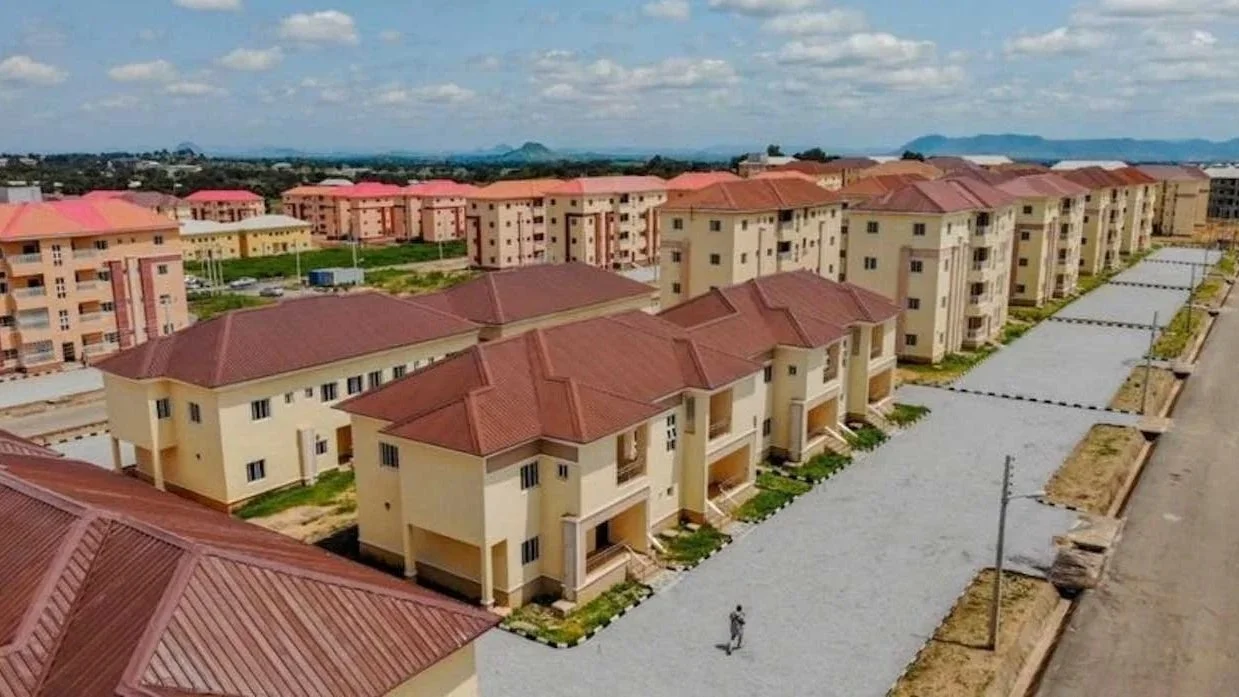

Their separate interventions come amid growing concerns over Nigeria's housing deficit, rising construction costs and worsening affordability challenges, which continue to limit access to homeownership for low- and middle-income households.
Housing Should Be a National Priority
Adeboye stressed the importance of providing affordable homes as part of broader efforts to improve citizens' welfare and living standards, while encouraging stronger collaboration between government and the private sector to expand housing delivery.
Falana argued that housing should be treated as a fundamental social welfare issue rather than being viewed solely as a commercial activity. He urged organised labour to push for the effective implementation of existing housing laws and programmes designed to make homeownership more accessible to Nigerian workers.
Falana Calls for Enforcement of Housing Laws
Speaking at a symposium in Abuja, Falana said labour unions should broaden their advocacy beyond minimum wage negotiations by demanding the enforcement of social welfare legislation, including the National Housing Act.
According to him, millions of Nigerians remain without decent accommodation despite workers' contributions to the National Housing Fund. He argued that proper implementation of existing housing programmes would improve workers' welfare and expand access to affordable homes.
Addressing Nigeria's Housing Deficit
Nigeria continues to face one of Africa's largest housing shortages, driven by rapid urbanisation, rising building material costs, limited mortgage access and inadequate infrastructure.
Industry stakeholders have repeatedly called for reforms that improve access to land, expand housing finance, reduce construction costs and encourage greater private-sector investment in affordable housing developments.
Implications for Housing and Real Estate
The renewed advocacy from influential national figures reinforces growing pressure on policymakers to prioritise affordable housing within Nigeria's development agenda.
Greater investment in social housing, improved mortgage accessibility, effective implementation of the National Housing Fund and stronger public-private partnerships could stimulate residential construction while improving homeownership opportunities for low- and middle-income earners.
For developers, clearer housing policies and more effective financing mechanisms would help expand demand and support sustainable growth in the residential property market.
Why It Matters
Housing affordability remains one of Nigeria's most pressing development challenges. Beyond providing shelter, access to decent housing supports economic productivity, public health and social stability.
Calls from respected national figures such as Adeboye and Falana are likely to strengthen public debate around housing reform and increase pressure for practical policy measures that address the country's widening housing deficit.
Outlook
As housing affordability continues to dominate national discussions, stakeholders are expected to intensify calls for reforms that strengthen housing finance, improve land administration and accelerate affordable housing delivery. Sustained collaboration between government, developers, financial institutions and civil society will be essential to narrowing Nigeria's housing gap and expanding access to decent homes.
READ MORE