Energy Expert Urges NNPCL to Restart Refineries as Petrol Reaches ₦1,500/Litre

Rising Crude Prices Drive Petrol to ₦1,500
Energy scholar and industry expert Dr. Joseph Obele has called on the Federal Government and the Nigerian National Petroleum Company Limited (NNPCL) to urgently resume operations across government-owned refineries to mitigate escalating pump prices.
The intervention comes as retail Premium Motor Spirit (PMS) prices approach ₦1,500 per litre across filling stations nationwide, driven by sustained rallies in global crude oil prices and heightened Middle Eastern supply risks.
/ You Might Also Like /



Macroeconomic Drivers Behind Fuel Inflation
Pump prices have surged in domestic retail outlets following international crude oil price movements above $100 per barrel. Key factors exacerbating the downstream pressure include:
International Supply Tensions: Sustained market friction involving the United States and Iran, combined with transit risks near the Strait of Hormuz, has elevated global refined product benchmark costs.
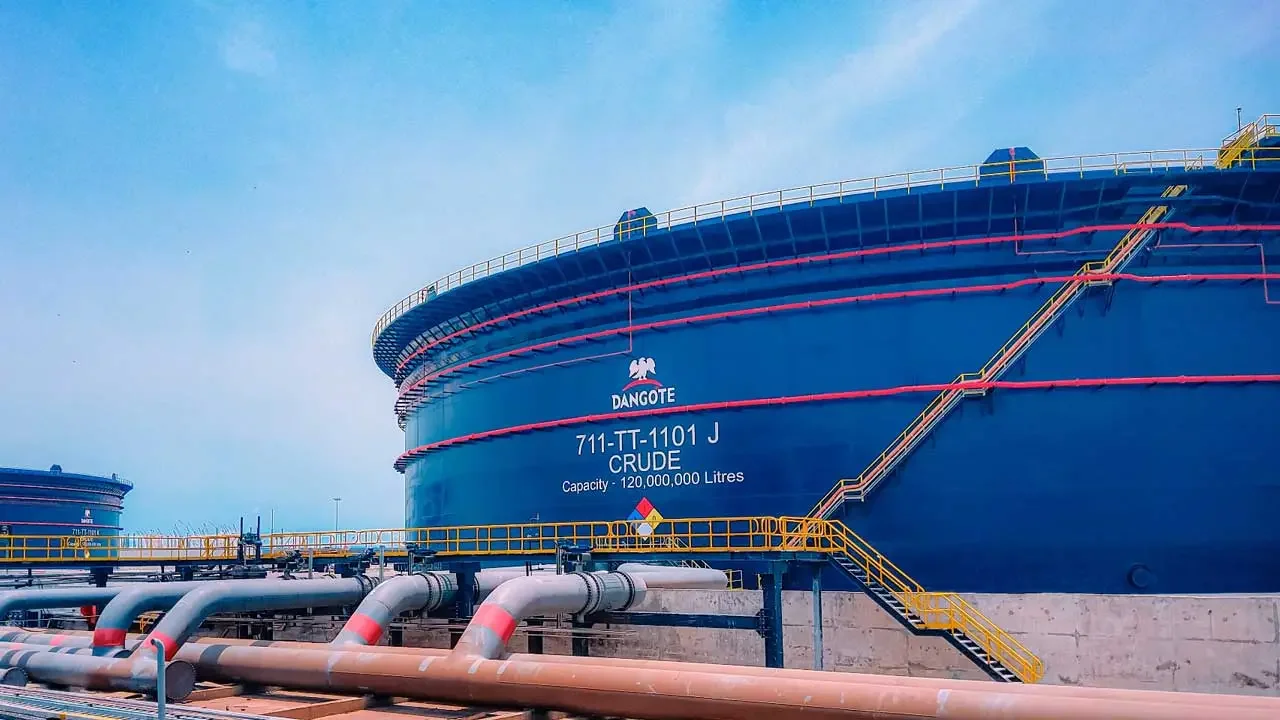
Refinery Ex-Depot Adjustments: Ex-gantry pricing adjustments at major domestic facilities such as Dangote Petroleum Refinery raising ex-depot rates from ₦1,265 to ₦1,350 per litre have trickled down to retail filling stations, where fuel now trades between ₦1,350 and ₦1,400 per litre in hubs like Lagos and Abuja, and higher in regional locations.
Operational Overhead: Widespread dependence on petrol and diesel generators across local manufacturing and services sector firms continues to drive up overall production and distribution expenses.
Core Proposal: Restoring Domestic Refining Capacity
Dr. Obele emphasized that relying strictly on imported petroleum or single-facility domestic supply leaves the Nigerian economy vulnerable to external supply shocks and market concentration risks.
To establish price stability and insulate households from further inflationary strain, Obele outlined several priority steps:
Immediate Restart of Government Refineries: Priority focus should be directed at resuming production at the Area 5 Plant of the Port Harcourt Refinery as well as the Warri Refinery complex.
Multi-Supplier Competition: Expanding operational domestic refining capacity creates multiple supply nodes, fostering healthy competition and offering a natural check against price volatility.
Preserving Supply Chains & Local Employment: Reactivating state assets helps reactivate dormant value chains involving local contractors, marketers, logistics firms, and service personnel.
Lifecycle Value vs. Direct Costs: Investing in state asset rehabilitation delivers economic benefits over time by lowering foreign exchange expenditures on finished products and buffering transport and commodity price spikes.
Strategic Importance and Broader Implications
Beyond immediate market stabilization, Obele highlighted that demonstrating tangible progress at key state assets prior to upcoming political cycles provides a measurable indicator of public sector performance in energy security.
With rising energy costs putting additional pressure on household budgets, transportation fares, and consumer basket prices, industry observers agree that expanding total operational refining capacity remains the most durable mechanism for achieving downstream price moderation and safeguarding broader macroeconomic stability.
READ MORE