Federal Government Begins Review of Tax Laws and Fiscal Policies
Federal Government Targets Investment Barriers and Tax Ambiguities in New Policy Review
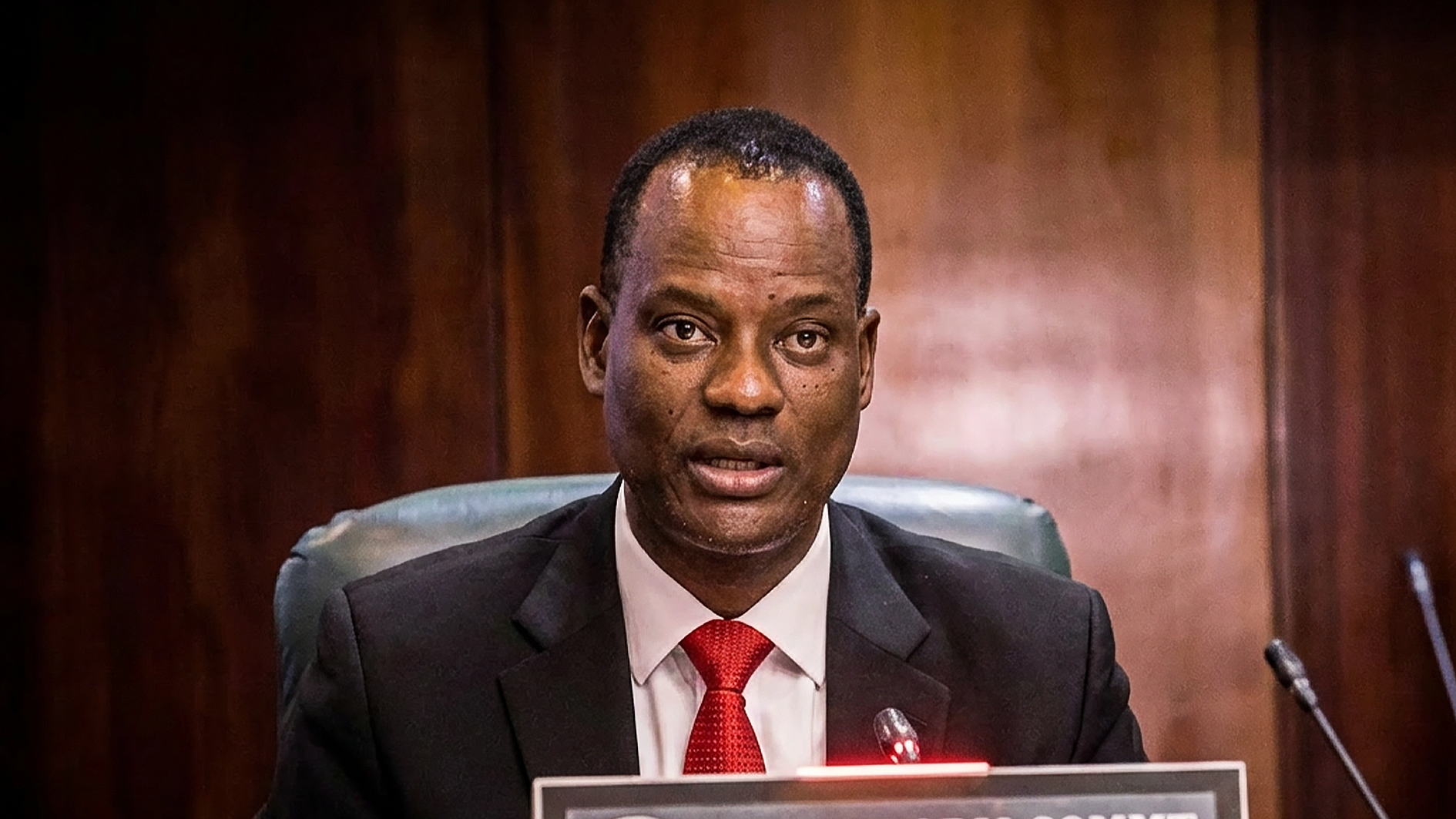
The Federal Government has commenced a fresh review of Nigeria tax laws and fiscal policies, inaugurating a Technical Subcommittee on Fiscal Policy and Tax Reforms to address operational ambiguities, streamline compliance, and lay the groundwork for the Finance Bill 2027.
/ You Might Also Like /




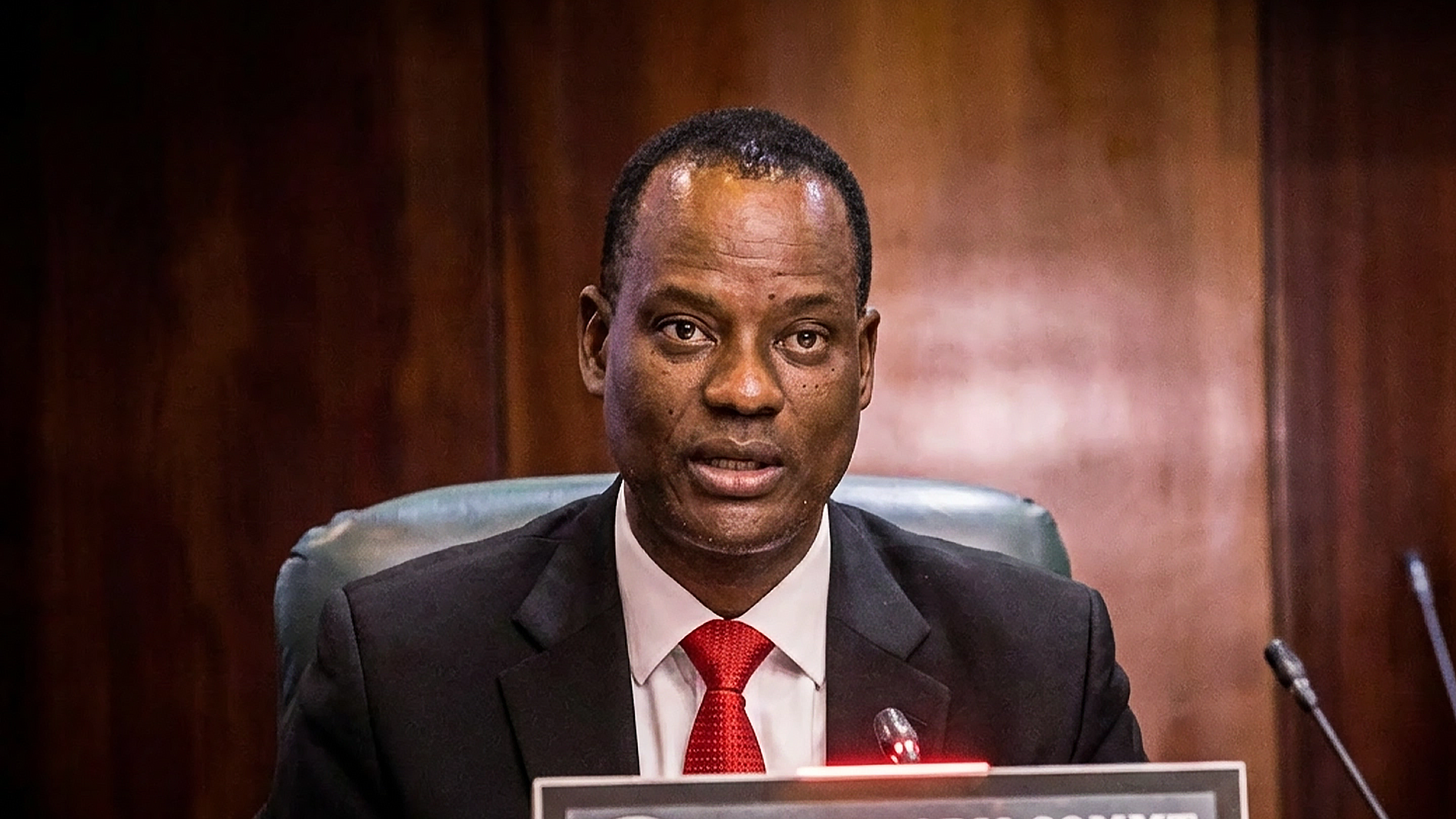
Inaugurated in Abuja by the Minister of Finance and Coordinating Minister of the Economy, Taiwo Oyedele, the technical subcommittee was given a six-week mandate to evaluate the practical performance of existing tax legislation and submit strategic recommendations to the government.
The review builds upon the primary tax reform package enacted in 2025, which introduced the Nigeria Tax Act, the Nigeria Tax Administration Act, the Nigeria Revenue Service Establishment Act, and the Joint Revenue Board Establishment Act, all of which became fully operational on January 1, 2026.
Objectives and Scope of the Fiscal Review
Addressing committee members during the inauguration, Oyedele stated that the fresh exercise is not intended to overturn the structural legislation established in 2025, but rather to preserve its foundational principles while adapting to lessons learned during administrative execution. He highlighted that effective fiscal reform requires continuous adaptation as statutory provisions interact with commercial activities.
The mandate of the committee is directly informed by a nationwide Call for Inputs, which yielded 134 formal submissions across all six geopolitical zones. Stakeholders raised concerns regarding operational friction points, including the lack of clarity surrounding Value Added Tax thresholds, withholding tax deductions, capital gains tax assessments, and the persistent challenge of multiple taxation imposed by overlapping sub-national revenue jurisdictions.
Public and private sector submissions also emphasized the necessity for accelerated taxpayer refunds, stronger administrative protections for small and medium enterprises, and integrated digital platforms to eliminate duplicate data submissions across government agencies.
Directives for Specific Regulatory Frameworks
To reduce the administrative compliance burden on corporate entities, the minister directed the subcommittee to execute targeted technical reviews across two main regulatory instruments:
Withholding Tax Framework: The subcommittee will evaluate the Deduction of Tax at Source Regulations 2024 against primary tax legislation to formulate updated Withholding Tax Regulations. Oyedele noted that withholding tax must function strictly as an advance compliance mechanism rather than an additional tax on working capital or an added expense for operating businesses.
Digital Economy Taxation: The committee was tasked with reviewing the Companies Income Tax Significant Economic Presence Order 2020. The mandate aims to establish an updated legal framework that safeguards Nigeria sovereign taxing rights over multinational digital commerce while maintaining market competitiveness for cross-border technology investments.
The technical subcommittee convenes representatives from the Ministry of Finance, Ministry of Justice, Nigeria Revenue Service, Joint Revenue Board, Nigeria Customs Service, Small and Medium Enterprises Development Agency of Nigeria, organized private sector associations, and professional accounting bodies.
Conclusion and Legislative Timeline
The inauguration of the technical subcommittee reflects a deliberate transition from macro-level tax architecture restructuring toward operational refinement within Nigeria fiscal policy framework. By establishing targeted regulatory reviews and incorporating practical marketplace feedback, the administration seeks to enhance commercial predictability and lower compliance barriers for domestic and international investors.
The overall effectiveness of this intervention will depend on how successfully the subcommittee translates the 134 public submissions into concrete amendments within the draft Finance Bill 2027. As the six-week reporting deadline approaches, investors and corporate administrators will monitor the committee output for statutory measures capable of reducing administrative overhead and fostering business expansion.
READ MORE