Tinubu Backs Cardoso’s Banking Reforms, Recapitalisation Drive

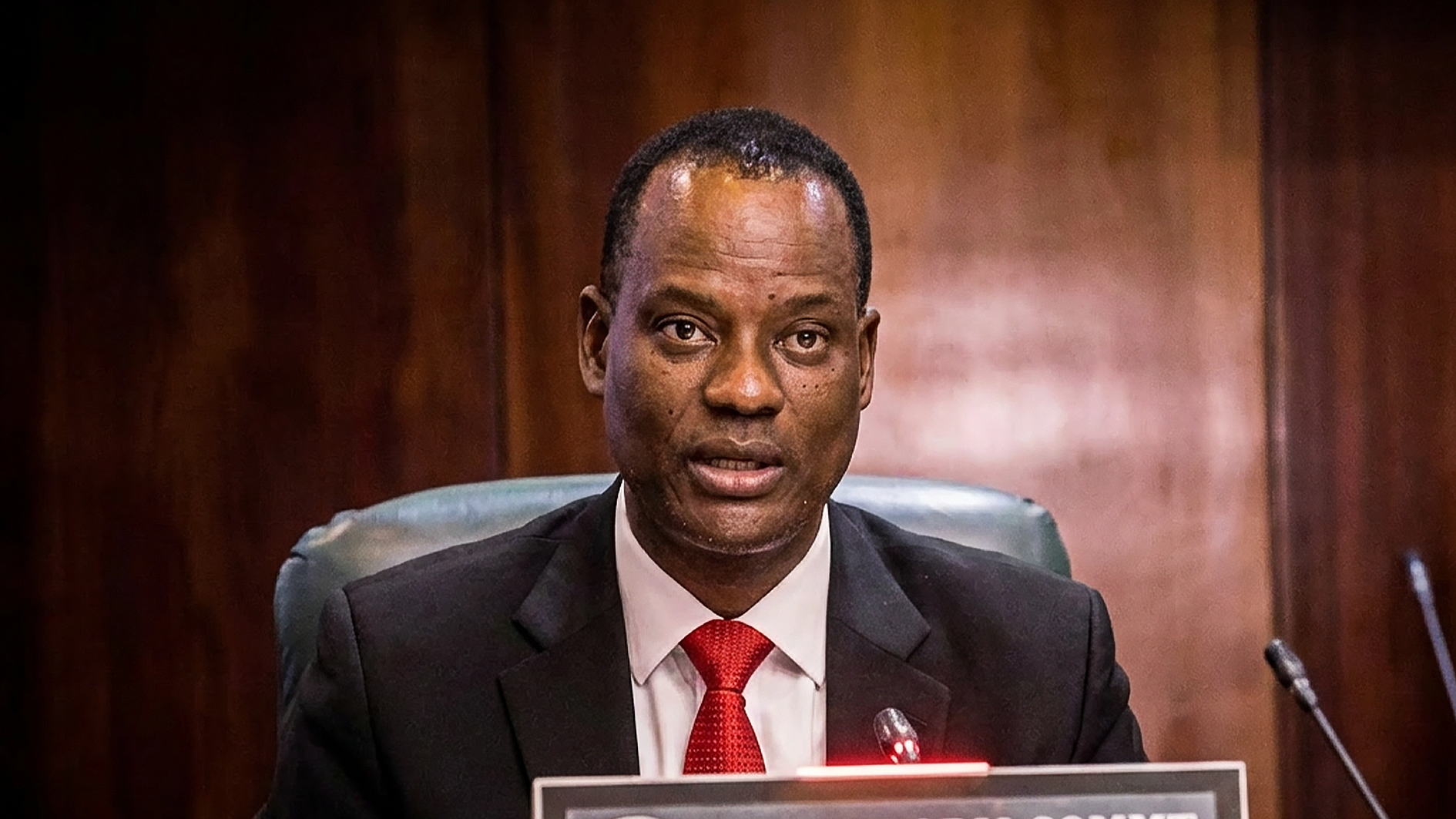
Olayemi Cardoso
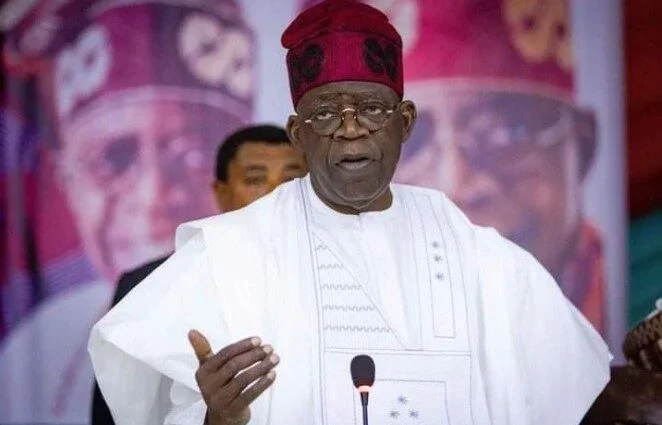
President Bola Ahmed Tinubu has commended the ongoing banking sector reforms led by Olayemi Cardoso, particularly the recapitalisation initiative aimed at strengthening Nigeria’s financial system. The endorsement signals strong executive support for policies designed to enhance banking resilience, stability, and capacity for economic growth.
/ You Might Also Like /




Presidential Endorsement of Reform Agenda
President Tinubu praised the Central Bank of Nigeria’s reform programme, noting that the recapitalisation of banks is critical to aligning the financial sector with Nigeria’s long-term economic ambitions. He emphasised that a well-capitalised banking system is essential for supporting large-scale investments, infrastructure financing, and private sector expansion.
The administration views the reforms as part of a broader strategy to stabilise the economy and improve investor confidence.
Recapitalisation as a Strategic Imperative
The recapitalisation policy requires Nigerian banks to increase their capital base to meet new regulatory thresholds set by the Central Bank of Nigeria. The move is intended to strengthen balance sheets, improve risk absorption capacity, and position banks to finance major economic projects.
Analysts note that the policy reflects lessons from previous banking cycles, where undercapitalisation exposed institutions to systemic risks during periods of economic stress.
Strengthening Financial System Stability
Under Cardoso’s leadership, the Central Bank has prioritised reforms aimed at restoring credibility, improving transparency, and reinforcing regulatory oversight. These measures are expected to enhance financial system stability and ensure that banks operate within prudent risk management frameworks.
A stronger banking sector is also seen as critical to attracting both domestic and foreign investment, particularly in capital-intensive sectors such as infrastructure, manufacturing, and energy.
Implications for the Economy
The recapitalisation drive is expected to have far-reaching implications for Nigeria’s economy. Larger capital bases will enable banks to support bigger transactions, provide long-term financing, and deepen credit availability across key sectors.
However, the process may also lead to consolidation within the banking industry, as smaller institutions seek mergers or acquisitions to meet new capital requirements.
Investor Confidence and Market Outlook
Tinubu’s endorsement sends a positive signal to investors, reinforcing confidence in Nigeria’s financial sector reforms. Policy clarity and regulatory consistency are critical factors influencing investment decisions, particularly in emerging markets.
Market participants are expected to monitor the implementation of recapitalisation closely, including timelines, compliance levels, and potential impacts on banking operations.
President Tinubu’s backing of Cardoso’s reforms underscores the importance of a strong and resilient banking system in Nigeria’s economic strategy. As recapitalisation progresses, its success will depend on effective implementation, regulatory oversight, and the ability of banks to adapt to evolving financial requirements.
For policymakers and investors, the reforms represent a critical step toward building a more robust financial system capable of supporting sustainable economic growth.
READ MORE