Tinubu Requests Senate Approval for ₦9tn Budget Expansion
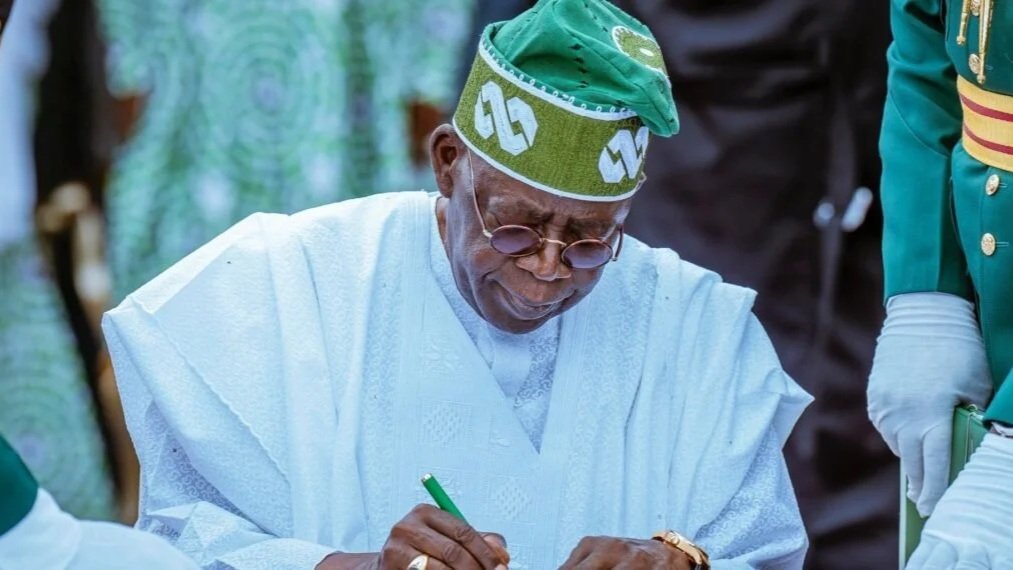
Tinubu Proposes Major Budget Increase to Fund Priority Projects
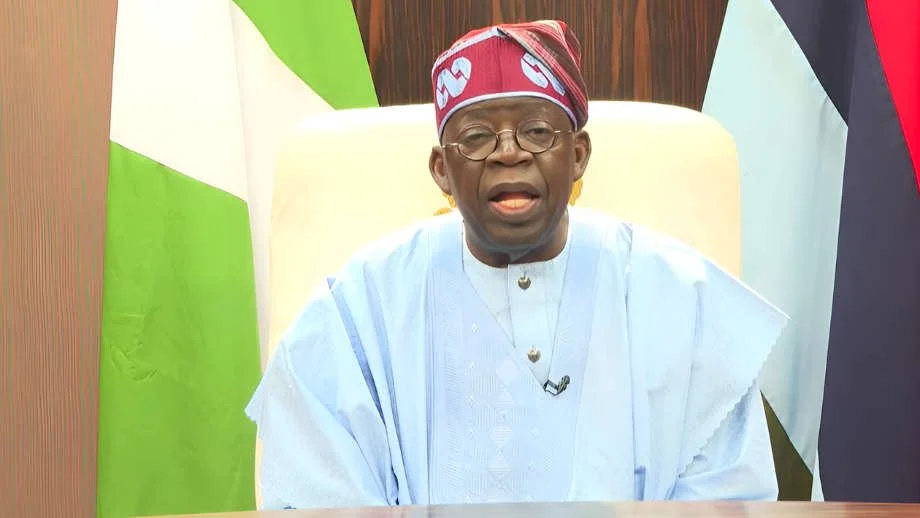
President Bola Ahmed Tinubu has formally requested Senate approval to increase Nigeria’s 2026 budget by ₦9 trillion, raising the proposed appropriation from ₦58.4 trillion to approximately ₦67.4 trillion. The request, conveyed in a letter to the National Assembly, aims to address legacy fiscal obligations, fund priority projects, and maintain macroeconomic stability.
/ You Might Also Like /




Rationale Behind the Budget Increase
According to the President, the proposed upward revision is driven by three core objectives. First, the government intends to regularise outstanding commitments from previous budget cycles to prevent them from distorting the 2026 fiscal framework.
Second, the adjustment seeks to consolidate existing government debt and obligations within a more transparent fiscal structure. This approach is designed to provide a clearer accounting of public finances and improve budget credibility.
Third, the additional funding will support a limited number of strategic and priority projects across key sectors, ensuring continuity in infrastructure and development programmes.
Fiscal Strategy and Macroeconomic Considerations
The Presidency emphasised that the proposed increase aligns with broader fiscal objectives, including preserving macroeconomic stability and reducing pressure on domestic financial markets.
The revised financing plan is structured to accommodate higher expenditure without significantly disrupting economic balance. It also reflects efforts to align budget execution with realistic fiscal conditions, including revenue performance and existing liabilities.
Notably, the original 2026 budget framework already projected a deficit of approximately ₦23.85 trillion, highlighting the scale of Nigeria’s fiscal challenges.
Legislative Process and Next Steps
Following the submission, the Senate President, Godswill Akpabio, read the President’s letter during plenary and referred the proposal to the Senate Committee on Appropriations for detailed review.
The committee is expected to evaluate the implications of the increase, including its impact on fiscal sustainability, debt levels, and funding priorities, before presenting recommendations to the full Senate.
Subsequent legislative approval will determine whether the revised budget size is adopted as the final appropriation for the 2026 fiscal year.
Broader Economic Context
The proposed increase comes amid ongoing economic reforms and evolving fiscal pressures. Nigeria continues to navigate challenges including revenue constraints, debt servicing obligations, and the need for sustained investment in infrastructure and social sectors.
The adjustment also reflects a broader trend of budget expansions in recent years, driven by inflationary pressures, exchange rate dynamics, and the need to address inherited fiscal liabilities.
For investors and policymakers, the revised budget signals a continued emphasis on fiscal consolidation alongside targeted spending to support economic growth.
President Tinubu’s request to increase the 2026 budget by ₦9 trillion underscores the government’s effort to reconcile legacy obligations with current development priorities. While the proposal aims to enhance fiscal transparency and programme execution, its approval will hinge on legislative scrutiny and the broader implications for Nigeria’s debt profile and macroeconomic stability. Stakeholders will closely monitor the outcome as it shapes the country’s fiscal trajectory for 2026 and beyond.
READ MORE