Wage Increases Erode Fuel Subsidy Savings as FG Spends ₦9.39tn on Workers
Subsidy Reforms Generate ₦15.8tn as Wage Costs Rise to ₦9.39tn
The Federal Government says salary increases, minimum wage adjustments and wage awards introduced after the removal of petrol subsidy have significantly reduced the fiscal savings from the reform.
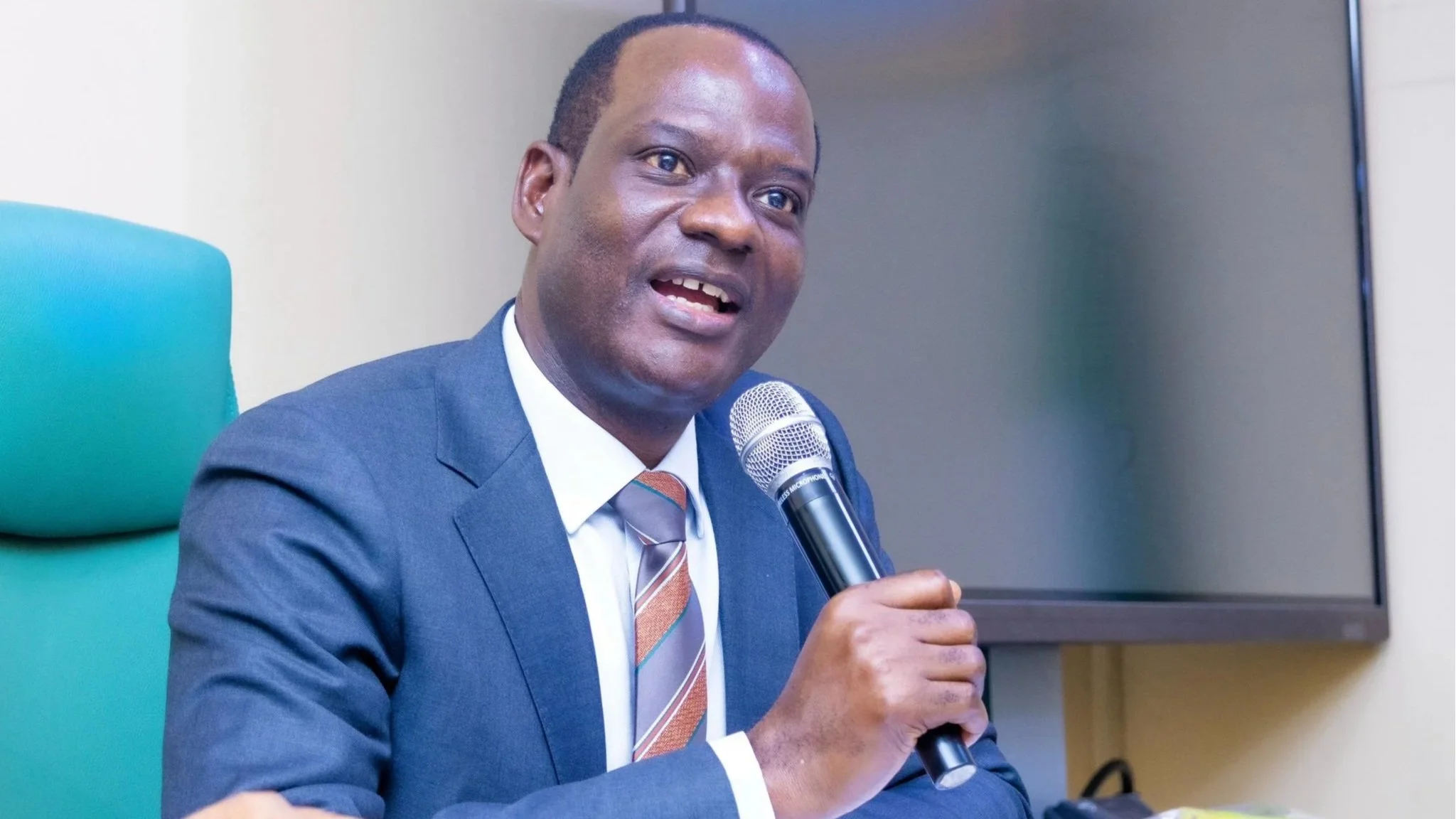
Minister of Finance and Coordinating Minister of the Economy Taiwo Oyedele disclosed this on Wednesday, 19 August 2026, while presenting the government's scorecard on the economic reforms introduced since 2023. He said the reforms generated ₦15.8 trillion in additional resources for the Federation between June 2023 and December 2025.
/ You Might Also Like /




However, the government spent ₦9.39 trillion on wage adjustments, minimum wage increases and allowances for public servants during the same period.
Subsidy reforms generated ₦15.8tn
According to Oyedele, the Federal Government's share of the ₦15.8 trillion in additional resources generated from subsidy removal and related reforms amounted to ₦5.4 trillion.
The remaining ₦10.4 trillion went to state and local governments through Federation Account allocations.
The minister explained that the savings do not appear as a separate line item in Federation Account allocations because the financial gains were reflected through increased revenue collections following the reforms.
The figures therefore represent additional resources attributed to the combined effects of the petrol subsidy removal and foreign exchange reforms rather than a separate cash account holding unspent subsidy savings.
Wage adjustments absorbed ₦9.39tn
Oyedele said the Federal Government spent ₦9.39 trillion on wage adjustments, minimum wage increases and allowances for public servants during the period under review.
The spending formed part of the government's response to the higher cost of living that followed the reforms.
The minister acknowledged that the reforms increased living costs for Nigerians and said the government was not presenting the measures as painless.
The additional wage-related expenditure consequently absorbed a substantial portion of the resources generated through the reforms.
Government records ₦20.4tn in incremental resources
Beyond the subsidy-related gains, Oyedele said the Federal Government's incremental resources stood at ₦20.4 trillion between June 2023 and December 2025.
The figure comprised the government's share of Federation Account revenues, incremental independent revenue and additional borrowing.
The increase in available resources has allowed government to meet higher expenditure obligations, but the figures also demonstrate the competing demands on public finances.
Wage obligations, debt servicing, infrastructure and social interventions all compete for available fiscal resources.
Debt servicing takes another ₦9.37tn
The Federal Government also spent ₦9.37 trillion on external debt servicing during the period, according to the minister.
This means wage-related spending and external debt servicing together accounted for nearly ₦18.8 trillion of government expenditure over the period.
BusinessDay separately reported that higher wages and the rising naira cost of servicing external debt accounted for ₦18.76 trillion of the Federal Government's additional spending between June 2023 and December 2025.
The scale of these obligations highlights the pressure facing government as it attempts to direct more resources towards development spending.
₦6.5tn allocated to strategic infrastructure
Despite the competing expenditure pressures, Oyedele said the government spent ₦6.5 trillion on strategic infrastructure during the period.
Infrastructure investment remains important to the housing and property sectors because roads, electricity, water supply, drainage and other public infrastructure influence the cost and viability of development.
Improved infrastructure can also open new areas for residential and commercial development by improving connectivity and access to urban centres.
For the property sector, the effectiveness of this spending will depend not only on the amount allocated but also on the quality, location and completion of the projects financed.
Fiscal pressures remain significant
The government's explanation comes amid continuing debate over the economic impact of subsidy removal.
The removal of the petrol subsidy increased government revenues but also transferred more of the cost of fuel consumption to households and businesses.
The resulting increase in living and operating costs has placed pressure on household purchasing power and business margins.
For the construction and property sectors, higher transportation, energy and material costs can raise development expenses and ultimately influence housing prices and rents.
Government says reforms prevented deeper crisis
Oyedele argued that the reforms came with significant costs but prevented what he described as an even more severe economic crisis.
The government has previously argued that maintaining the old subsidy regime would have placed increasing pressure on public finances and could have created difficulties for states in meeting salary obligations.
The Sun reported separately that the Federal Government believes the reforms prevented a potential petrol price of ₦3,000 per litre and a salary crisis in at least 30 states.
These remain the government's counterfactual assessments of what could have happened without the reforms.
Government shifts focus towards welfare and investment
Oyedele said the government's next priority is to translate the gains from the reforms into improved welfare.
He identified expanded cash transfers, agricultural interventions and improved public spending as areas through which the government intends to deliver greater benefits to households.
For the economy, the challenge will be balancing these social commitments with infrastructure investment, debt obligations and the need to create conditions for private-sector growth.
Implications for housing and infrastructure
The allocation of ₦6.5 trillion to strategic infrastructure is particularly relevant to Nigeria's housing market.
Infrastructure deficits remain one of the factors that increase the cost of developing housing, particularly in areas where developers must provide roads, drainage, electricity or other services themselves.
Public investment in infrastructure can reduce these costs and make new locations more viable for residential development.
However, sustained housing affordability will also require progress on land access, construction costs, housing finance and household incomes.
Outlook
The government's latest scorecard shows the difficult fiscal trade-offs created by Nigeria's economic reforms.
While the government attributes ₦15.8 trillion in additional resources to subsidy removal and related reforms between June 2023 and December 2025, ₦9.39 trillion went towards wage adjustments, minimum wage increases and allowances, while ₦9.37 trillion was spent servicing external debt.
At the same time, ₦6.5 trillion went into strategic infrastructure.
For the housing and property sector, the critical issue going forward will be whether infrastructure spending and broader economic reforms can lower the cost of development, improve household purchasing power and create conditions for greater private investment in housing.
READ MORE