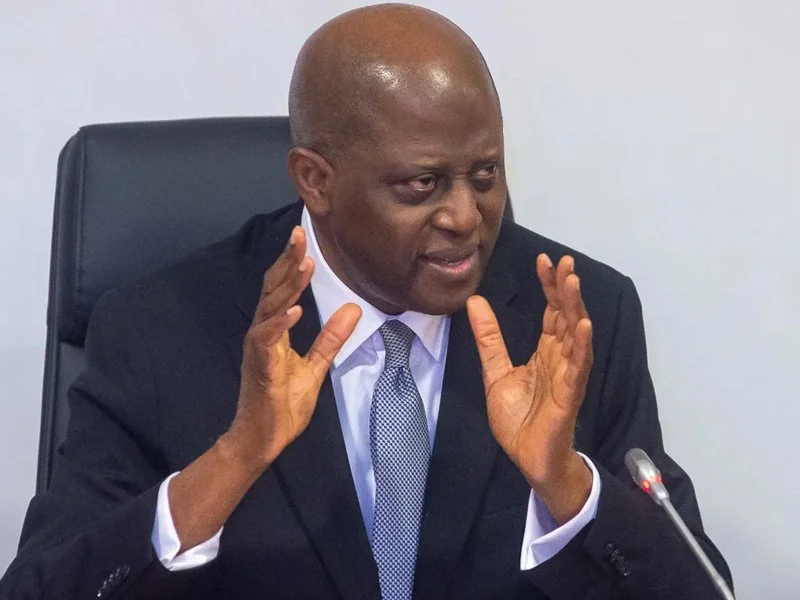
New Development Bank, India Explore Private Capital for BRICS Infrastructure
BRICS Countries Seek New Ways to Attract Private Capital for Infrastructure
ndia and the New Development Bank (NDB) have explored ways to attract more private capital into infrastructure and sustainable development projects across BRICS countries, as member states seek new sources of long-term financing.
/ You Might Also Like /




The discussions took place during a seminar on mobilising private capital in NDB member countries, organised alongside a meeting of BRICS finance ministers and central bank governors in India. Representatives of governments, financial institutions, businesses, academia and BRICS experts participated in the event.
NDB seeks greater private-sector participation
NDB President Dilma Rousseff said the bank is ready to strengthen its role as a financing partner for sustainable development, clean energy and smart infrastructure projects.
She identified private-capital mobilisation as a strategic priority for the development bank as BRICS economies seek to expand investment in infrastructure and other long-term development projects.
The approach reflects the growing need for development-finance institutions to work alongside private investors rather than relying solely on public resources to finance large infrastructure requirements.
India highlights role of development banks
India's Finance Minister and NDB Governor, Nirmala Sitharaman, said multilateral development banks can help make infrastructure projects more attractive to private investors.
According to Sitharaman, development banks can reduce investment risks, improve the attractiveness of projects and strengthen investor confidence.
She also stressed the importance of stable and predictable investment conditions and reliable long-term financing mechanisms to encourage greater private-sector participation.
Infrastructure financing remains a major challenge
Large infrastructure projects often require significant upfront capital and long repayment periods, creating risks that can discourage private investors.
Development banks can address some of these constraints by providing financing, guarantees and other forms of risk mitigation that make projects more attractive to institutional and private investors.
This can be particularly important in emerging markets, where infrastructure projects may face currency, regulatory, political and market risks.
Focus on sustainable infrastructure
The discussions also placed sustainable development and clean energy among the priority areas for investment.
The NDB said its activities align with India's BRICS Chairship priorities for 2026, which include resilience, innovation, cooperation and sustainable development.
For developing economies, attracting private capital into these areas could help accelerate infrastructure delivery while reducing the pressure on government budgets.
Implications for housing and urban infrastructure
Although the discussions covered infrastructure broadly, increased private-capital mobilisation could have implications for housing and urban development.
Housing projects often depend on supporting infrastructure such as roads, electricity, water supply, drainage and public transport. Limited infrastructure can increase development costs and make housing projects less viable, particularly in rapidly growing urban areas.
A stronger financing framework for infrastructure could therefore support residential and commercial development by improving access to serviced land and reducing some of the costs developers would otherwise have to absorb.
Private capital could complement public funding
The discussions highlight an important shift in infrastructure financing: governments and development banks increasingly need to use public resources to attract larger pools of private capital.
Rather than financing an entire project from public funds, development institutions can potentially use guarantees, blended finance and other risk-sharing mechanisms to make projects more attractive to private investors.
Such approaches can increase the overall amount of capital available for infrastructure while spreading investment risks among public and private participants.
Investment conditions remain critical
Mobilising private capital requires more than the availability of financing.
Investors also need confidence in the regulatory environment, project governance, revenue structures and long-term policy stability.
For infrastructure projects, clear procurement processes, transparent contracts and credible mechanisms for managing project risks can determine whether private investors commit capital.
This makes institutional and regulatory reforms an important complement to development-bank financing.
Outlook
The discussions between India and the New Development Bank point to a broader effort within BRICS to expand the pool of capital available for infrastructure and sustainable development.
For emerging economies, attracting private investment alongside development-bank financing could help bridge infrastructure funding gaps and accelerate project delivery.
For Nigeria and other developing markets, the approach is particularly relevant to housing, transport, energy and urban infrastructure, where limited public funding remains a major constraint on development.
The success of such financing models will ultimately depend on the ability of governments and development institutions to create bankable projects, reduce investment risks and provide the predictable conditions required for long-term private capital.
READ MORE