Rising Rents Push More Nigerians Beyond Reach of Affordable Housing
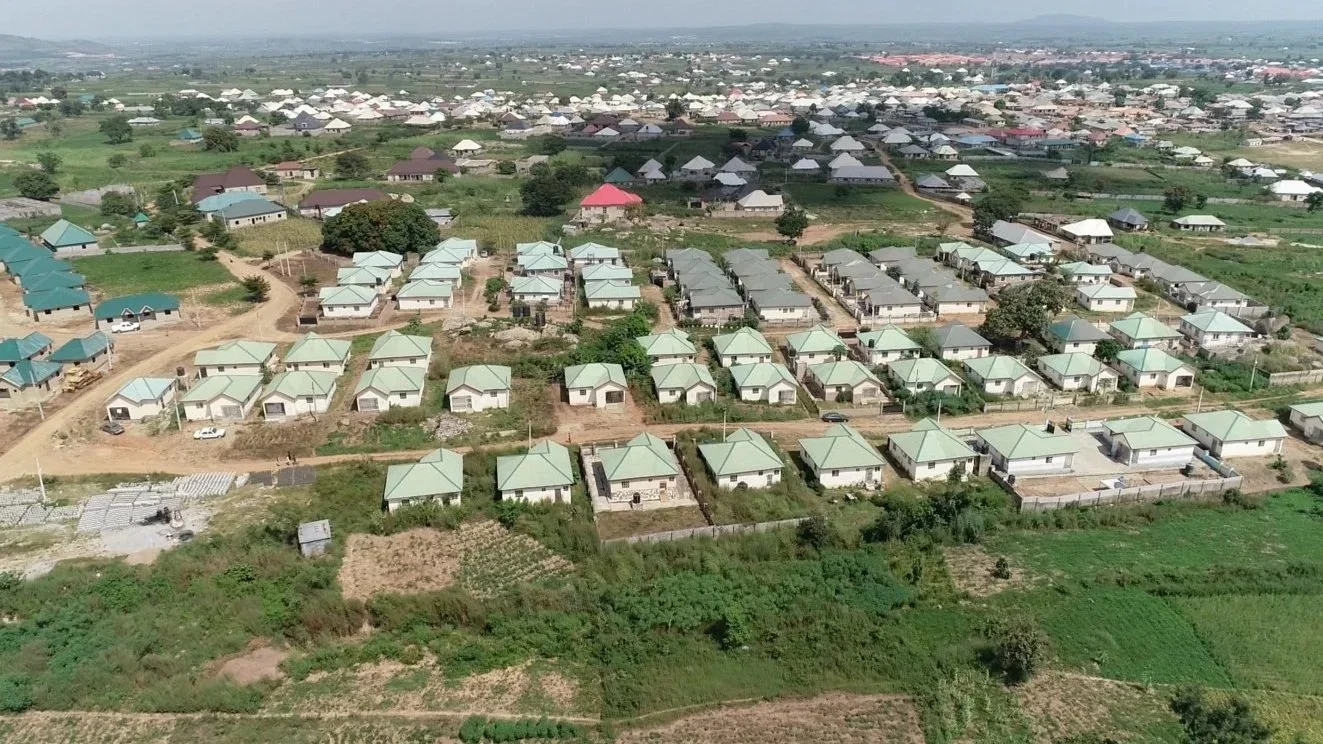
Rising rents and construction costs are putting affordable housing further out of reach for many Nigerians
Nigeria’s housing affordability crisis is deepening as rising rents continue to outpace household incomes, leaving more low- and middle-income households struggling to secure decent accommodation. The pressure reflects a combination of higher construction costs, inflation, expensive land and limited access to affordable housing finance.
/ You Might Also Like /




The trend is particularly significant for Nigeria’s major urban centres, where population growth and employment opportunities continue to increase demand for housing while the supply of affordable homes remains constrained.
Rising rents put pressure on households
Rental costs have increased sharply across several Nigerian cities as landlords and developers contend with higher prices for building materials, labour, energy, transportation and land.
Recent reporting cited by Housing TV Africa found that rents in several Abuja districts increased by between 40% and 120% over two years. In Lokogoma, for example, the annual rent for a two-bedroom apartment reportedly increased from about ₦1.2 million to as much as ₦2.5 million.
The headline rent, however, does not represent the full cost of securing accommodation. Agency fees, legal charges, caution deposits and service charges can significantly increase the amount households need to raise before moving into a property.
Housing costs are rising faster than incomes
The affordability challenge extends beyond the increase in rental prices.
For households whose earnings have not increased at the same pace as housing costs, a larger share of income must go towards accommodation. This leaves less money available for food, transportation, education, healthcare, savings and other household needs.
The pressure can also push households towards areas farther from employment centres.
While accommodation may cost less in satellite communities, households can face longer journeys and higher transportation expenses. This can reduce or even eliminate the savings achieved through lower rent.
Construction costs add to rental pressure
Higher construction and maintenance costs are another factor influencing rents.
Cement, reinforcement, paint, electrical materials, diesel and transportation have all recorded significant cost pressures, increasing the amount required to develop and maintain residential properties.
These costs eventually affect the economics of rental housing.
Developers need to recover land, construction, financing and operating costs through property sales or rental income. Where development costs rise substantially, landlords and developers face greater pressure to increase rents or property prices.
The Federal Competition and Consumer Protection Commission’s ongoing investigation into cement pricing has also brought renewed attention to the cost of one of the construction industry's major inputs.
Housing affordability goes beyond rent
Reducing rents alone will not resolve Nigeria’s housing affordability challenge.
The cost of housing reflects several interconnected factors, including land, infrastructure, building materials, construction finance, mortgage availability and household income.
Housing TV Africa noted that these pressures require interventions across the entire housing value chain, from land acquisition and infrastructure provision to construction finance and mortgage lending.
This means that housing policy must address both the cost of producing homes and the ability of households to pay for them.
More housing does not automatically mean affordable housing
Increasing housing supply remains essential, but the number of units delivered does not by itself determine affordability.
A development can add hundreds or thousands of units to the housing stock while remaining inaccessible to the households most affected by the housing shortage if prices or rents exceed their incomes.
This distinction is important for government housing programmes and private-sector development.
Housing delivery targets should therefore consider not only the number of units completed but also their location, tenure structure, pricing and the income groups they serve.
Urban expansion is reshaping housing demand
Rising rents are also influencing where Nigerians choose to live.
As housing costs increase in established urban districts, households are increasingly considering satellite communities where rents may be lower. Housing TV Africa identified areas including Gwagwalada, Kubwa and Mararaba as examples of locations attracting residents seeking alternatives to higher rents in central and established areas of Abuja.
However, housing expansion without adequate transport infrastructure, employment opportunities and public services can create additional costs for residents.
This makes coordination between housing and urban infrastructure increasingly important.
Housing finance remains a critical gap
Limited access to long-term housing finance continues to constrain both homeownership and housing supply.
For households, expensive mortgages can make purchasing a home unrealistic even where suitable properties are available.
For developers, high financing costs increase the cost of delivering new housing and can make genuinely affordable projects difficult to structure.
Expanding access to longer-term and lower-cost development finance could therefore help reduce the financing component of housing costs.
Mortgage institutions also need mechanisms that can reach households outside traditional salaried employment, provided borrowers can demonstrate reliable and sustainable income.
Government intervention needs to address the entire housing chain
A more effective response to Nigeria’s affordability challenge would require coordinated intervention rather than isolated housing projects.
Government can support the market through access to serviced land, infrastructure provision, streamlined approvals, targeted housing subsidies and stronger housing-finance mechanisms.
Developers, meanwhile, need access to long-term capital that can reduce the cost of delivering homes at scale.
Housing-finance institutions can complement these measures by expanding mortgage access and developing products suited to different income groups.
Affordability should become a key measure of housing delivery
Nigeria’s housing policy has often focused heavily on the number of homes delivered.
However, the affordability crisis suggests that a broader measurement framework is necessary.
The relevant question is not only how many houses are constructed, but whether households earning ordinary incomes can afford to rent or purchase them.
A housing programme that delivers units without addressing affordability may increase supply while leaving the underlying access problem largely unresolved.
Outlook
Nigeria’s housing affordability challenge is increasingly being shaped by the gap between household incomes and the cost of accommodation.
Rising rents, higher construction costs and limited access to long-term finance are putting additional pressure on households, while developers face increasing costs to deliver new homes.
Addressing the problem will require policies that reduce the cost of land, infrastructure, construction and finance while expanding housing supply in locations connected to employment and transport networks.
For policymakers and investors, the key measure of progress will ultimately be whether new housing supply becomes financially accessible to the households that need it most.
READ MORE