Ogun Commissions 108 Housing Units in Abeokuta as State Targets Housing Deficit
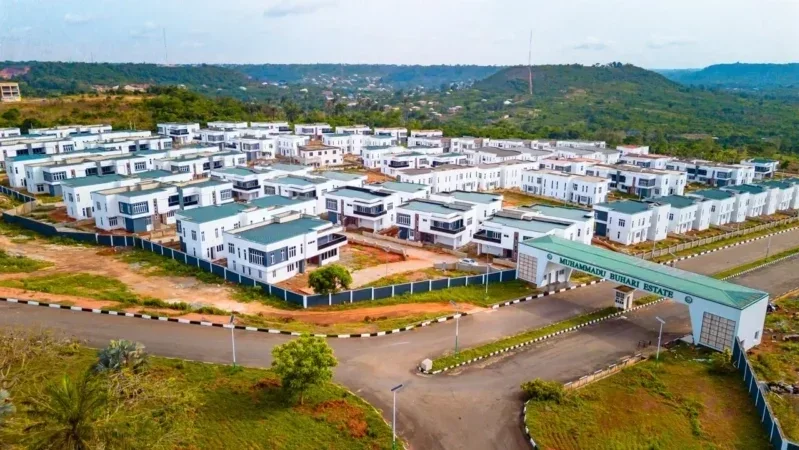
Ogun State commissions a 108-unit housing estate in Abeokuta
Ogun State has commissioned a 108-unit housing estate in Abeokuta as the state government intensifies efforts to expand housing supply and address its housing deficit.
The Muhammadu Buhari Estate, located along the Oke-Mosan-Kobape Express Road, was commissioned on Tuesday, 18 August 2026, by First Lady Oluremi Tinubu. The estate comprises 108 housing units and was developed as part of efforts to increase access to decent accommodation in the state.
/ You Might Also Like /




108 housing units added to Abeokuta supply
The commissioning adds 108 completed homes to the housing stock in Abeokuta, one of Ogun State's major urban centres.
Ogun State Commissioner for Housing, Jagunmolu Akande Omoniyi, said the project demonstrates the government's effort to provide housing for low-, medium- and high-income earners.
The state government said the development is intended to support efforts to bridge the housing deficit and improve living conditions.
The project's location along the Oke-Mosan-Kobape Express Road also places the development within an important urban growth corridor in Abeokuta.
Government links project to housing deficit
Ogun State Governor Dapo Abiodun said addressing the housing deficit requires continued investment in decent accommodation.
He said government should create conditions that allow residents to live with dignity and access essential services.
The governor also said the state administration would continue efforts to provide affordable housing until the end of its tenure.
For the housing market, the significance of such projects will ultimately depend on how effectively completed units reach households that face affordability constraints.
Affordability remains central to housing delivery
Adding new housing units to the market does not automatically resolve affordability challenges.
Households must still be able to purchase or rent the units without committing an unsustainable share of their income to accommodation.
This makes pricing, financing options, location and access to infrastructure important considerations alongside the number of units delivered.
The Ogun project therefore adds to the state's housing stock, but its broader impact on affordability will depend on the terms under which the units become available to prospective residents.
Location and infrastructure influence housing value
The estate's location along the Oke-Mosan-Kobape Express Road highlights the relationship between housing and urban infrastructure.
Road connectivity, electricity, water supply, drainage, healthcare, schools and other public services influence both the attractiveness and long-term value of residential developments.
Housing delivery that takes place alongside infrastructure expansion can support more sustainable urban growth by reducing the separation between residential areas and essential services.
For Ogun, continued infrastructure investment will therefore remain important as the state expands residential development around Abeokuta and other growing urban centres.
Healthcare project commissioned alongside estate
The housing project was commissioned alongside the Gateway Medical Centre of Excellence in Abeokuta.
The healthcare facility forms part of a broader public infrastructure programme in the state and was presented by the governor as an effort to strengthen access to healthcare services.
The simultaneous delivery of housing and healthcare infrastructure highlights the importance of coordinating residential development with essential public services.
For new housing communities, access to healthcare and other social infrastructure can influence residents' quality of life and the long-term sustainability of the development.
Ogun's growing urbanisation increases housing demand
Ogun's proximity to Lagos and its expanding industrial and residential corridors have contributed to growing demand for housing.
As population and economic activity increase, the state faces the challenge of ensuring that new housing supply keeps pace with demand while remaining accessible to different income groups.
Public housing developments can contribute to this objective, particularly where they complement private-sector construction and broader urban-planning initiatives.
However, sustained housing delivery will require continued access to land, infrastructure and long-term development finance.
Housing delivery needs private-sector participation
Government housing programmes can add directly to supply, but the scale of Nigeria's housing challenge requires significant private-sector participation.
Developers, financial institutions, housing cooperatives and institutional investors can expand delivery if the regulatory and financing environment supports long-term investment.
Government can strengthen this ecosystem by providing serviced land, improving infrastructure, streamlining approvals and supporting affordable mortgage and construction-finance mechanisms.
This approach would allow public resources to leverage additional private capital rather than relying solely on government-funded housing projects.
Outlook
The commissioning of the 108-unit Muhammadu Buhari Estate increases Ogun State's formal housing stock and forms part of the state's response to its housing deficit.
The project's long-term housing impact will depend on the affordability of the units, their accessibility to intended beneficiaries and the availability of supporting infrastructure.
For Ogun State, sustained housing delivery will require a combination of public investment, private-sector participation, infrastructure development and accessible housing finance.
READ MORE