Japan Commits ₦20bn to Expand Nigeria’s National Grid
Japan Commits ₦20bn to Upgrade Lagos Transmission Infrastructure
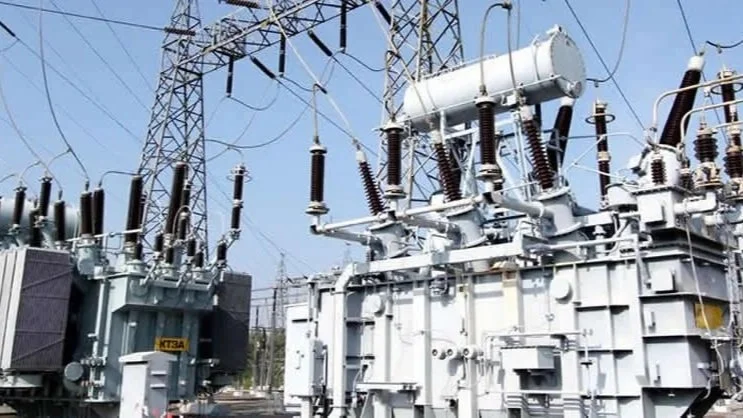
The Government of Japan, through the Japan International Cooperation Agency (JICA), has committed ¥2.35 billion, equivalent to about ₦20 billion, to expand and rehabilitate Nigeria’s national electricity grid, with the funding supporting the Apapa Transmission Substation in Lagos.
JICA Chief Representative in Nigeria, Ishigame Keiji, disclosed the commitment in an interview with the News Agency of Nigeria (NAN) on Wednesday, 19 August 2026, saying the project is designed to strengthen transmission capacity and improve power reliability in Lagos and surrounding areas.
/ You Might Also Like /




Funding targets Apapa transmission infrastructure
According to Keiji, the Japanese funding will support construction works, equipment procurement, engineering services, operational training and project implementation.
The Apapa Transmission Substation occupies an important position within Lagos' electricity transmission network, serving an area with significant residential, commercial and industrial activity.
JICA said the rehabilitation and reinforcement of the facility have increased transmission capacity, improved operational reliability and reduced bottlenecks affecting power evacuation and distribution.
Rising electricity demand drives investment
The investment comes as electricity demand continues to rise in Lagos, Nigeria's largest commercial centre.
Ageing transmission infrastructure and network constraints have remained challenges for the country's power sector. Strengthening transmission capacity can help reduce congestion and improve the ability of the grid to move available electricity to areas with high demand.
For Lagos, improved transmission infrastructure is particularly important because of the concentration of businesses, industries and rapidly expanding residential communities across the state.
Japan supports Lagos-Ogun transmission network
Beyond the Apapa project, Japan is also implementing another Official Development Assistance project through a concessional loan to strengthen the transmission network covering Lagos and Ogun states.
Keiji said the Japanese government would also provide technical assistance and policy advisers to Nigeria's Ministry of Power as part of its wider support for the country's electricity sector.
The additional support is intended to strengthen technical capacity and contribute to more stable and reliable electricity supply.
Reliable power has implications for housing development
The investment has direct implications for Nigeria's housing and property market.
Electricity remains a significant component of the cost of developing and operating residential and commercial properties. Developers often rely on diesel generators where grid supply is unreliable, adding to construction and operating expenses.
Stronger transmission infrastructure could reduce some of these pressures if increased capacity translates into more consistent electricity supply.
For residential developments, reliable electricity can also improve the attractiveness of emerging communities and support urban expansion into areas with growing housing demand.
Infrastructure can support private investment
Reliable electricity is also important for attracting private investment into real estate and other infrastructure-dependent sectors.
Developers and investors typically consider the availability and cost of essential infrastructure when assessing new projects. Where electricity supply remains unreliable, developers may need to provide alternative power systems, increasing capital and operating costs.
Improved grid infrastructure can therefore strengthen the investment environment by reducing some of the infrastructure constraints facing businesses and property developers.
Japan signals continued interest in Nigeria
JICA said Nigeria's large market continues to attract interest from Japanese companies and other private-sector investors.
The agency's involvement in transmission infrastructure, technical assistance and policy support reflects a broader partnership between Japan and Nigeria in the power sector.
For Nigeria, attracting development financing and technical expertise remains important as the country seeks to improve electricity infrastructure and support economic activity.
Grid investment must translate into reliable supply
While transmission investment can address an important part of Nigeria's electricity challenge, improvements across the entire power value chain remain necessary.
More transmission capacity needs to be matched by sufficient generation and effective distribution infrastructure. Operational efficiency, maintenance, gas supply for thermal generation and network management will also influence how much electricity ultimately reaches households and businesses.
The effectiveness of the Japanese-backed investment will therefore depend on how well improvements at Apapa and other transmission facilities integrate with wider reforms across the power sector.
Outlook
Japan's ₦20 billion commitment adds to ongoing efforts to strengthen Nigeria's electricity transmission infrastructure, with the Apapa Transmission Substation in Lagos serving as a key focus of the investment.
For the housing and property sector, improved electricity infrastructure could help reduce operating costs, strengthen the viability of new developments and make emerging urban areas more attractive to investors.
However, the broader impact will depend on continued investment across generation, transmission and distribution. Sustained improvements in power reliability could ultimately support lower development costs and stronger private-sector investment in Nigeria's housing and infrastructure markets.
READ MORE