Survivor's Account Raises Fresh Questions Over Building Safety Oversight in Lagos Collapse
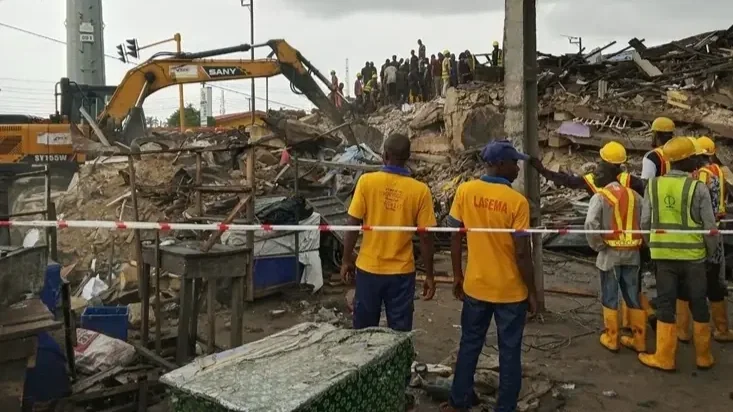
Lagos Collapse Survivor Reveals Cracks Were Reported Before Building Failed
Fresh details have emerged following the collapse of a three-storey building in the Alakija area of Lagos State, with a survivor alleging that visible structural warning signs had appeared days before the incident but were not acted upon. The revelation has intensified concerns over building safety, regulatory enforcement, and the management of distressed structures in one of Nigeria's busiest urban centres.
/ You Might Also Like /




According to survivor Kenneth Nwabueze, occupants noticed significant cracks developing within the building before it eventually collapsed. He said the deteriorating condition of the structure was reported to the landlord, but no immediate intervention was undertaken before the tragedy occurred. The building collapse claimed at least nine lives and left 27 others rescued with varying degrees of injuries, according to emergency authorities.
Occupants Reported Signs of Structural Failure
Nwabueze recounted that tenants and business operators had become increasingly concerned after cracks began appearing on parts of the building. Fearing the structure's stability, some occupants reportedly raised the issue with the property owner, expecting urgent remedial action to prevent a possible disaster.
Other eyewitnesses also alleged that concerns over the building's deteriorating condition had circulated before the collapse, with some occupants beginning to vacate portions of the property because of safety fears. According to reports, approval for reinforcement work was reportedly obtained only days before the building failed.
Tragedy Renews Focus on Regulatory Enforcement
The survivor's account has renewed debate about the effectiveness of building inspections and enforcement of development regulations. Construction professionals have consistently argued that early detection of structural defects and timely intervention are essential to preventing avoidable building failures.
Industry stakeholders say distressed buildings should undergo immediate structural assessment by qualified professionals once warning signs such as cracks, excessive settlement, or structural movement become evident. They also stress the need for stronger collaboration between property owners, regulators, and construction professionals to ensure compliance with building safety standards.
Implications for Nigeria's Housing Sector
The incident highlights the broader challenges facing Nigeria's built environment, where ageing buildings, inadequate maintenance, and weak regulatory compliance continue to pose significant risks to lives and property.
For developers, investors, and homeowners, the tragedy underscores the importance of regular structural integrity assessments, adherence to approved building standards, and routine maintenance. It also reinforces the need for development control agencies to strengthen monitoring of distressed buildings and enforce timely corrective measures.
Housing experts note that improving building safety is essential to sustaining investor confidence, protecting property values, and ensuring that urban development remains safe and resilient.
Investigation Continues
Lagos State authorities have commenced investigations into the cause of the collapse as emergency responders conclude rescue and recovery operations. Findings from the investigation are expected to determine whether negligence, structural defects, poor maintenance, or regulatory lapses contributed to the incident.
The outcome could influence future reforms aimed at strengthening building approval processes, structural inspections, and enforcement of construction regulations across the state.
Conclusion
The testimony from a survivor of the Alakija building collapse has added a new dimension to ongoing investigations, suggesting that warning signs may have been evident before the structure failed. As authorities continue their inquiry, the incident is expected to reinforce calls for stricter building inspections, stronger regulatory oversight, and improved compliance with safety standards to reduce the risk of similar tragedies in Nigeria's growing urban centres.
READ MORE