CBN Injects N5.21tn Into Banking System Ahead of N700bn Treasury Bills Auction
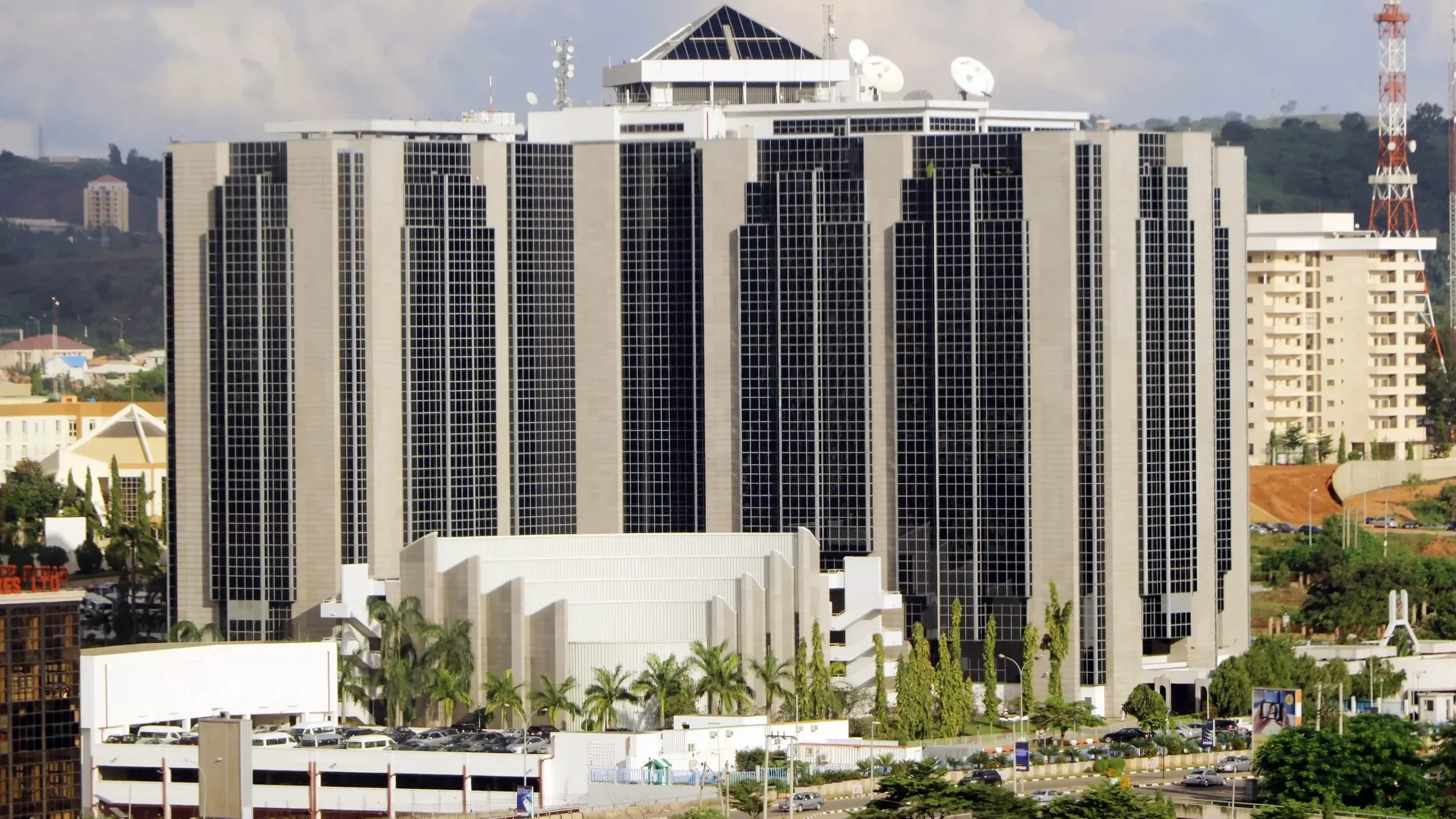
N5.21tn CBN Liquidity Injection Sets Stage for N700bn NTB Auction
The Central Bank of Nigeria (CBN) injected a net N5.21 trillion into the banking system between August 4 and August 11, 2026, with N2.48 trillion released through an Open Market Operations (OMO) repayment on August 11 alone.
The liquidity injection came a day before the CBN, acting on behalf of the Debt Management Office (DMO), returned to the primary market with a N700 billion Treasury Bills auction on Wednesday, August 12.
/ You Might Also Like /




N2.48tn released in single-day repayment
The N2.48 trillion OMO repayment on August 11 accounted for 47.60% of the total N5.21 trillion liquidity released during the week.
The CBN also executed N2.73 trillion in primary-market repayments on August 4 and August 6, comprising N2.45 trillion and N283.78 billion respectively.
The repayments reflect the maturity of OMO and Treasury Bills instruments, returning funds to banks and other financial-market participants.
The scale of the release is significant because it coincides with the resumption of Treasury Bills issuance after the CBN cancelled a N700 billion auction scheduled for August 5.
CBN resumes N700bn Treasury Bills auction
The CBN is offering N700 billion across three Treasury Bills tenors at the August 12 auction.
The offer comprises N100 billion in 91-day bills, N100 billion in 182-day bills and N500 billion in 364-day bills. The 364-day instrument therefore represents 71.4% of the total offer.
The auction follows the withdrawal of the August 5 offering after the CBN conducted back-to-back OMO operations that absorbed N4.69 trillion from the banking system on August 3 and August 4.
The latest liquidity release creates a different market environment for the rescheduled auction, with banks and institutional investors receiving substantial funds ahead of the Treasury Bills sale.
Liquidity could strengthen auction demand
The CBN's N5.21 trillion injection could increase the amount of cash available to banks and institutional investors seeking short-term investment opportunities.
Nairametrics reported that the latest auction could attract strong demand, particularly because recent Treasury Bills auctions have recorded significant oversubscription.
At the July 29 auction, the CBN allotted approximately N1.25 trillion against a N700 billion offer, with demand concentrated around the 364-day Treasury Bill.
The strong appetite for longer-dated Treasury Bills indicates that institutional investors continue to favour government securities as a destination for excess liquidity.
OMO operations continue to shape market liquidity
The latest injection follows an aggressive period of liquidity management by the CBN.
The apex bank absorbed N7.18 trillion from the banking system through OMO sales in July. It subsequently combined further liquidity withdrawals with substantial repayments as securities matured.
The alternating pattern of liquidity injections and withdrawals forms part of the CBN's efforts to manage monetary conditions and influence short-term interest rates.
For financial-market participants, the timing and scale of these operations can influence Treasury Bills yields, bank liquidity and the cost of short-term funding.
Treasury Bills yields remain closely watched
Investors will be watching the stop rates from the August 12 auction, particularly on the 364-day instrument.
At the July 8 auction, the one-year Treasury Bills stop rate increased to 17.70% from 17.34%. The 182-day bill recorded weaker demand, with subscriptions of N29.94 billion against N100 billion offered.
The latest liquidity release could affect pricing at the new auction. A substantial increase in available funds could support demand and potentially place downward pressure on yields, although strong institutional appetite could absorb much of the liquidity.
Implications for investors and the wider economy
The movement of N5.21 trillion into the banking system is important for investors because it changes the amount of liquidity available for financial-market assets.
Banks and institutional investors with additional funds may increase allocations to Treasury Bills, government securities and other short-term instruments.
For businesses, changes in banking-system liquidity can also affect short-term financing conditions. However, the impact on lending rates and credit availability will depend on how banks deploy the additional liquidity and how the CBN subsequently manages monetary conditions.
Potential impact on housing and real estate finance
The liquidity cycle also has implications for Nigeria's housing and real estate market.
Mortgage lenders, developers and other property-sector businesses operate within the broader financial system, meaning changes in liquidity and interest rates can influence the cost and availability of credit.
If increased liquidity contributes to lower short-term market rates, funding conditions could improve over time. However, Treasury Bills offering attractive yields can also compete with private-sector lending and investment for institutional capital.
For housing finance, the more important question will be whether changes in monetary conditions eventually translate into lower borrowing costs and greater availability of long-term mortgage credit.
CBN faces balancing act
The latest liquidity injection highlights the challenge facing the CBN as it balances liquidity management with the government's borrowing programme.
The central bank has been using OMO operations to absorb excess liquidity while Treasury Bills auctions provide government securities to investors.
The N5.21 trillion repayment therefore does not represent a permanent expansion of money available for spending. Much of the liquidity can be reabsorbed through Treasury Bills issuance and other monetary-policy operations.
Outlook
The CBN's N5.21 trillion liquidity injection has created a significant pool of funds ahead of the N700 billion Treasury Bills auction.
The immediate market signal will come from the auction's subscription levels and stop rates, particularly for the heavily weighted 364-day bill. The results will help indicate whether the additional liquidity translates into stronger demand and lower yields or is absorbed by continued institutional demand for government securities.
For the housing and real estate sectors, the longer-term significance lies in whether changing liquidity conditions eventually improve access to affordable credit and mortgage finance.
READ MORE