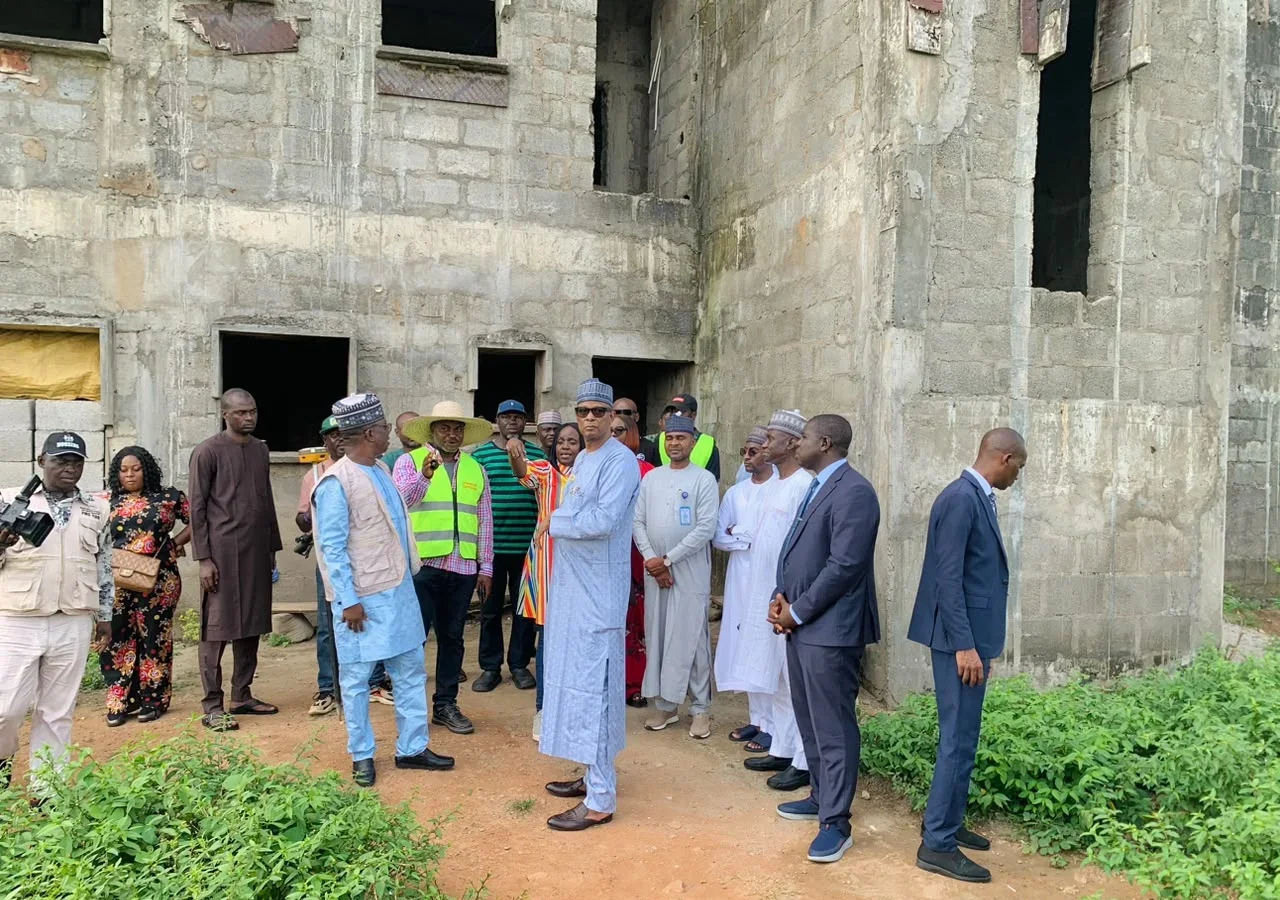
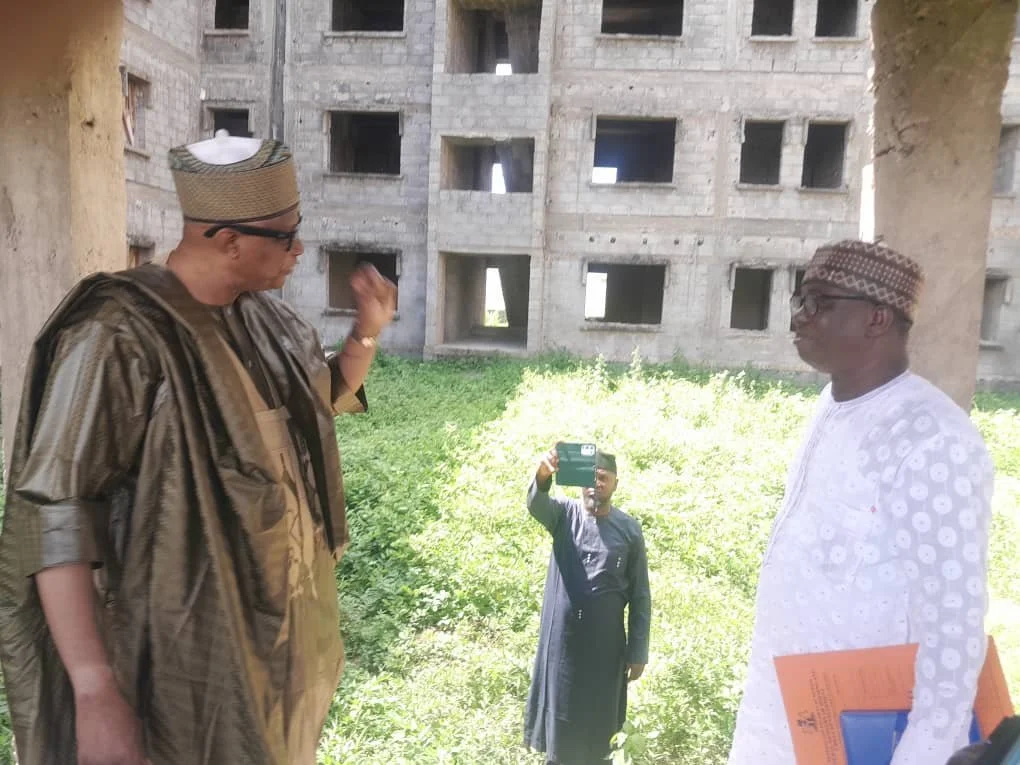
Osinbajo Advocates Better Urban Planning to Address Nigeria's Housing Challenge
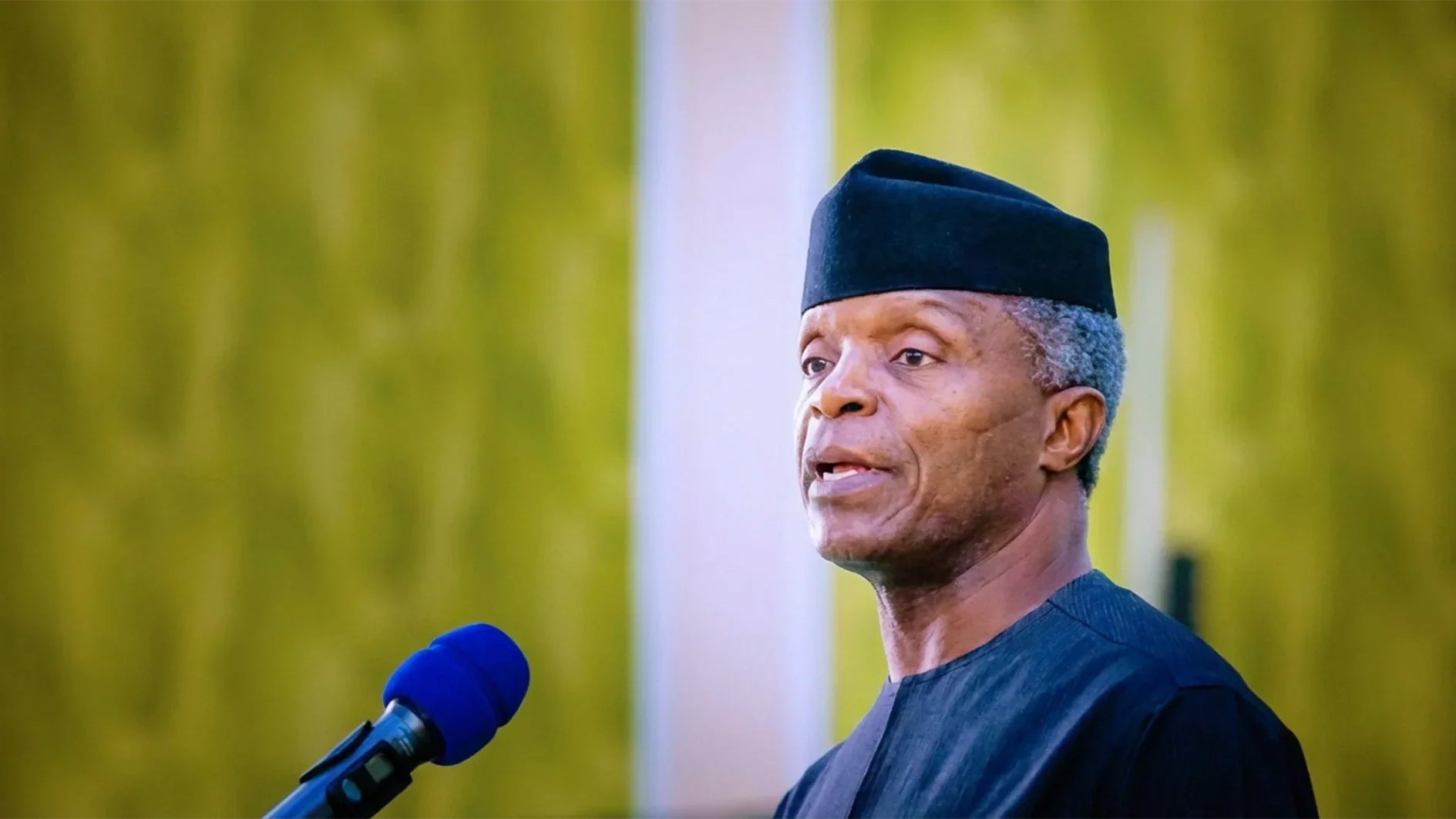
Osinbajo Highlights Urban Planning as Foundation for Sustainable Housing
Former Vice President Yemi Osinbajo has called for a shift in Nigeria's approach to addressing its housing deficit, arguing that the solution lies not only in constructing more buildings but also in strengthening urban planning and creating well-designed, sustainable communities. He stressed that effective planning should underpin housing delivery to ensure developments are supported by adequate infrastructure, public services, and economic opportunities.
/ You Might Also Like /




Osinbajo made the remarks while speaking on the future of Nigeria's housing sector, noting that the country's rapid urbanisation requires a more integrated development strategy. He emphasised that housing projects should be guided by comprehensive planning frameworks that consider transportation, utilities, education, healthcare, and environmental sustainability rather than focusing solely on increasing the number of residential units.
Planning Must Accompany Housing Delivery
According to Osinbajo, expanding housing stock alone will not resolve Nigeria's housing challenges if new developments lack the infrastructure and public amenities needed to support growing communities. He argued that integrated planning can help create more liveable cities while improving long-term economic productivity and quality of life.
He noted that successful urban development depends on coordinating housing delivery with investments in roads, public transport, water supply, electricity, schools, healthcare facilities, and commercial centres. Such an approach, he said, would ensure that new residential developments evolve into functional communities rather than isolated housing estates.
Growing Urbanisation Demands Smarter Cities
Nigeria continues to experience rapid population growth and urban migration, placing increasing pressure on housing, infrastructure, and public services. Experts have consistently argued that sustainable urban planning will be critical to managing this growth while reducing congestion, improving mobility, and expanding access to affordable housing.
Housing professionals also note that coordinated planning helps attract private investment by providing greater certainty around land use, infrastructure development, and long-term city expansion strategies. This can improve the viability of large-scale residential and mixed-use developments.
Implications for Nigeria's Housing Sector
Osinbajo's comments reinforce the growing consensus that addressing Nigeria's housing deficit requires more than increasing construction activity. Long-term success will depend on integrated policies that combine housing delivery with land administration reforms, infrastructure investment, effective urban governance, and sustainable planning.
For developers and investors, planning-led growth can reduce project risks, improve property values, and support more resilient real estate markets. For policymakers, it highlights the importance of aligning housing initiatives with broader urban development objectives.
Conclusion
Osinbajo's call for better urban planning highlights the need for a more comprehensive approach to tackling Nigeria's housing deficit. As governments continue to invest in affordable housing and urban renewal, integrating housing construction with infrastructure, land use planning, and public services will be essential to creating sustainable and inclusive communities.
READ MORE