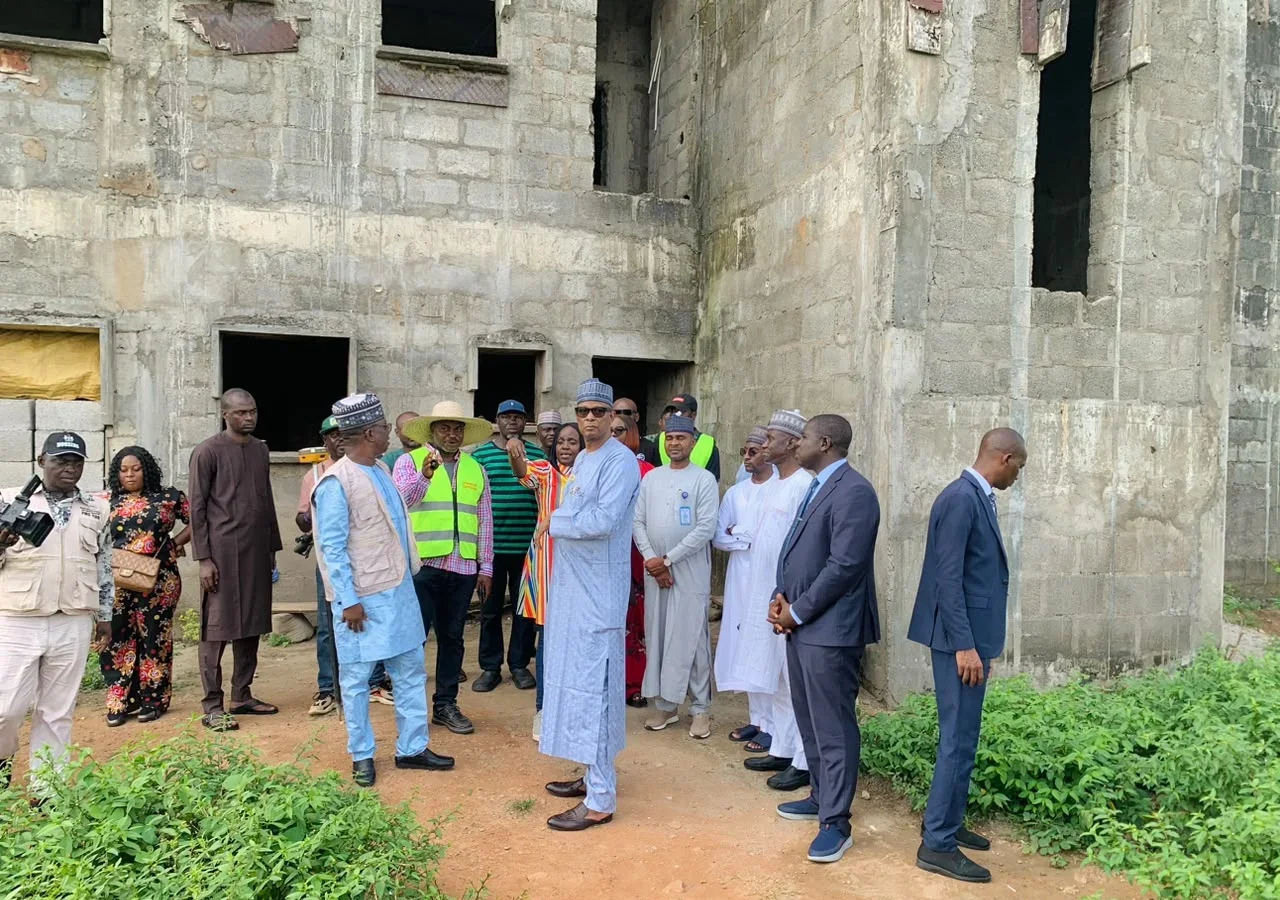
BAT-IG Engages KEDCO to Improve Power Supply in Kano Industrial, Commercial Clusters

Kano Industrial, Commercial Clusters Get Proposed Power Network Upgrade
The Bola Ahmed Tinubu Ideological Group (BAT-IG) has commenced discussions with the Kano Electricity Distribution Company (KEDCO) on targeted electricity network maintenance and reinforcement projects for industrial and commercial clusters across Kano State.
/ You Might Also Like /




The initiative focuses on improving electricity supply to areas with significant business and industrial activity, with Jogana, Zainawa and Tokarawa along the Hadejia Road corridor identified among the initial locations for intervention. The group said the programme forms part of a wider proposal covering 30 industrial and commercial locations across Nigeria.
Kano clusters identified for initial intervention
According to BAT-IG Convener Bamidele Atoyebi, the group held a joint meeting with KEDCO's technical and commercial teams on August 10 following an earlier proposal submitted to the Niger Delta Power Holding Company (NDPHC) on July 14.
KEDCO reportedly expressed readiness to work on priority areas where improved electricity supply could support commercial and industrial activity.
The initial Kano locations include Jogana, Zainawa and Tokarawa along the Hadejia Road corridor, covering the Eastern Bypass.
The group also identified clustered estates along the Western Bypass, where a 33/11kV injection substation may be required to meet growing commercial and industrial electricity demand.
Programme targets 30 industrial and commercial locations
BAT-IG said the Kano intervention forms part of a broader programme targeting 30 industrial and commercial locations across Nigeria.
Kano, Lagos, Anambra, Nnewi and Edo are among the locations earmarked for the first phase, with additional areas expected to follow in subsequent phases.
The proposed approach involves targeted network maintenance and reinforcement rather than applying the same intervention across entire electricity distribution networks.
This could allow infrastructure spending to focus on areas where reliable power can directly support production, trade and employment.
Reliable electricity remains critical to businesses
BAT-IG said reliable electricity is essential to the survival and expansion of businesses and industries.
For industrial operators, unstable electricity supply can increase dependence on diesel generators and other alternative sources of power. This adds to operating costs and can affect production efficiency and competitiveness.
Improved distribution infrastructure in industrial clusters could therefore reduce some of these pressures if the interventions deliver more reliable supply.
The initiative also reflects the growing importance of electricity infrastructure to Nigeria's industrial development strategy.
Power infrastructure has implications for real estate
The proposed interventions could also affect Kano's commercial and industrial property markets.
Reliable electricity is an important consideration for businesses when choosing locations for factories, warehouses, offices, retail facilities and other commercial operations.
Where power supply improves, industrial and commercial clusters can become more attractive to businesses seeking to expand or relocate.
This can increase demand for serviced industrial land, warehouses, workshops and commercial premises around improved electricity corridors.
For property developers, the availability of dependable power can also improve the viability of developments that require significant electricity consumption.
Infrastructure investment could support local economic activity
BAT-IG said the broader objective is to use targeted infrastructure interventions to unlock economic opportunities, create jobs and strengthen local economies.
In Kano, improving power supply to established commercial and industrial corridors could support existing businesses while encouraging additional investment.
However, electricity improvements alone will not determine the success of industrial clusters. Road access, security, water supply, land administration, telecommunications and other infrastructure also influence the competitiveness of industrial locations.
NDPHC and KEDCO engagement
The Kano initiative follows BAT-IG's intervention proposal to NDPHC, which subsequently approved a phased pathway for further engagement with relevant stakeholders.
The involvement of both transmission-related infrastructure stakeholders and the distribution company is significant because reliable electricity at the end-user level depends on adequate capacity across different parts of the power system.
Additional distribution infrastructure, including injection substations where required, could help address capacity constraints in areas experiencing rising commercial and industrial demand.
Potential impact on Kano's property market
The concentration of electricity investment around specific industrial and commercial corridors could influence the location of future property development.
Improved infrastructure can increase the attractiveness of areas that previously faced service limitations, potentially supporting higher demand for commercial and industrial property.
For residential development, the effect could emerge indirectly as new businesses create employment and increase demand for housing around expanding economic centres.
However, the impact on property values will depend on whether the power improvements become reliable and sustained and whether other infrastructure keeps pace with development.
Outlook
The engagement between BAT-IG and KEDCO represents an effort to direct electricity infrastructure improvements towards areas where commercial and industrial activity is already concentrated.
For Kano, the proposed interventions around the Eastern and Western Bypasses could strengthen the operating environment for businesses if they translate into more reliable electricity supply.
For the property and construction sectors, improved power infrastructure could support industrial, logistics, commercial and eventually residential development around the targeted corridors. The wider success of the programme will depend on implementation, funding, coordination among power-sector stakeholders and the ability to extend reliable service beyond the initial pilot locations.
READ MORE