Inland Waterways Clean-Up to Tackle Pollution, Create Jobs and Boost Blue Economy
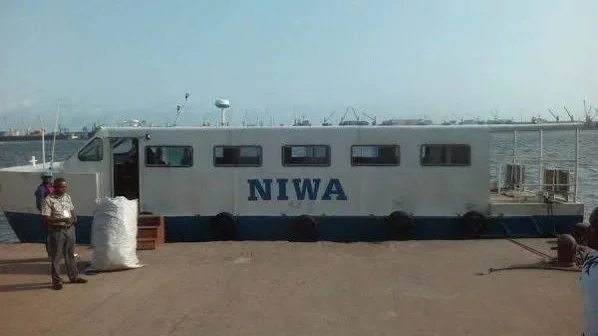
Nigeria Targets Cleaner Inland Waterways to Create Jobs and Grow Blue Economy
The National Inland Waterways Authority (NIWA), in partnership with Parts Central Limited, has concluded plans for a nationwide clean-up of Nigeria’s inland waterways aimed at reducing pollution, improving navigability, creating jobs and supporting the country’s blue economy.
NIWA announced the initiative on Wednesday, August 12, 2026, ahead of its official unveiling scheduled for August 18 in Lagos. The programme will target sources of pollution and indiscriminate waste disposal while establishing systems for removing waste and converting it into economic value.
/ You Might Also Like /




NIWA targets pollution across inland waterways
According to NIWA, the initiative will focus on identifying major sources of pollution and improving waste management across the inland waterways ecosystem.
The agency said the programme will deploy structured systems for removing waste and converting recovered materials into economic value.
Beyond environmental benefits, the approach is intended to create employment opportunities for communities located along Nigeria’s waterways.
The clean-up is also expected to remove debris and other pollution-related obstructions that affect navigation.
Clean waterways could improve navigability
The condition of inland waterways has implications for Nigeria’s transportation and logistics network.
Floating waste, debris and other obstructions can interfere with navigation and increase the difficulty of operating boats and other water transport services.
NIWA said removing these obstructions could improve navigability and support greater use of inland waterways for transportation and commercial activity.
Improved navigability could also support communities and businesses that depend on waterways for the movement of people and goods.
Waste conversion forms part of economic strategy
The programme goes beyond conventional environmental clean-up.
NIWA and Parts Central plan to establish systems through which recovered waste can be converted into economic value.
This approach could create opportunities around waste collection, sorting, recycling, processing and other related activities.
For communities along inland waterways, the development of these activities could provide new sources of employment while reducing the volume of waste entering rivers and waterways.
Blue economy gains wider policy focus
The initiative aligns with the Federal Government’s broader blue economy strategy.
The Minister of Marine and Blue Economy, Adegboyega Oyetola, has repeatedly emphasised the need to use Nigeria’s inland waterways for economic development beyond transportation.
The government views the waterways as potential drivers of economic diversification, with opportunities spanning transportation, fisheries, tourism, logistics and other maritime-related activities.
Cleaning and maintaining the waterways therefore forms part of the infrastructure required to unlock these economic opportunities.
Fisheries and aquatic biodiversity could benefit
NIWA said the programme is also expected to support aquatic biodiversity conservation.
Some aquatic species within Nigeria’s waterways remain poorly documented, while pollution threatens the health of aquatic ecosystems.
Reducing waste and other forms of pollution could improve conditions for aquatic life and support the fisheries economy.
For communities that depend on fishing and related activities, healthier waterways could contribute to more sustainable livelihoods.
Waterways investment could support waterfront development
The clean-up could also have implications for real estate and urban development, particularly in communities located along major waterways.
Cleaner and more navigable waterways can improve the attractiveness of waterfront areas for commercial activities, transport terminals, tourism facilities and other forms of development.
However, improved environmental conditions alone will not guarantee sustainable waterfront development. Proper planning, flood management, land-use controls and environmental safeguards will remain necessary to prevent poorly planned development from creating new risks.
For property developers and investors, the availability of reliable water transport and improved environmental conditions could create opportunities for carefully planned waterfront and logistics developments.
Lagos serves as launch point
The official unveiling will take place in Lagos on August 18, 2026.
NIWA Lagos Area Manager, Sarat Braimah, and Parts Central Managing Director, Henry Olaoluwa Onifade, said the event will provide stakeholders with information about the initiative and seek support for its implementation.
The involvement of government agencies and private-sector stakeholders will be important because maintaining waterways requires sustained investment rather than one-off clean-up exercises.
Long-term maintenance will determine impact
The success of the programme will depend on whether waste removal is followed by effective systems for preventing fresh pollution.
Without enforcement against indiscriminate dumping and reliable waste collection infrastructure, waterways could quickly return to their previous condition.
The economic value of the programme will also depend on whether recovered waste can be processed commercially and whether communities receive sustainable employment opportunities from the initiative.
Outlook
The planned nationwide inland waterways clean-up represents an effort to combine environmental management with economic development under Nigeria’s blue economy strategy.
If implemented effectively, the programme could improve navigability, support fisheries, create jobs and strengthen economic activity around inland waterways.
For the housing and real estate sector, the longer-term opportunity lies in better-managed waterfront and logistics corridors. Sustainable development will require the clean-up programme to work alongside flood management, urban planning, environmental regulation and infrastructure investment.
READ MORE