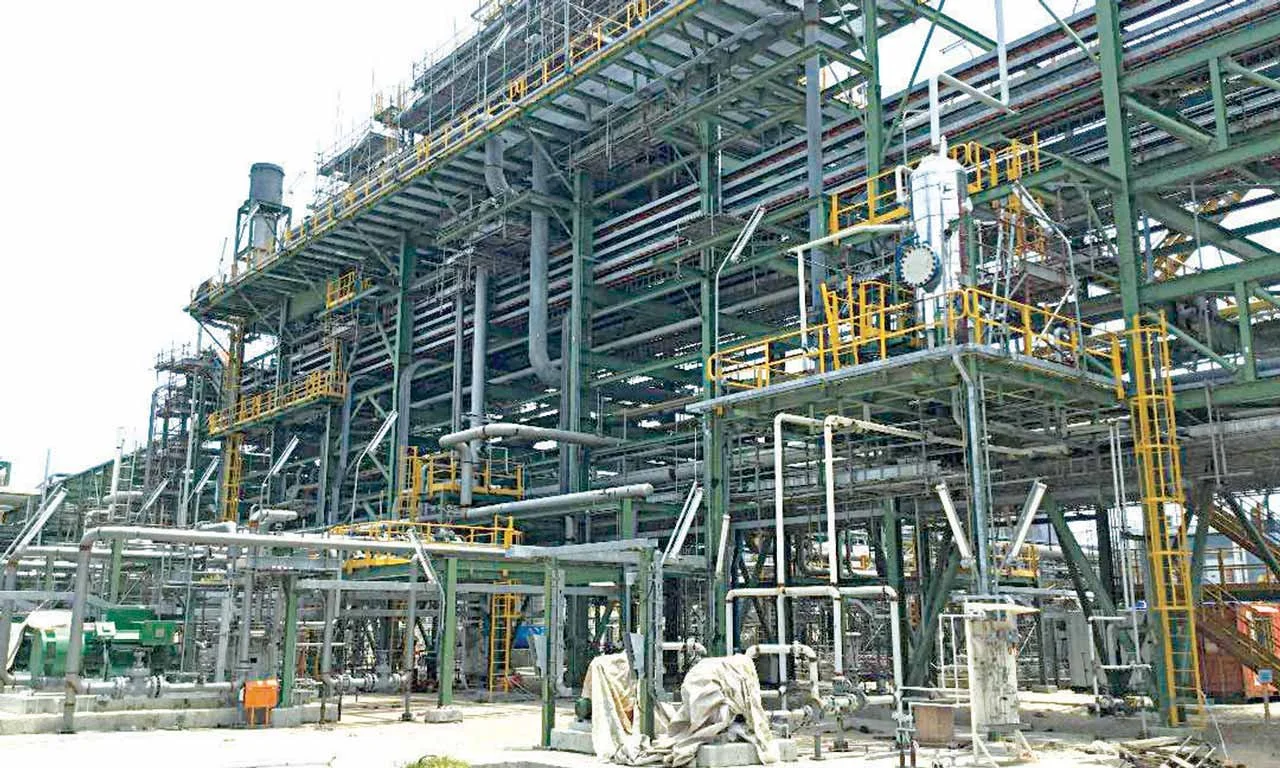
REDAN Calls for Stronger Regulation to Curb Building Collapse in Nigeria
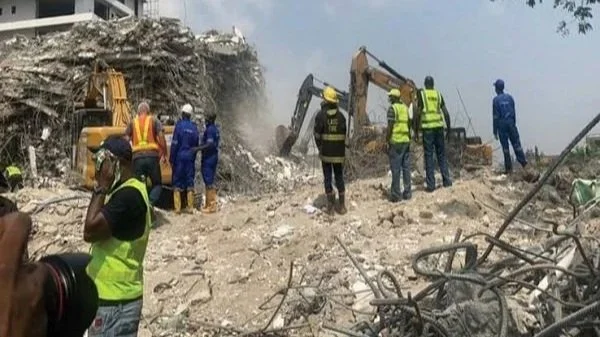
Nigeria Must Strengthen Building Oversight to End Collapses, Says REDAN
The Real Estate Developers Association of Nigeria (REDAN) has called for comprehensive reforms to Nigeria's building control framework, urging governments at all levels to strengthen regulation, tighten enforcement and prosecute developers and public officials whose negligence contributes to building collapses.
The association made the call following recent building failures in Lagos and Rivers states, arguing that recurring structural collapses are not isolated accidents but the result of regulatory failures, weak oversight and deliberate violations of construction standards. REDAN said stronger accountability across the construction value chain is critical to protecting lives, restoring confidence in the real estate sector and improving the quality of Nigeria's built environment.
/ You Might Also Like /


REDAN Calls for Tougher Building Laws
Chairman of the REDAN Lagos Chapter, Dr Tony Kolawole, said the country must move beyond responding to building collapses with demolition exercises alone. According to him, existing laws should be strengthened to close regulatory loopholes, while individuals responsible for compromising building standards should face criminal prosecution.
He argued that developers, contractors, consultants, property owners and public officials who knowingly violate planning regulations or approve substandard construction should be held legally accountable. According to REDAN, stronger penalties would serve as a deterrent and improve compliance across the construction industry.
Stronger Enforcement Needed Across the Construction Sector
REDAN attributed many building failures to the use of substandard construction materials, inadequate professional supervision, compromised approval processes and poor regulatory enforcement.
The association urged state building control agencies to intensify inspections of ongoing developments and existing structures, particularly in densely populated urban areas where the consequences of structural failure are often severe.
It also called on state legislatures to review existing building control laws, introduce stiffer penalties for offenders and strengthen institutional oversight to improve compliance with approved construction standards.
Buyers and Investors Should Verify Project Documentation
REDAN advised prospective homebuyers, investors and tenants to conduct thorough due diligence before purchasing or leasing property.
The association recommended verifying approved building plans, structural integrity certifications and the professional credentials of developers before committing to any real estate transaction. It noted that increased consumer awareness could complement regulatory oversight by encouraging greater transparency and compliance within the property market.
Implications for Nigeria's Housing and Real Estate Sector
Recurring building collapses continue to undermine investor confidence, increase construction risks and weaken public trust in the formal housing market. Beyond the tragic loss of lives, structural failures often lead to significant financial losses, higher insurance costs and delays in residential and commercial developments.
Industry analysts have consistently argued that improving construction quality requires coordinated action among regulators, developers, professional bodies and lawmakers. Stronger enforcement of planning regulations, mandatory certification of developers, regular site inspections and effective prosecution of offenders are widely viewed as essential measures for improving building safety and protecting property investments.
Outlook
REDAN's latest call reflects growing pressure for reforms that strengthen governance across Nigeria's built environment. As urban development accelerates and demand for housing continues to grow, improving regulatory compliance and construction standards will be essential to delivering safe, resilient and sustainable buildings.
For policymakers, the challenge extends beyond updating legislation to ensuring consistent enforcement. For developers, stronger compliance can enhance industry credibility and investor confidence, while reducing the frequency of avoidable structural failures that continue to affect Nigeria's real estate sector.
READ MORE