Federal Government Awards ₦690bn Road Contracts Across Key Nigerian States
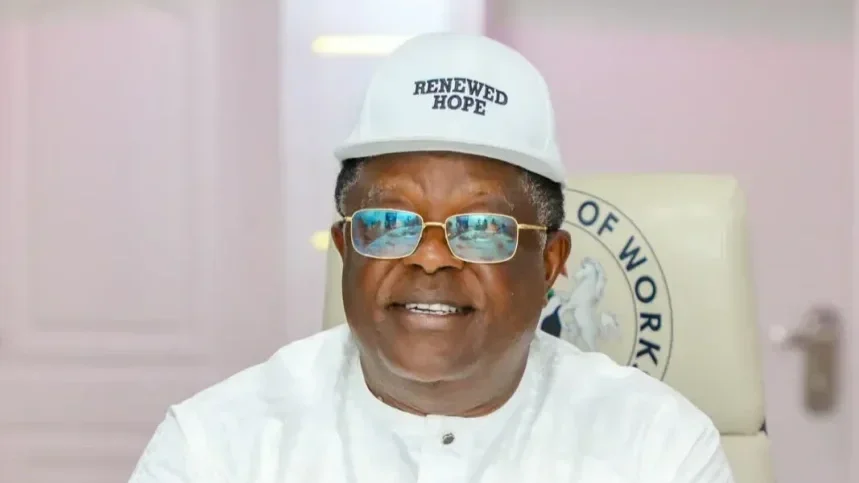
FG Signs Major Road Infrastructure Deals to Boost Regional Connectivity
The Federal Government has awarded road construction and rehabilitation contracts valued at more than ₦690 billion across several states, marking another major phase in Nigeria’s infrastructure expansion programme. The projects, announced by the Federal Ministry of Works in Abuja, cover strategic transport corridors in Kaduna, Oyo, Ogun and Osun states and form part of the administration’s broader effort to modernise the national road network.
/ You Might Also Like /




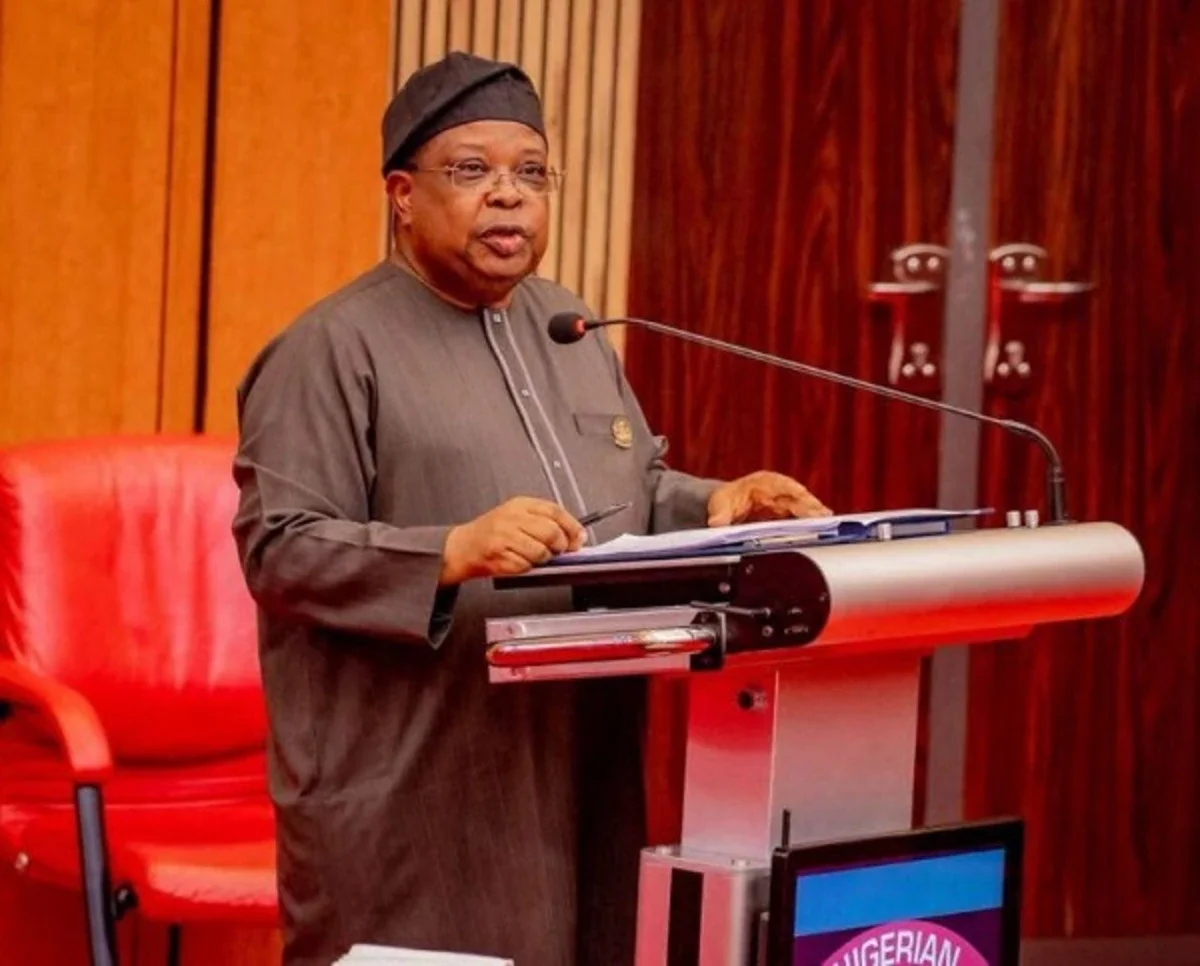
According to the Ministry of Works, the contracts include the reconstruction of the Mando–Birnin Gwari Road in Kaduna State, the dualisation of the Ibadan–Ijebu Ode Road connecting Oyo and Ogun states, and two major highway projects linking Osun and Oyo states. Minister of Works David Umahi stated that the projects are designed to improve mobility, strengthen regional integration and support long-term economic growth.
Breakdown of the Approved Road Contracts
The largest allocation under the latest approvals is the dualisation of the Ibadan-Ijebu Ode Road, awarded to JRB Construction Company Limited at a contract sum of approximately ₦295.9 billion. The project spans about 114.5 kilometres and is expected to improve movement between Oyo and Ogun states while enhancing access to major commercial and agricultural corridors in the South-West.
In Kaduna State, the Federal Government awarded a ₦178.1 billion contract to J. Patel and Sons Nigeria Limited for the reconstruction of the 122-kilometre Mando–Birnin Gwari Road. The route serves as a critical transport corridor linking communities and economic centres in the North-West region.
The government also approved two major road projects in Osun State. Truecrete Solutions Limited secured a ₦101.8 billion contract for the Osogbo–Ikirun–Akoda Road, covering approximately 70 kilometres. In addition, Peculiar Ultimate Concerns Limited received a ₦114.8 billion contract for the construction of the 73-kilometre Osogbo–Iwo–Ibadan Road, which connects Osun and Oyo states.
Combined, the four contracts amount to roughly ₦690.8 billion, according to figures released during the signing ceremony at the Federal Ministry of Works headquarters in Mabushi, Abuja.
Government Emphasises Durable Infrastructure Delivery
The Ministry of Works stated that all awarded projects will utilise Continuously Reinforced Concrete Pavement (CRCP) technology. Officials argue that the construction method offers greater durability and lower long-term maintenance costs compared to conventional asphalt-based systems.
Umahi described the projects as strategic national infrastructure investments intended to improve transportation efficiency and support economic activities across multiple regions. The ministry also indicated that stronger project monitoring and quality assurance mechanisms would accompany implementation.
Permanent Secretary of the Ministry of Works, Rafiu Adeladan, noted that the contract signing marked the formal commencement of execution phases after the completion of procurement processes. He added that the ministry would prioritise timely delivery and compliance with approved engineering standards.
Infrastructure Push Aligns With Broader Economic Strategy
The latest road awards form part of a wider federal infrastructure strategy tied to the administration’s economic development agenda. In recent months, the government has approved multiple highway and transport projects aimed at improving logistics efficiency, reducing travel times and supporting interstate commerce.
Analysts continue to identify transport infrastructure as a key constraint to productivity and housing expansion in Nigeria. Improved road connectivity often supports urban growth, lowers supply chain costs and increases access to peri-urban land suitable for residential and industrial development.
The Ibadan–Ijebu Ode corridor, for example, plays a strategic role in linking major economic hubs in the South-West. Improved access along the route could strengthen trade flows between inland commercial centres and coastal logistics networks. Similarly, enhanced connectivity in Kaduna and Osun states may improve access for agricultural producers and regional businesses.
The Federal Government has also continued to expand its portfolio of legacy infrastructure projects, including sections of the Lagos-Calabar Coastal Highway and the Sokoto-Badagry Superhighway.
Investor Interest in Tolling and Infrastructure Financing
Beyond direct government funding, officials have indicated growing private-sector interest in tolling and infrastructure financing models tied to major highway developments. Umahi recently disclosed that investors are exploring opportunities to participate in refund and tolling arrangements connected to some of the administration’s flagship road projects.
Public-private financing structures are increasingly becoming part of Nigeria’s long-term infrastructure strategy as authorities seek to address funding gaps while accelerating project delivery. However, infrastructure financing remains closely watched by investors and policy analysts due to concerns around execution timelines, fiscal sustainability and transparency.
Outlook for Nigeria’s Transport Infrastructure Sector
Nigeria’s road infrastructure deficit remains one of the country’s largest development challenges. According to government estimates, significant investment is required to rehabilitate ageing transport corridors and expand connectivity between major economic zones.
The latest contract awards signal continued federal commitment to large-scale infrastructure spending despite fiscal pressures and rising construction costs. For policymakers and investors, the effectiveness of project execution, funding continuity and maintenance planning will likely determine the long-term economic value of these investments.
If completed on schedule, the newly approved projects could improve regional mobility, stimulate commercial activity and support broader economic integration across several states.
READ MORE