Onoh Blames Illegal Waterway Development for Rising Flooding in Abuja
Calls Grow for Federal Action as Flooding Worsens Across Abuja
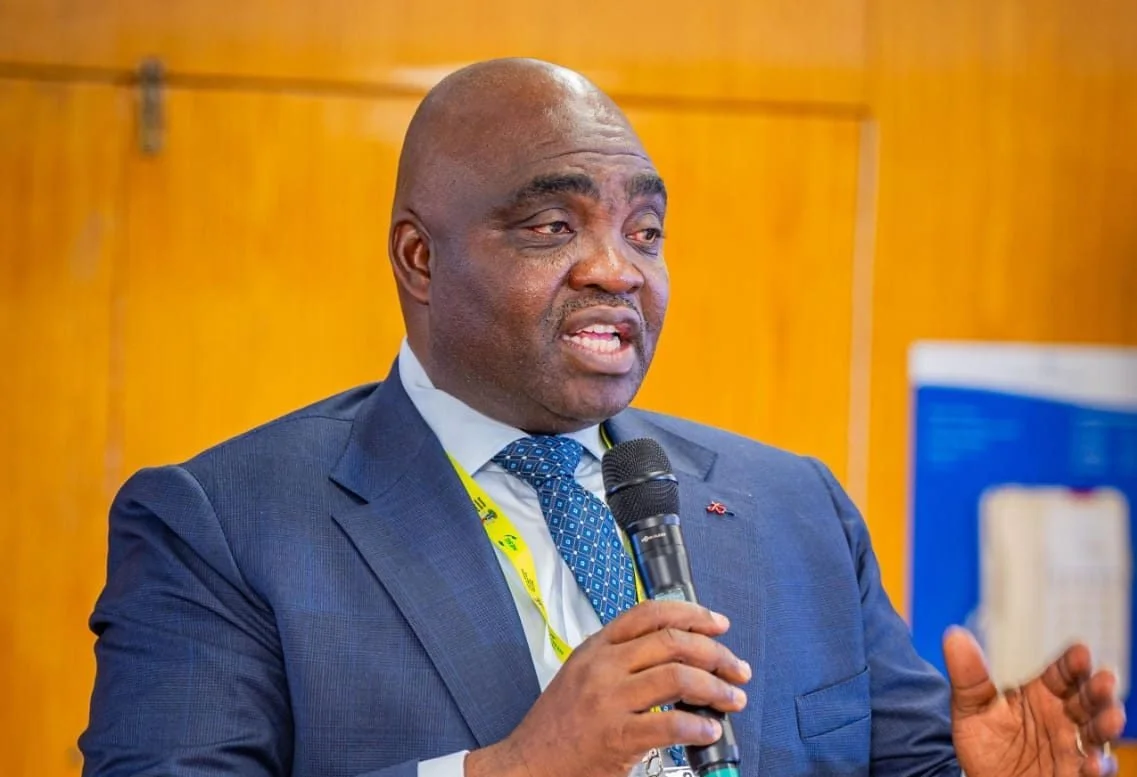
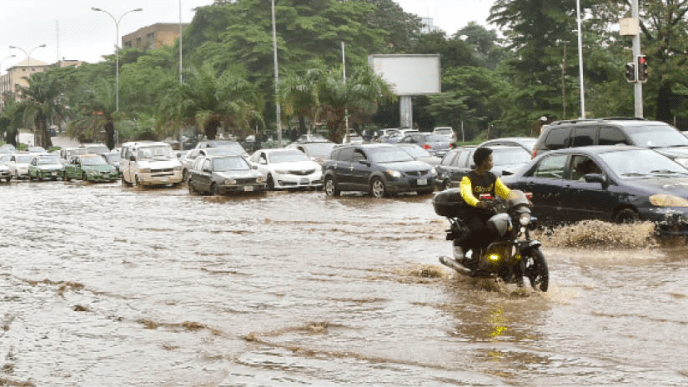
Growing flooding incidents across Abuja have renewed concerns over illegal developments along waterways and weak urban planning enforcement within Nigeria’s Federal Capital Territory (FCT), with former presidential aide Reno Onoh calling for immediate federal intervention to prevent further environmental and infrastructure damage.
Onoh stated that the increasing frequency and severity of flooding in parts of Abuja are directly linked to uncontrolled construction activities on natural drainage channels and waterways. He urged authorities to enforce urban planning regulations more aggressively and remove structures obstructing flood pathways.
/ You Might Also Like /




His comments come amid repeated flood incidents affecting residential communities, roads, and businesses across sections of the capital during the ongoing rainy season.
Illegal Waterway Encroachment Under Scrutiny
According to Onoh, illegal property developments along floodplains and water channels have significantly weakened Abuja’s natural drainage capacity.
He argued that unregulated urban expansion and disregard for approved land-use plans continue to increase flood vulnerability across the city.
Environmental experts have consistently warned that encroachment on waterways reduces water absorption capacity and disrupts drainage systems, leading to flash flooding during periods of intense rainfall.
Several districts within the FCT, including Lokogoma, Lugbe, Trademore Estate, and parts of Kubwa, have experienced repeated flooding incidents in recent years linked to poor drainage infrastructure and rapid urban expansion. (guardian.ng)
Urban planners note that Abuja’s rapid population growth has intensified pressure on land use, often resulting in informal or poorly regulated developments within environmentally sensitive areas.
Calls for Stronger Urban Planning Enforcement
Onoh called on the Federal Capital Territory Administration (FCTA) and relevant federal agencies to prioritise enforcement of building regulations and environmental laws.
He stressed that authorities must identify and demolish structures obstructing waterways while improving monitoring systems to prevent future illegal developments.
According to him, failure to act decisively could expose more communities to recurring humanitarian and economic losses linked to seasonal flooding.
Urban development specialists argue that enforcement gaps remain one of the largest obstacles to sustainable city planning across several Nigerian urban centres. Weak compliance systems, political interference, and inadequate monitoring have often undermined building control measures and land-use regulations.
Flooding Increasingly Linked to Climate and Infrastructure Pressures
The Abuja flooding concerns also reflect broader environmental challenges associated with climate variability, rapid urbanisation, and ageing infrastructure systems.
Nigeria has experienced increasing flood-related disasters in recent years, with heavy rainfall frequently overwhelming drainage networks and displacing thousands of residents across multiple states.
The National Emergency Management Agency (NEMA) has repeatedly warned flood-prone communities to adopt precautionary measures ahead of peak rainfall periods while encouraging local governments to improve drainage maintenance and environmental monitoring.
Climate experts note that changing rainfall patterns linked to global climate change are increasing the intensity of flash floods in densely populated urban areas with inadequate drainage systems.
Research by the Nigerian Meteorological Agency (NiMet) has also projected higher flood risks across several states during the 2026 rainy season. (nimet.gov.ng)
Infrastructure Deficits Worsen Urban Flooding
Analysts say inadequate infrastructure investment continues to compound flood risks within Abuja and other major Nigerian cities.
Many drainage systems across rapidly expanding districts were originally designed for lower population densities and are now unable to accommodate current stormwater volumes during heavy rainfall events.
Blocked drainage channels, indiscriminate waste disposal, road construction deficiencies, and insufficient stormwater management systems have further increased flood vulnerability.
Residents in several flood-prone communities have repeatedly complained about poor drainage maintenance and delayed government response during flood emergencies.
The FCTA has initiated selected flood-control and drainage expansion projects in recent years, particularly within vulnerable districts. However, experts argue that infrastructure upgrades have not kept pace with the scale of urban expansion occurring across the capital.
Real Estate and Housing Concerns Emerge
The flooding crisis has also raised concerns within Abuja’s real estate sector as environmental risks increasingly influence property values, insurance costs, and investment decisions.
Developers and property buyers are becoming more cautious about projects located near flood-prone corridors and poorly drained districts.
Real estate analysts note that climate resilience and environmental sustainability are becoming increasingly important considerations within urban housing and infrastructure development across Africa.
The recurring flood incidents have also intensified calls for stricter environmental impact assessments before approval of large residential and commercial developments.
Stakeholders Seek Coordinated Government Response
Urban planning experts argue that addressing Abuja’s flooding challenges will require coordinated action involving federal agencies, environmental authorities, urban planners, developers, and local communities.
Stakeholders have called for expanded drainage infrastructure, stricter land-use enforcement, floodplain protection, and improved urban resilience planning capable of accommodating future population growth.
Experts also emphasise the importance of public awareness campaigns aimed at discouraging illegal dumping and encroachment on drainage systems.
As Abuja continues to expand rapidly, analysts warn that sustainable urban planning and environmental management will become increasingly critical to protecting infrastructure, housing assets, and public safety from worsening climate-related risks.
READ MORE