Improved LPG Supply Drives Cooking Gas Prices Down to ₦1,500/kg
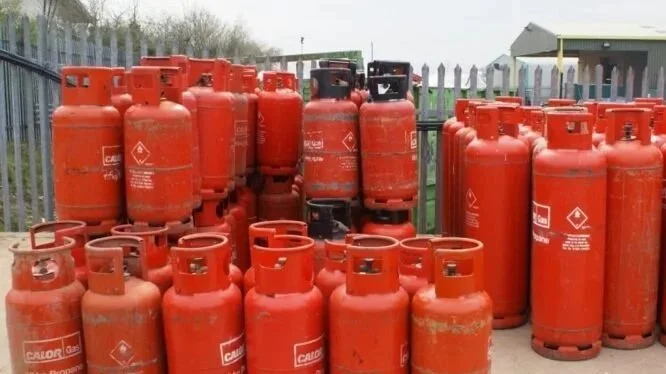
Cooking Gas Prices Fall as Supply Conditions Improve Across Nigeria
Cooking gas prices have declined from about ₦2,200 per kilogramme to approximately ₦1,500 per kilogramme in several parts of Nigeria following improvements in Liquefied Petroleum Gas (LPG) supply and ongoing government interventions aimed at stabilising the market.
The price reduction comes after weeks of significant volatility that saw cooking gas prices surge to as high as ₦2,500 per kilogramme in some locations due to supply shortages, logistics challenges, and foreign exchange pressures. Industry stakeholders say recent improvements in product availability have begun to ease pressure on retail prices.
/ You Might Also Like /




Increased Supply Supports Market Stability
Recent data from the Nigerian Midstream and Downstream Petroleum Regulatory Authority (NMDPRA) shows that LPG supply into the domestic market improved significantly during June. Average daily supply increased to about 5,040 metric tonnes, compared with 4,262 metric tonnes recorded in May 2026. The regulator also reported an improvement in national stock sufficiency from 11 days to approximately 22 days following engagements with producers, terminal operators, and marketers.
The increase in supply has been supported by both domestic production and additional imports by marketers seeking to address shortages that contributed to recent price spikes. According to industry reports, more LPG cargoes have entered the market in recent weeks, helping to improve availability across major consumption centres.
Government Intervention Begins to Yield Results
The Federal Government has intensified efforts to stabilise the LPG market by engaging producers, marketers, and regulators. Authorities have directed that locally produced LPG should prioritise domestic consumption before exports, while marketers have been encouraged to increase imports to bridge supply gaps.
The Minister of State for Petroleum Resources (Gas), Ekperikpe Ekpo, previously attributed the surge in cooking gas prices to foreign exchange volatility, infrastructure limitations, rising logistics costs, and fluctuations in international LPG prices. Government officials maintain that ongoing reforms are designed to improve supply resilience and moderate prices over time.
Relief for Households and Businesses
The decline in cooking gas prices offers some relief to households and small businesses that have faced rising energy costs over the past year. Many Nigerians had been forced to reduce consumption or switch to alternative fuels such as charcoal and firewood as LPG prices climbed sharply.
Industry stakeholders note that lower LPG prices could help ease pressure on household budgets, particularly at a time when consumers continue to contend with broader inflationary challenges. Affordable access to clean cooking energy also supports environmental sustainability objectives by reducing dependence on traditional biomass fuels.
Implications for Housing and Urban Living
For the housing sector, energy affordability remains an important component of overall living costs. Lower cooking gas prices can improve household spending capacity and reduce the cost burden associated with urban living.
As Nigeria continues to promote cleaner energy adoption, stable LPG pricing is expected to support greater utilisation of modern cooking fuels, particularly in growing urban centres where housing affordability and living expenses remain major concerns.
Outlook
Market participants expect prices to remain under pressure if current supply improvements are sustained. Industry groups have indicated that further investments in storage infrastructure, distribution networks, and domestic production capacity could support additional price moderation in the coming months. Some stakeholders have projected that cooking gas prices could decline further if government reforms and supply expansion efforts continue to gain traction.
Conclusion
The decline in cooking gas prices from approximately ₦2,200/kg to ₦1,500/kg reflects improving supply conditions and the impact of ongoing interventions within Nigeria's LPG market. While challenges remain, the development offers welcome relief for households and businesses and highlights the importance of supply chain efficiency in maintaining energy affordability.
READ MORE