Oil Marketers Urge Refiners to Cut Petrol Prices as Crude Oil Declines
Oil Marketers Push for Cheaper Petrol as Global Oil Market Softens
Oil marketers have urged refiners, depot owners and fuel importers to reduce petrol prices in line with recent declines in global crude oil prices, arguing that consumers should benefit from lower input costs. The call comes as international oil prices soften after recent volatility, raising expectations of relief for motorists and businesses facing elevated transportation and energy expenses.
/ You Might Also Like /



The Petroleum Products Retail Outlets Owners Association of Nigeria (PETROAN) said market realities should be reflected in both ex-depot and retail pump prices to ensure fairness and support economic recovery.
PETROAN Pushes for Price Adjustments
According to PETROAN President Billy Gillis-Harry, the recent downward movement in crude oil prices provides an opportunity for operators across the downstream petroleum sector to review pricing structures. He stated that reductions in crude acquisition costs should ultimately translate into lower prices for consumers purchasing petrol across the country.
The association stressed that transparent pricing remains essential in a deregulated market environment where pump prices are expected to respond to changes in global oil prices.
Expectations of Consumer Relief
The appeal follows growing public attention on the relationship between international crude prices and domestic fuel costs. Industry stakeholders argue that when crude oil prices rise, refiners and marketers often adjust prices upward. Consequently, many consumers expect similar adjustments when global oil prices decline.
PETROAN noted that reflecting lower crude costs in petrol pricing would provide much-needed relief to households and businesses facing rising living and operating expenses.
Recent Market Developments
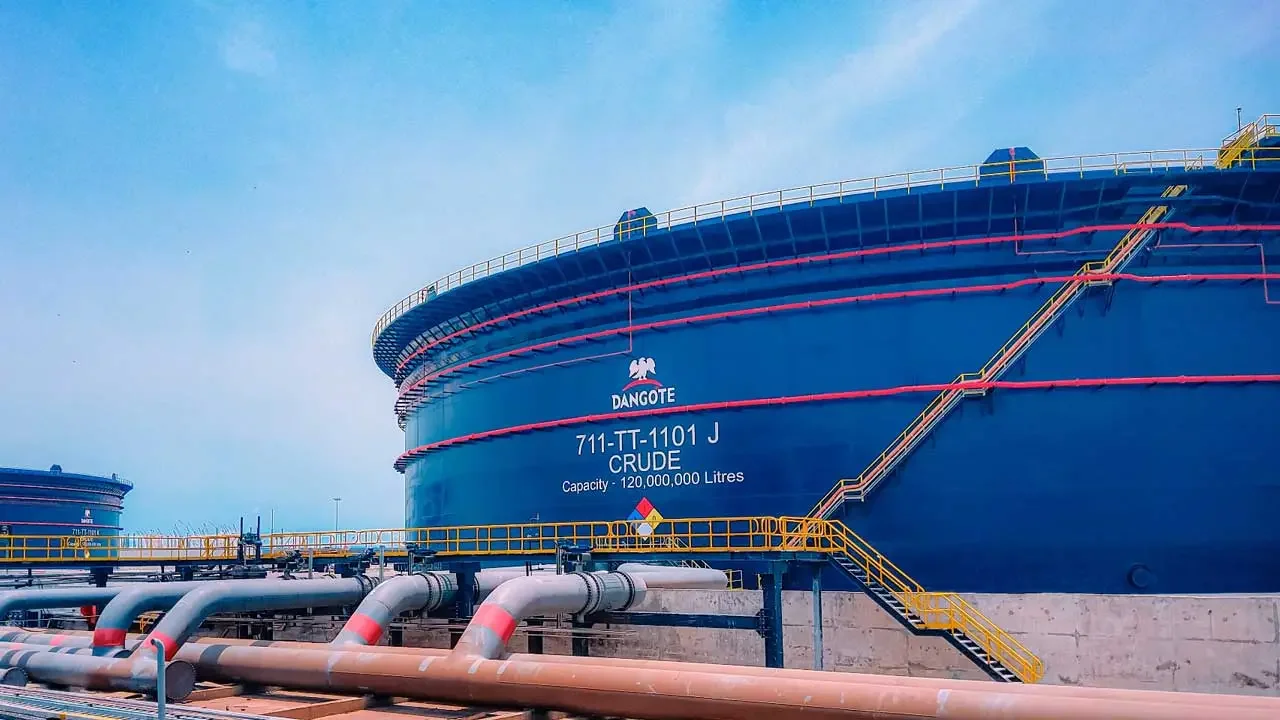
Recent movements in the downstream market have already signalled the possibility of lower fuel prices. Dangote Refinery recently reduced its gantry price for petrol, while several depot operators also adjusted ex-depot rates downward following a decline in crude oil prices. Industry observers say these developments could create room for further reductions at retail outlets if the trend persists.
Market analysts note that pricing adjustments may not always occur immediately because refiners and marketers often sell products purchased when crude prices were higher. However, sustained declines in crude oil prices generally create conditions for lower fuel costs over time.
Implications for Inflation and Economic Activity
Fuel prices remain a critical factor in Nigeria's economy due to their impact on transportation, logistics and production costs. Lower petrol prices could help ease inflationary pressures by reducing the cost of moving goods and services across the country.
For businesses, particularly those dependent on road transportation and self-generated power, lower fuel costs could improve operating margins and support economic activity. Housing developers and construction firms may also benefit from reduced transportation costs for building materials and equipment.
Industry Calls for Market Responsiveness
Stakeholders continue to emphasise the importance of allowing market conditions to determine fuel prices under Nigeria's deregulated petroleum sector. Industry groups argue that maintaining consumer confidence requires both upward and downward movements in global oil prices to be reflected transparently in domestic fuel costs.
Analysts will be watching closely to see whether refiners, importers and marketers implement further price reductions in the coming weeks if crude oil prices remain on a downward trajectory.
Conclusion
The call by oil marketers for refiners and importers to reduce petrol prices highlights growing expectations that lower global crude oil prices should translate into relief for consumers. As competition intensifies in the downstream sector and crude prices continue to soften, market participants will be monitoring whether pump prices adjust accordingly and provide tangible benefits to households and businesses.
READ MORE