Nigerians Paid ₦208.15 Billion for Electricity in May as DisCos Improve Collections
Power Consumers Paid ₦208 Billion in May as DisCos Raised Revenue Collection
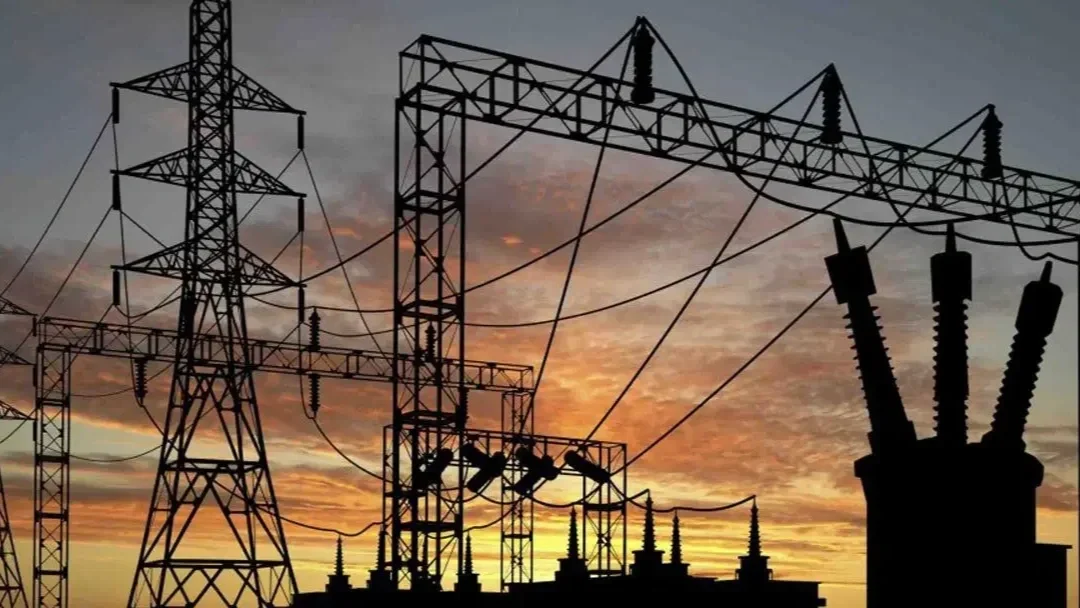
Electricity consumers across Nigeria paid a combined ₦208.15 billion for power supplied in May 2026, as electricity distribution companies (DisCos) improved their revenue collection performance despite a decline in billing efficiency. The figures were contained in the Nigerian Electricity Regulatory Commission (NERC) Commercial Performance Factsheet for May 2026.
/ You Might Also Like /


According to the report, the 11 DisCos received electricity valued at ₦328.95 billion during the month, an increase of 8.58% from April. Of this amount, ₦252.87 billion was billed to customers, resulting in a billing efficiency of 76.87%, down from the previous month. However, collection efficiency improved to 82.32%, enabling the DisCos to recover ₦208.15 billion from consumers.
Revenue Collection Improves
NERC reported that the industry's revenue recovery efficiency reached 77.31% in May, reflecting the proportion of allowable revenue successfully recovered by electricity distributors.
Among the distribution companies, Ikeja Electric recorded the highest revenue recovery efficiency at 94.63%, followed by Eko DisCo with 91.54% and Abuja DisCo with 84.84%. Other distributors, including Port Harcourt, Benin, Enugu, Ibadan and Yola DisCos, recorded lower recovery rates.
Implications for Housing and Real Estate
Electricity remains one of the most important determinants of housing quality and property investment in Nigeria.
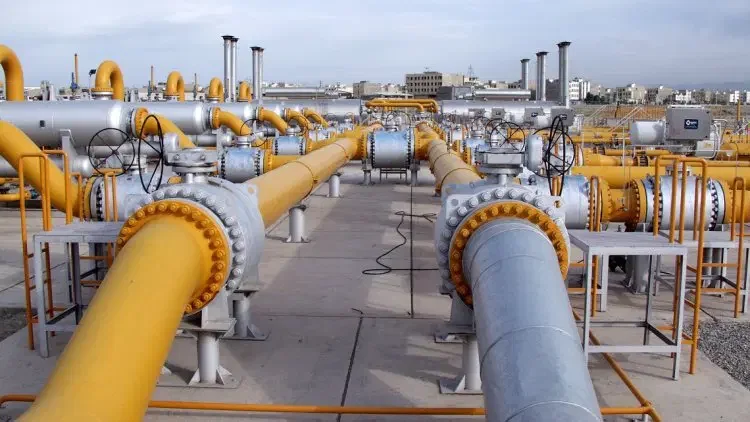
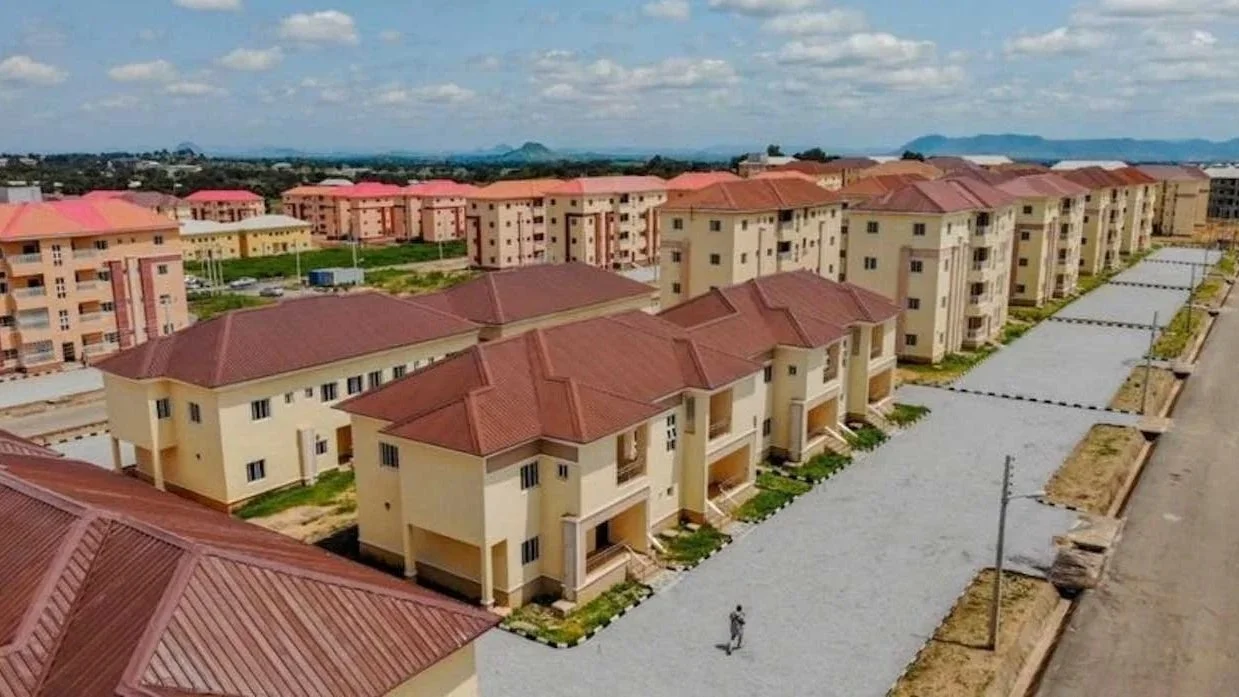
Improved revenue collection can strengthen the financial position of electricity distributors, enabling greater investment in network upgrades and service delivery. More reliable electricity supply reduces operating costs for residential estates, commercial properties and construction projects, while also enhancing the attractiveness and value of real estate developments.
For developers and homeowners, sustained improvements in the power sector could reduce dependence on diesel generators and improve the viability of new housing projects.
Why It Matters
A financially healthier electricity sector is critical to Nigeria's infrastructure development agenda. Stronger revenue collection enhances the capacity of DisCos to maintain and expand electricity networks, supporting economic activity across multiple sectors.
For the housing industry, stable electricity supply remains essential for improving living standards, attracting investment and supporting sustainable urban development.
Outlook
While the improvement in revenue collection is encouraging, the decline in billing efficiency indicates that operational challenges remain. Future progress will depend on continued investments in metering, network infrastructure and customer service, alongside regulatory reforms aimed at improving power supply reliability and the financial sustainability of the electricity market.
READ MORE