NESG Reports Rising Business Confidence Despite High Operating Costs
Business Confidence Improves as Nigerian Firms Navigate Rising Costs
Nigeria's business environment recorded stronger expansion in July 2026, with the Nigerian Economic Summit Group (NESG) reporting improved business confidence despite mounting operating costs and persistent structural challenges. According to the August 2026 Business Confidence Monitor (BCM), the Current Business Performance Index rose to 108.6 points, up from 104.6 points in June, reflecting stronger business activity across most sectors of the economy.
/ You Might Also Like /


The report attributed the improvement to broad-based expansion led by the non-manufacturing sector. Key indicators including production, demand conditions, operating profit, financial results, employment, cash flow and access to credit remained in expansion territory, signalling continued resilience among Nigerian businesses.
Cost Pressures Continue to Challenge Businesses
Despite the improved business sentiment, the NESG warned that significant obstacles remain.
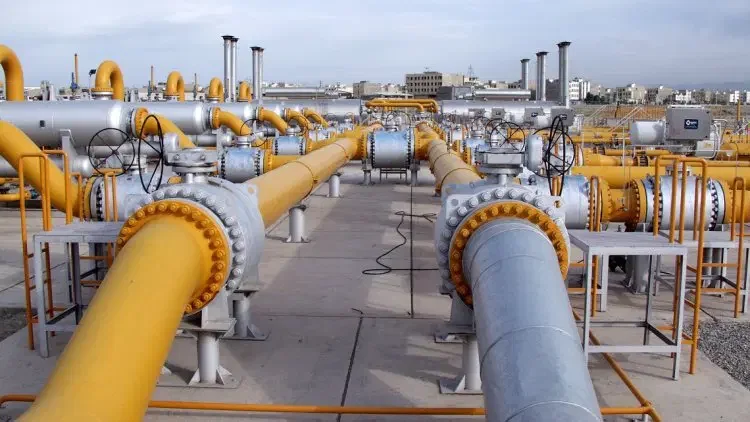
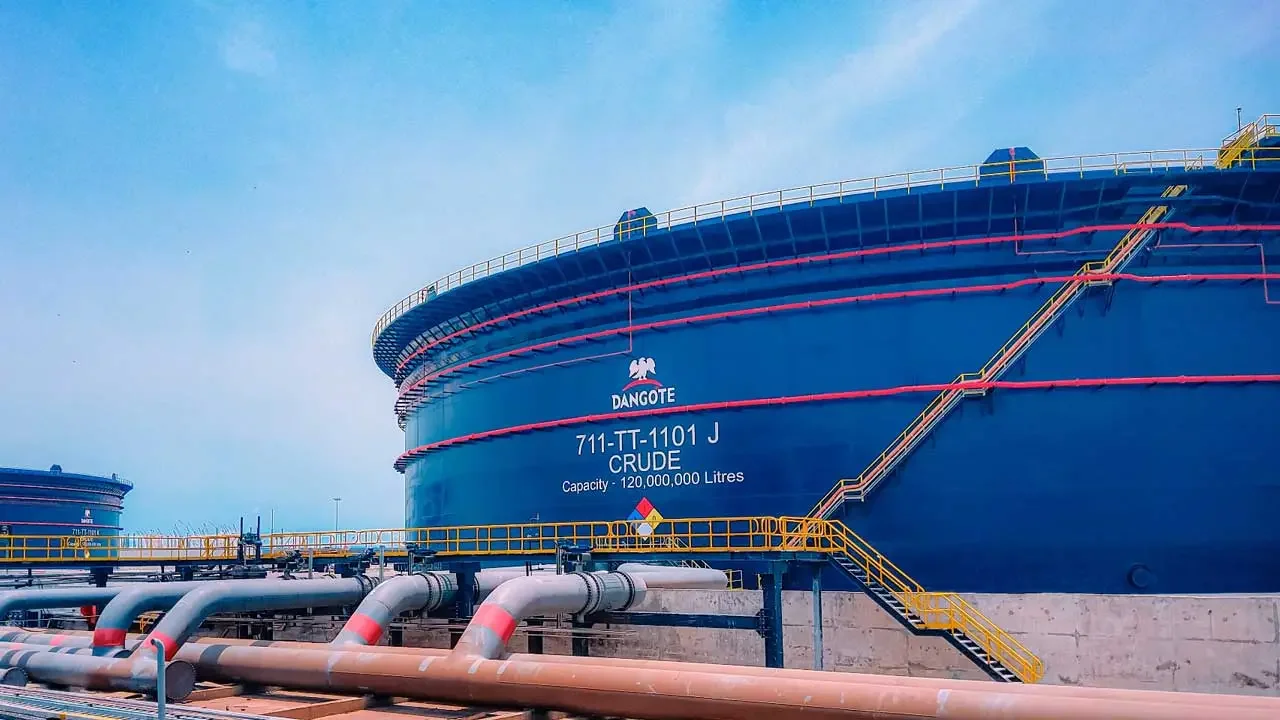
The report identified high energy prices, limited access to finance, infrastructure deficiencies, insecurity and rising rental costs as major constraints affecting business operations. It also noted that while access to credit improved marginally, investment activity remained weak, suggesting that businesses are still cautious about expanding operations.
Looking ahead, the Future Business Expectations Index stood at 128.3 points, indicating continued optimism but at a slightly slower pace than the previous month. The NESG cautioned that recent developments, including higher energy costs, could weigh on business performance in the months ahead.
Implications for Housing and Real Estate
The findings have direct implications for Nigeria's housing and property market.
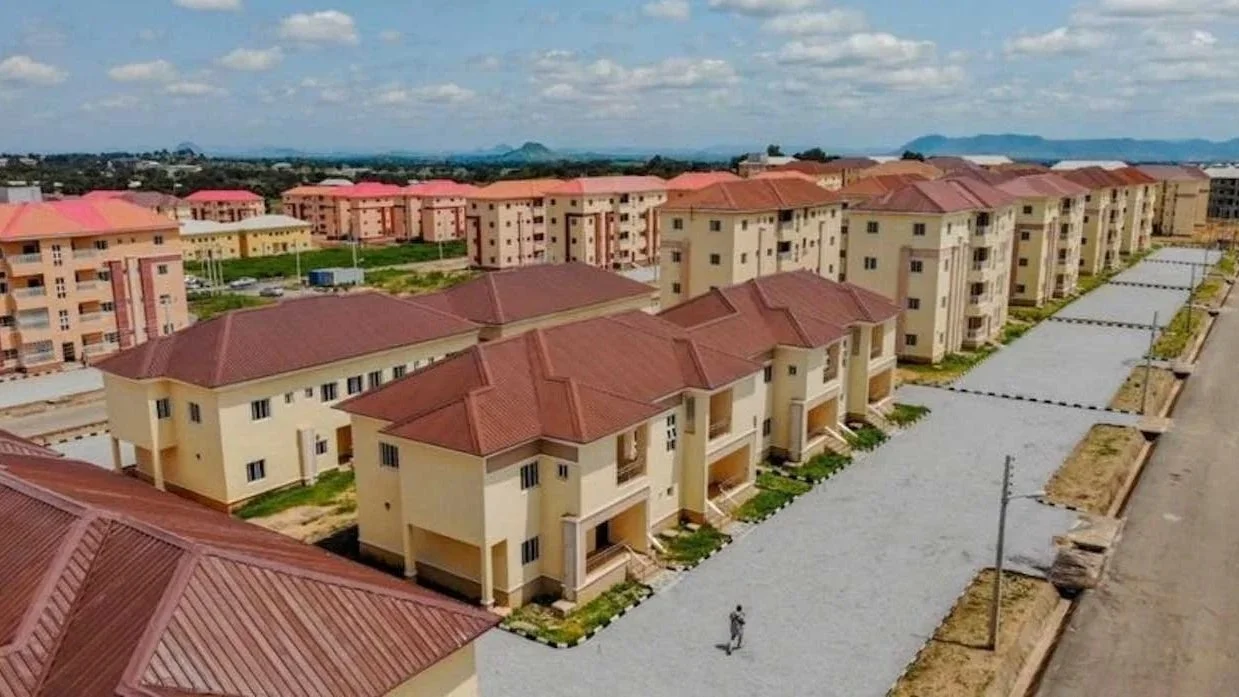
Improved business confidence generally supports investment in commercial real estate, residential development and construction. However, the report's concerns over high rental costs, energy prices and limited financing highlight the challenges developers, contractors and property investors continue to face.
Higher operating costs can increase construction expenses, delay project delivery and reduce affordability, while stronger business sentiment may encourage renewed private-sector investment if macroeconomic conditions continue to improve.
Why It Matters
Business confidence is a key indicator of investment appetite and economic activity. A sustained improvement could stimulate demand for office space, industrial facilities, logistics hubs and residential developments, creating opportunities across the real estate value chain.
However, resolving structural issues such as energy shortages, infrastructure gaps and access to affordable finance will remain essential to sustaining growth in both the broader economy and Nigeria's housing sector.
Outlook
The NESG expects business activity to remain positive in the near term but warns that elevated operating costs and structural bottlenecks could moderate growth if left unaddressed. Continued policy reforms aimed at improving infrastructure, expanding access to finance and reducing energy costs will be critical to maintaining investor confidence and supporting long-term growth in housing, construction and real estate.
READ MORE