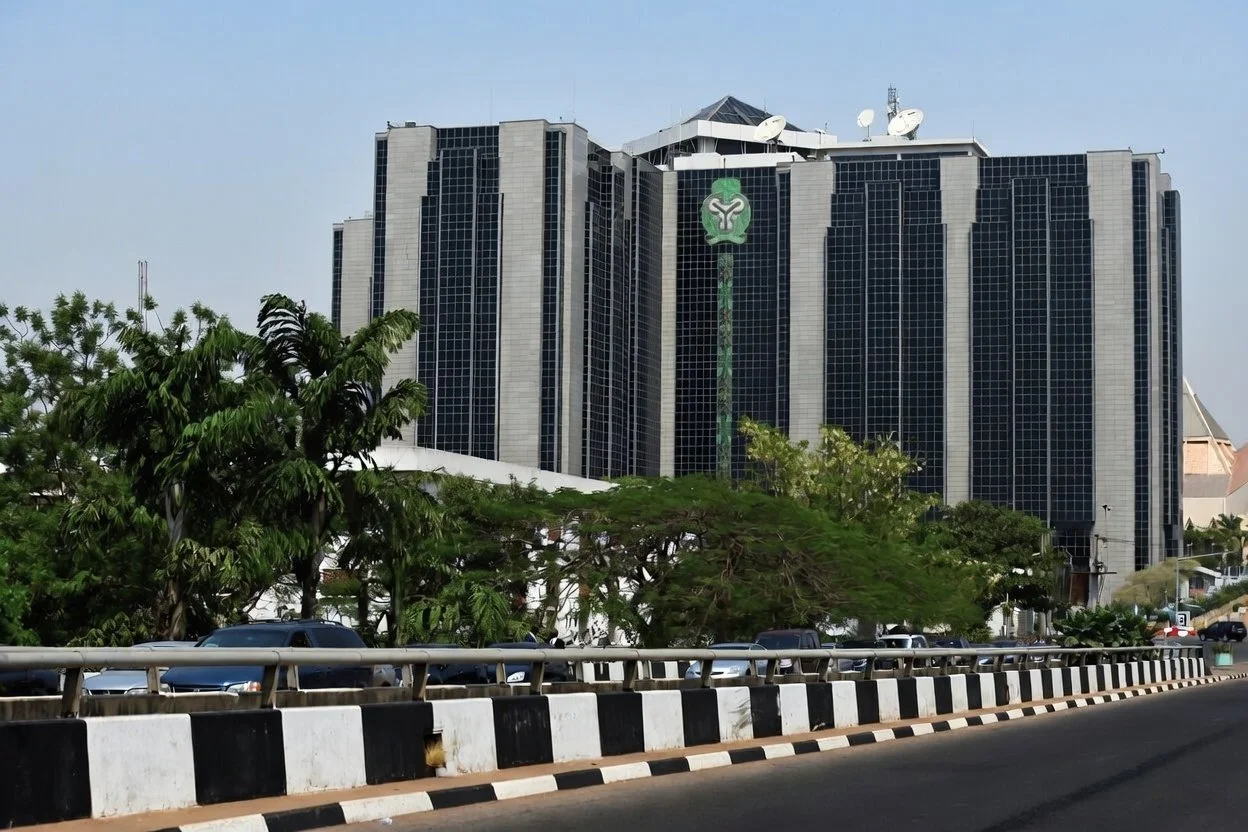
Nigeria’s Foreign Reserves Rise to $51.04 Billion, Highest in 17 Years

CBN Reserves Climb to 17-Year Peak Amid Improved FX Inflows
Nigeria’s foreign reserves have climbed to $51.04 billion, marking the highest level recorded in 17 years and strengthening the country’s external financial position. The increase reflects improved foreign exchange inflows, stronger external earnings and ongoing economic reforms aimed at enhancing macroeconomic stability and investor confidence. According to data reported by Nairametrics, the latest reserve position represents a significant milestone for Africa’s largest economy as policymakers seek to stabilise the foreign exchange market and strengthen external buffers
/ You Might Also Like /




Stronger External Buffers Support Economic Stability
Foreign reserves serve as a critical safeguard for economies by helping central banks manage exchange rate pressures, meet external obligations and cushion against global economic shocks.
The rise to $51.04 billion provides Nigeria with a stronger financial buffer at a time when global markets continue to face uncertainty from geopolitical tensions, commodity price fluctuations and changing monetary conditions. A healthier reserve position can also improve confidence among international investors and credit rating agencies.
Analysts note that stronger reserves enhance the country’s capacity to support foreign exchange liquidity and maintain stability within the financial system.
Improved FX Inflows Drive Reserve Growth
The increase in reserves has been linked to improved foreign exchange inflows from multiple sources, including oil exports, portfolio investments, remittances and other external earnings.
Recent reforms in Nigeria’s foreign exchange market have also contributed to improved transparency and greater participation by foreign investors. These measures have helped strengthen liquidity and reduce distortions within the FX market.
The stronger reserve position reflects broader efforts by monetary authorities to rebuild confidence in the economy and improve access to foreign exchange.
Implications for Investors and Businesses
A larger reserve base can have positive implications for businesses, investors and the broader economy.
For investors, higher reserves often signal greater economic resilience and an improved ability to withstand external shocks. For businesses that rely on imported inputs, stronger reserves can support exchange rate stability and reduce uncertainty surrounding access to foreign currency.
Market participants generally view rising reserves as an indicator of improving macroeconomic fundamentals and stronger external sector performance.
Impact on Housing and Real Estate
Although foreign reserves primarily affect the broader economy, their influence can extend to the housing and real estate sector.
Greater exchange rate stability can help moderate the cost of imported construction materials, machinery and equipment used in property development. Improved investor confidence and stronger macroeconomic conditions can also encourage long-term investments in housing, infrastructure and commercial real estate projects.
Developers and investors typically monitor reserve levels as part of broader assessments of economic stability and investment risk.
Continued Focus on Economic Reforms
The reserve growth comes amid ongoing efforts by policymakers to strengthen Nigeria’s economic fundamentals through fiscal and monetary reforms.
Authorities have emphasised the importance of maintaining external stability, attracting investment and improving foreign exchange earnings as part of broader strategies to support sustainable economic growth. Strong reserves are often viewed as a key component of these objectives.
Analysts will continue to monitor whether reserve accumulation remains sustainable and supported by long-term improvements in exports, investment inflows and economic productivity.
Outlook
With foreign reserves now at their highest level in nearly two decades, attention will turn to how the improved external position influences exchange rate stability, investor sentiment and economic growth prospects.
If reserve growth is sustained, Nigeria could be better positioned to manage external risks, support financial market stability and strengthen confidence among domestic and international investors.
Conclusion
Nigeria’s foreign reserves reaching $51.04 billion represents a significant milestone for the economy and its external sector. The 17-year high underscores the impact of stronger foreign exchange inflows and ongoing reforms aimed at improving macroeconomic stability. As policymakers continue efforts to strengthen the economy, the expanded reserve position provides a larger buffer against external shocks and reinforces confidence in Nigeria’s long-term economic outlook
READ MORE