Lawmaker Says Lagos-Calabar Coastal Highway Quality Has Cleared Initial Doubts
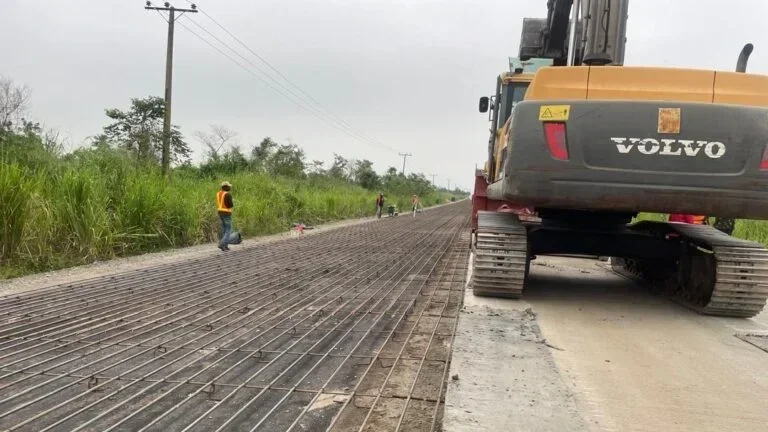
Lawmaker Backs Coastal Highway Project After Site Inspection
The Chairman of the House of Representatives Committee on Interior, Abdullah Ali Ahmed, has said that concerns previously expressed by some lawmakers regarding the Lagos-Calabar Coastal Highway project have been addressed following direct inspections of ongoing construction works. According to the lawmaker, the quality of execution and pace of delivery observed on site have strengthened confidence in the project among members of the National Assembly.
/ You Might Also Like /




The Lagos-Calabar Coastal Highway remains one of Nigeria’s most ambitious infrastructure projects, designed to improve connectivity along the country's coastline while supporting economic growth, trade and regional integration.
Inspection Reinforces Confidence
Ahmed noted that firsthand assessments of the project provided lawmakers with a clearer understanding of the engineering standards being applied. He stated that observations from the inspection helped dispel doubts that had emerged during the early stages of the project.
According to him, the construction quality, project planning and progress achieved so far demonstrate the government's commitment to delivering a durable and economically significant transportation corridor.
Strategic Importance of the Coastal Highway
The Lagos-Calabar Coastal Highway is expected to connect several coastal states, improve logistics efficiency and create new opportunities for trade, tourism and industrial development. The project is also expected to enhance access to emerging economic corridors while supporting long-term regional development objectives.
Government officials have repeatedly described the highway as a transformational infrastructure investment capable of stimulating economic activity across multiple sectors and attracting private investment along the route.
Implications for Housing and Urban Development
Beyond transportation benefits, large-scale infrastructure projects often influence housing and real estate markets by opening new development corridors and improving accessibility.
Urban planners and property developers have noted that improved road connectivity can stimulate residential, commercial and industrial investments in previously underserved locations. Infrastructure-led growth frequently increases land values and encourages new housing developments around strategic transport routes.
For Nigeria’s housing sector, the coastal highway could contribute to the expansion of urban centres and support future residential and mixed-use developments along the corridor.
Government Reaffirms Commitment
The Federal Ministry of Works has consistently maintained that the project is being executed according to approved engineering specifications and international standards. Officials have also emphasised the importance of delivering the project within established timelines while maintaining quality benchmarks.
The endorsement from lawmakers is expected to strengthen public confidence in the project as construction progresses across various sections of the route.
Outlook
As work continues on the Lagos-Calabar Coastal Highway, stakeholders will closely monitor construction progress, economic impact and the project's contribution to regional development. Successful delivery could significantly improve transportation efficiency, support new investments and reshape development patterns across Nigeria's coastal corridor.
Conclusion
The latest assessment from National Assembly representatives suggests growing confidence in the Lagos-Calabar Coastal Highway project. With lawmakers citing satisfactory construction quality and progress, attention is now shifting toward timely completion and the long-term economic benefits expected from one of Nigeria’s largest infrastructure investments.
READ MORE