Experts Warn Chinese, Japanese Housing Deals Must Protect Nigerian Developers

Chinese, Japanese Housing Proposals Raise Concerns Over Local Developer Participation
Real estate stakeholders have cautioned that the Federal Government's proposed housing partnerships with Chinese and Japanese firms should be structured to strengthen indigenous developers rather than displace them. While welcoming foreign capital and technical expertise, they argue that the long-term success of the initiatives will depend on local participation, affordable housing delivery and sustainable urban planning.
/ You Might Also Like /


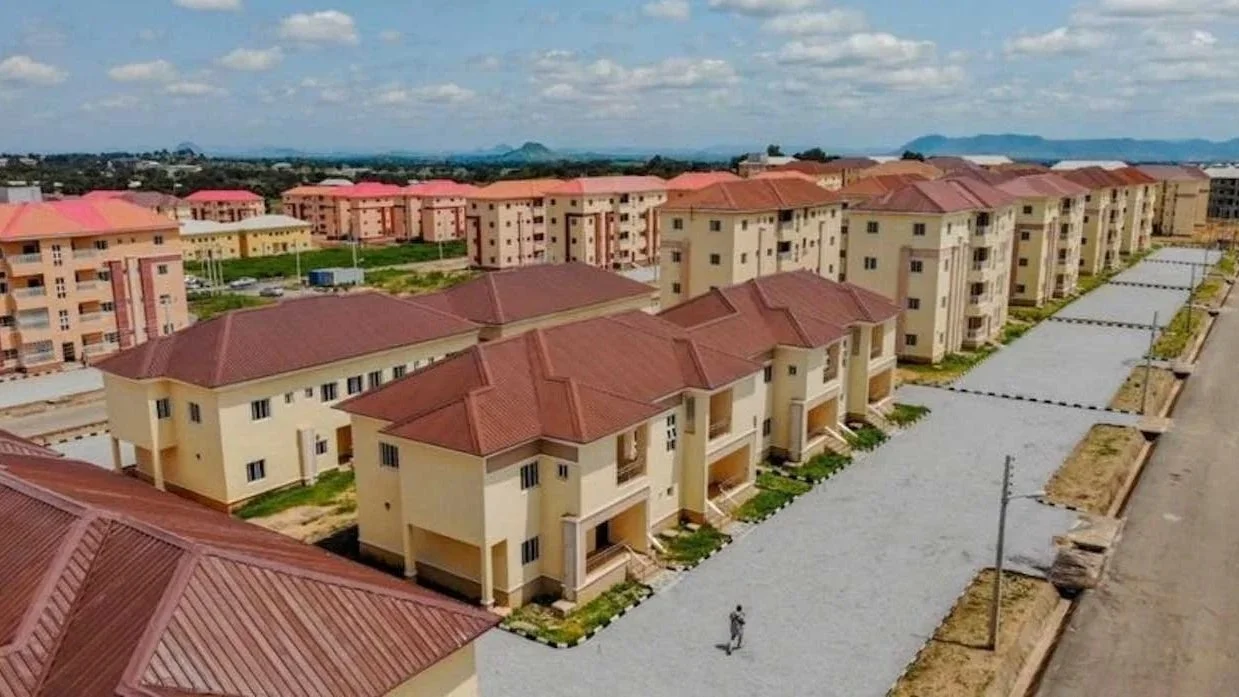

The concerns follow separate proposals by China Hyway Group Limited and Japan's Chodai Company Limited to partner with the Federal Government on mass housing, smart cities and infrastructure projects through public-private partnerships (PPPs).
Financing, Not Capacity, Is the Main Challenge
Property developer Olufemi Adeleke argued that Nigerian developers possess the technical expertise to deliver large-scale housing projects but remain constrained by the high cost of financing.
He noted that foreign firms often access capital at significantly lower interest rates, giving them a competitive advantage. Rather than replacing local developers, he said foreign companies should provide capital, technology and engineering support while indigenous firms lead project execution.
Housing Must Create Complete Communities
Town planner Tpl. Niyi Aderohunmu stressed that success should not be measured solely by the number of housing units delivered.
According to him, new developments must integrate transport links, employment opportunities, schools, healthcare facilities, water, drainage and other essential infrastructure to create sustainable communities rather than isolated housing estates. He also called for clear maintenance plans and long-term governance frameworks for every PPP project.
Affordability Should Remain the Priority
Real estate investment analyst Olabisi Odusanya said the proposed partnerships present an opportunity to expand affordable housing if projects target areas where demand is highest.
She warned that concentrating developments in premium neighbourhoods would do little to address Nigeria's housing deficit. Instead, she urged policymakers to prioritise low- and middle-income communities where housing demand remains strongest.
Implications for Housing and Real Estate
The proposed Chinese and Japanese partnerships could significantly increase housing supply by bringing foreign investment, modern construction technology and project financing into Nigeria's housing sector.
However, if local developers are excluded from project execution, the country could lose opportunities for technology transfer, job creation, skills development and the growth of indigenous construction firms. Well-structured PPPs that combine international expertise with local capacity are more likely to deliver lasting value to the housing market.
Why It Matters
Nigeria faces an estimated housing deficit of between 17 million and 20 million units, with the Federal Government estimating that about 550,000 homes need to be built annually to bridge the gap. Foreign partnerships can accelerate housing delivery, but industry stakeholders say they should complement not replace the domestic real estate ecosystem.
Outlook
As the Federal Government evaluates proposals from Chinese and Japanese partners, attention will focus on how the agreements are structured. Industry experts believe the most successful model will be one that combines foreign investment with strong local participation, delivers affordable homes and creates well-planned communities capable of supporting Nigeria's long-term housing needs.
READ MORE