Nigeria Expands Rural Power Access with 60.82MW Renewable Energy Projects
REA Expands Mini-Grid Network with 60.82MW Renewable Energy Projects
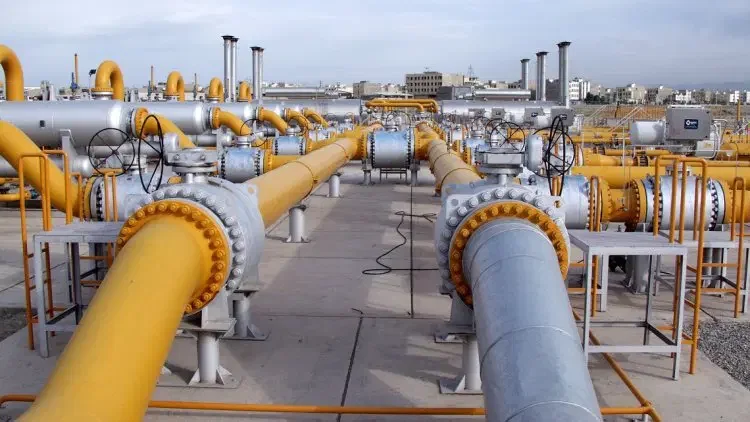
The Federal Government has intensified efforts to expand electricity access by launching renewable energy projects with a combined generation capacity of 60.82 megawatts (MW). The projects, led by the Rural Electrification Agency (REA), are aimed at extending reliable power to underserved communities through interconnected hybrid solar mini-grids and other decentralised energy systems.
/ You Might Also Like /


The latest milestone follows the groundbreaking of a 13.92MWp hybrid solar project in Yobe State, bringing the cumulative capacity of recently launched renewable energy projects across six states to 60.82MW. Earlier projects include mini-grid developments in Kogi, Rivers, Adamawa, Kebbi and Plateau States, with additional renewable energy projects already planned for Yobe.
Expanding Access to Reliable Electricity
According to the REA, the interconnected mini-grids are designed to integrate with existing electricity distribution networks while supplying clean, reliable power to communities that have historically experienced limited grid access.
The agency says the projects will improve electricity supply for households, schools, healthcare facilities and businesses while supporting economic activities in rural areas.
Supporting Housing and Community Development
Reliable electricity remains one of the most critical enablers of sustainable housing development.
Improved power supply can increase the viability of new residential estates, reduce dependence on diesel generators and lower operating costs for homeowners and developers. Electrification also enhances the attractiveness of rural and peri-urban communities for residential investment, helping to unlock new housing opportunities outside major cities.
For affordable housing programmes, access to stable electricity improves living standards and makes completed housing projects more functional and sustainable.
Economic and Infrastructure Benefits
Beyond housing, the renewable energy programme is expected to support small businesses, agro-processing, healthcare delivery and education by providing more dependable electricity.
Government officials believe the projects will stimulate local economies, create jobs and encourage private-sector investment in communities that previously lacked reliable power infrastructure.
Why It Matters
Power infrastructure is a critical component of housing and urban development. Expanding electricity access improves the feasibility of new residential developments, supports construction activity and enhances property values.
For the housing sector, rural electrification can help reduce regional development disparities and encourage investment in emerging growth corridors.
Outlook
With more renewable energy projects in the pipeline, the Federal Government is positioning decentralised power as a key component of Nigeria's infrastructure strategy. If implementation continues as planned, the programme could strengthen rural housing development, improve investor confidence and support more balanced economic growth across the country.
READ MORE