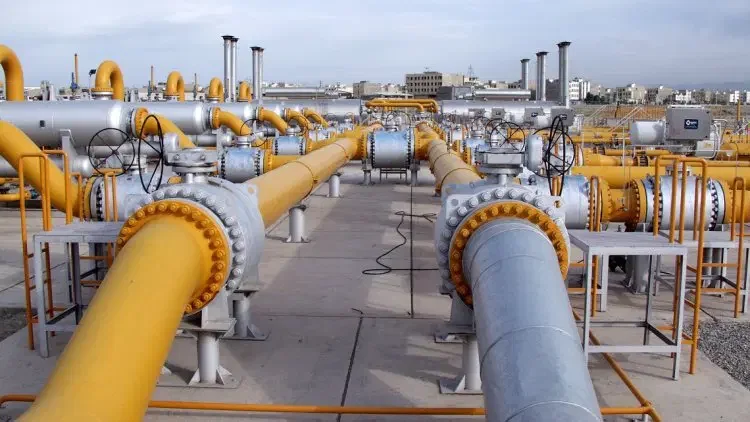
Nigeria’s Gas Export Earnings Rise to $6.22bn, Strengthening Energy Investment Outlook
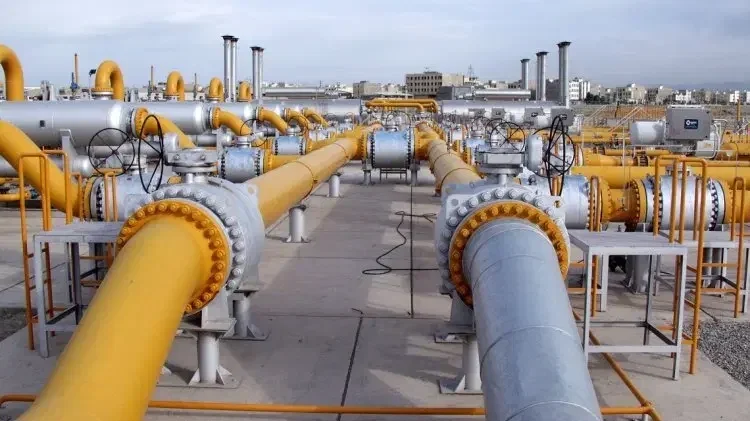
Gas Exports Earn Nigeria $6.22bn in H1 as Second-Quarter Receipts Surge
Nigeria’s gas export earnings rose 4.2% year-on-year to $6.22 billion in the first half of 2026, reinforcing the sector’s growing contribution to the country’s foreign exchange earnings and broader energy economy.
The figure increased from $5.97 billion recorded in the corresponding period of 2025, according to Nairametrics’ analysis of the Central Bank of Nigeria’s Balance of Payments data for the first and second quarters of 2026.
/ You Might Also Like /
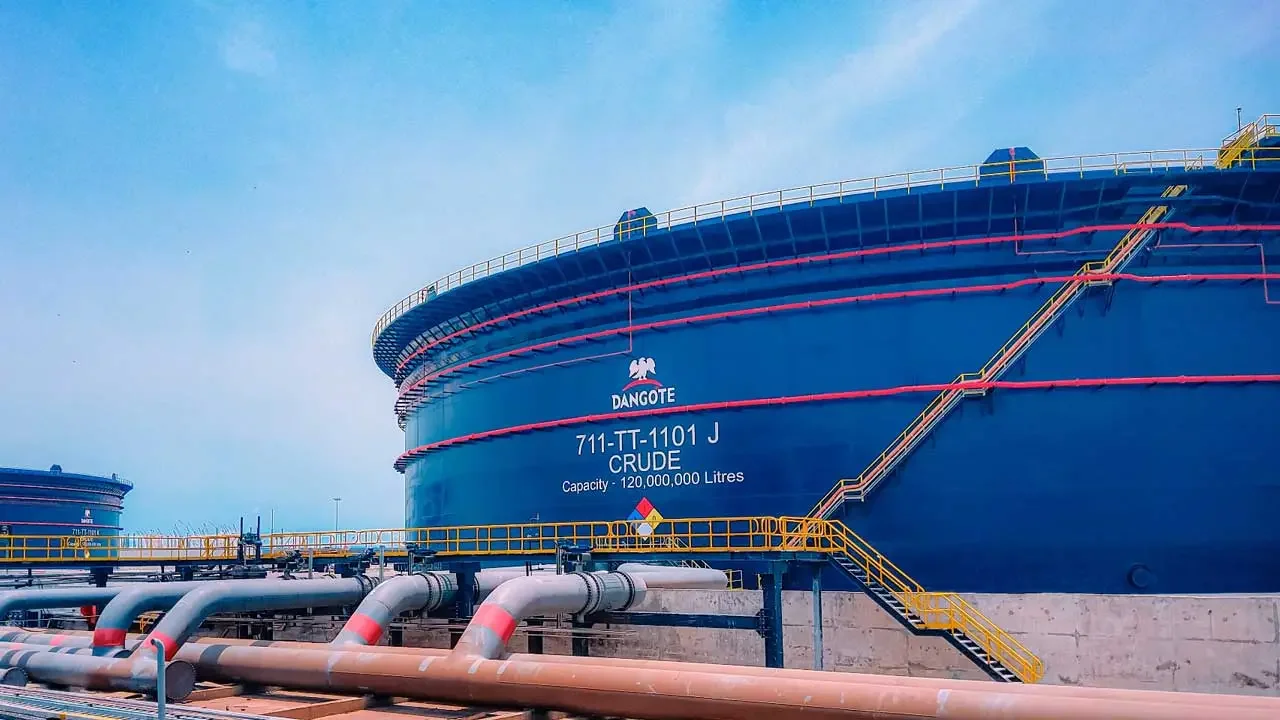



The improvement was driven largely by stronger receipts in the second quarter, when gas exports generated $3.63 billion, up 9.7% from $3.31 billion in Q2 2025.
Q2 Gas Earnings Drive H1 Growth
The first-half performance reflects a significant acceleration between the two quarters.
Gas export earnings stood at $2.59 billion in Q1 2026, slightly below the $2.66 billion recorded a year earlier. However, earnings increased to $3.63 billion in Q2, representing a quarter-on-quarter increase of about 40.2%.
The additional $1.04 billion generated in Q2 more than offset the first-quarter decline and pushed total H1 earnings above the previous year's level.
The stronger second-quarter performance also came amid broader growth in Nigeria's export earnings, highlighting the increasing role of natural gas within the country's external trade profile.
Gas Export Volumes Are Also Increasing
The earnings growth is supported by rising physical gas exports.
NUPRC data analysed by Nairametrics showed that Nigeria's natural gas exports increased 19.25% year-on-year to 733,778 million standard cubic feet (MMSCF) between January and August 2026, compared with 615,370 MMSCF during the same period in 2025.
Nigeria produced about 1.92 million MMSCF of gas during the eight-month period, with domestic sales accounting for 516,780 MMSCF and 525,768 MMSCF used in the field.
The data points to an expanding role for gas in Nigeria's energy and export economy, although production and infrastructure constraints remain important considerations.
Gas Infrastructure Will Determine How Much Value Nigeria Captures
Higher export earnings provide an economic benefit, but sustaining growth will require continued investment across the gas value chain.
Production facilities, gathering systems, processing plants, pipelines, liquefaction infrastructure and export terminals all require substantial capital. The performance of the sector therefore has implications beyond export receipts, extending to infrastructure development and investment in industrial assets.
Nigeria's gas development plans also include efforts to commercialise previously uncommitted reserves. NUPRC has identified more than 55 trillion cubic feet of uncommitted gas reserves under its Gas Development Roadmap, with the objective of attracting investment and accelerating development.
Energy Investment Has Wider Real Estate Implications
The expansion of gas infrastructure can generate demand for several categories of property and supporting infrastructure.
Gas-processing facilities, pipelines, industrial parks, logistics bases, worker accommodation and commercial facilities can all benefit from increased investment around energy-producing and processing locations.
For developers and investors, the most relevant opportunities may emerge in locations where gas infrastructure investment is accompanied by roads, electricity, industrial development and other enabling infrastructure.
This is particularly important because energy projects can stimulate secondary economic activity. Contractors, service companies, logistics operators and equipment suppliers often require offices, warehouses, accommodation and industrial space around major projects.
Gas Earnings Could Support Infrastructure Development
The increase in export earnings also matters for Nigeria's wider infrastructure investment capacity.
Gas remains an important source of foreign exchange at a time when the country is seeking to strengthen external liquidity and diversify its export base. Stronger gas receipts can improve the broader external position, although the direct fiscal impact depends on government revenues, ownership structures, taxes, dividends and other sector-specific arrangements.
The relationship between energy earnings and infrastructure investment is therefore not automatic. Converting stronger export performance into broader economic and property-market benefits will depend on how effectively investment is channelled into productive infrastructure.
Gas Flaring Remains a Constraint
The expansion of gas exports has occurred alongside continued gas flaring.
NUPRC data show that Nigeria flared 131,564 MMSCF of gas between January and August 2026. August recorded the highest monthly flaring volume so far this year at 18,350.55 MMSCF, equivalent to 7.48% of total gas production for the month.
Reducing flaring and increasing the amount of gas available for commercial use could improve the efficiency of the country's gas resources.
For investors, this also underscores the importance of gathering, processing and transportation infrastructure capable of moving gas from producing assets to domestic and export markets.
Implications for Property and Industrial Development
For Nigeria's property market, the gas sector's expansion is most relevant through industrial and infrastructure-led development rather than direct residential demand.
New energy projects can create demand for industrial land, warehouses, logistics facilities, offices and worker accommodation. Improved infrastructure around gas-producing regions can also make surrounding locations more attractive to other businesses.
However, these effects depend heavily on project scale, local infrastructure and the extent to which energy investment generates permanent economic activity.
Developers assessing emerging industrial corridors should therefore consider not only existing demand but also planned energy and transport infrastructure that could reshape future commercial activity.
Outlook
Nigeria's $6.22 billion gas export earnings in the first half of 2026 underline the sector's growing importance to the country's external earnings.
The stronger second-quarter performance, combined with higher physical export volumes, provides evidence of increased activity across the gas export chain.
For the wider economy and property market, the more significant question is whether this momentum translates into sustained investment in production, processing, transportation and supporting infrastructure.
If investment expands across the gas value chain, the effects could extend beyond energy exports to industrial development, logistics, commercial property and infrastructure-led urban growth.
READ MORE