Shettima Yet to Move Into ₦21bn Abuja Residence Two Years After Commissioning
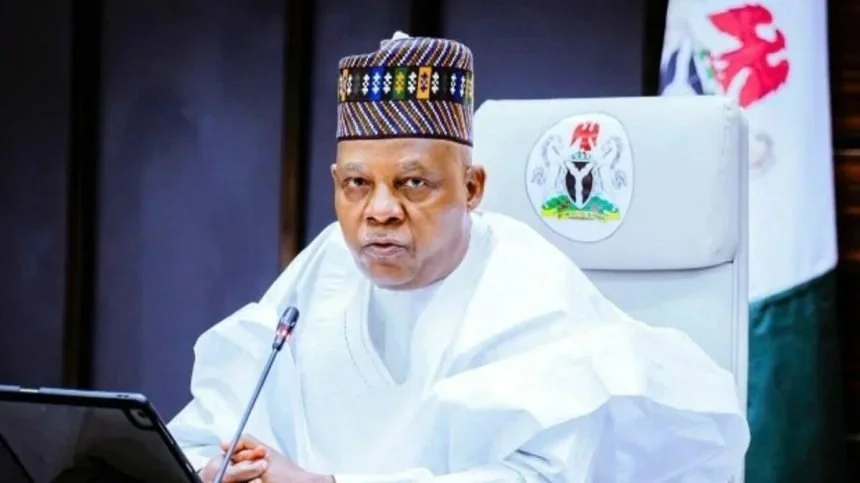
Shettima Still Uses Akinola Aguda House as ₦21bn VP Residence Remains Vacant
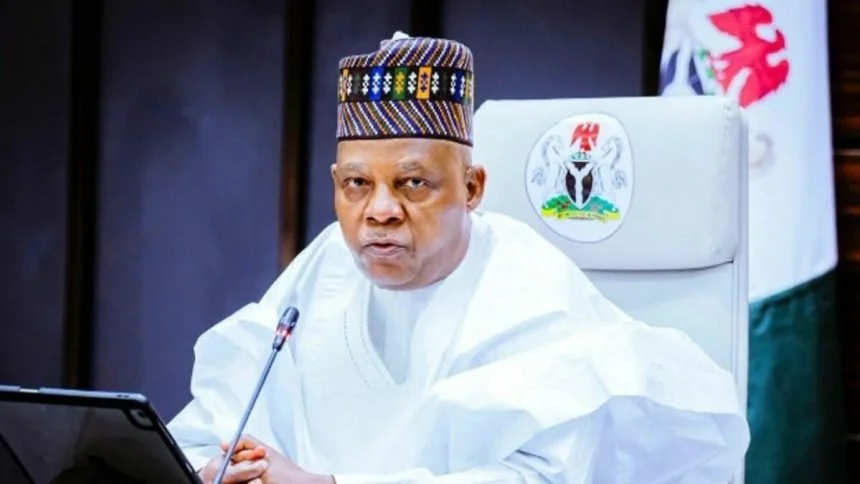
Nigeria’s ₦21 billion official residence for Vice-President Kashim Shettima in Abuja remains unoccupied more than two years after it was commissioned, putting renewed attention on the utilisation and ongoing cost of high-value government property.
/ You Might Also Like /

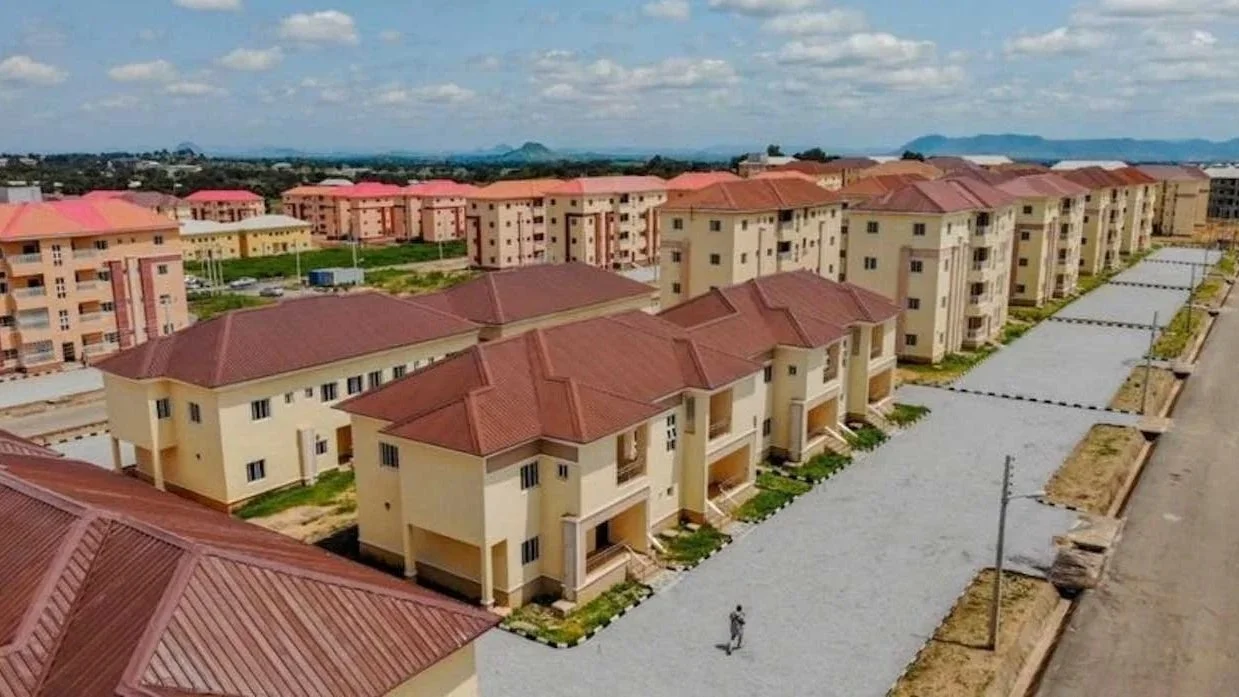

The residence, located in Abuja’s Three Arms Zone, was commissioned in June 2024 after the Federal Capital Territory Administration completed a project that had remained unfinished for more than a decade. Shettima continues to use Akinola Aguda House within the Presidential Complex as his official residence.
The continued non-occupation creates a property-management issue beyond the circumstances surrounding the Vice-President’s residence. It raises questions about how completed public assets are brought into operational use, maintained and integrated into government facilities.
A 14-Year Project Ended With a ₦21bn Price Tag
The Vice-President’s residence was initially awarded in 2010 at an estimated cost of ₦7 billion but was not completed under successive administrations.
When the project was reviewed in January 2024, the contract value had risen to ₦21 billion, according to former FCT Minister Nyesom Wike. The project was eventually completed and commissioned in June 2024.
At the commissioning, the Federal Government presented completion as part of its policy of finishing inherited projects rather than allowing expenditure on abandoned projects to remain unproductive.
The residence therefore represents not only a completed building but also a long-running example of the financial consequences of delayed public construction.
Residence Remains Unoccupied After Commissioning
Despite the formal commissioning, Shettima has not moved into the new facility.
Housing TV Africa reports that the Vice-President continues to operate from Akinola Aguda House, while the new residence has remained unused for its intended residential purpose.
The reason for the continued delay has not been comprehensively explained publicly.
Previous reporting has pointed to security concerns surrounding the location as a possible factor. FactCheckHub also established in 2025 that Shettima had not moved into the new residence and continued to reside at Akinola Aguda House.
Security Requirements Could Affect Public Property Utilisation
Security is a particularly important consideration for high-level government residences.
A facility designed for the Vice-President requires more than a completed building. It needs appropriate security infrastructure, access control, communications systems and supporting operational arrangements before it can function as an official residence.
The unresolved issue is whether any outstanding requirements at the facility remain significant enough to prevent occupation, and whether further public expenditure has been necessary since completion.
The Presidency has not publicly provided a detailed explanation addressing these questions, according to the latest report.
The Cost of Underused Government Property
From a real estate management perspective, the issue extends beyond the original construction cost.
A completed property that remains unused still requires security, maintenance and periodic inspection. Mechanical, electrical and building systems can also require maintenance even when a facility has limited occupancy.
For a property valued at ₦21 billion, prolonged under-utilisation can therefore create a wider asset-management question: how should government ensure that expensive public buildings deliver their intended value after construction?
The issue is particularly relevant to Nigeria, where government agencies and public institutions manage substantial portfolios of offices, residences, institutional buildings and other properties.
Public Construction Needs Stronger Lifecycle Planning
The case also highlights the difference between completing a construction project and successfully delivering a functioning public asset.
Effective public-property management requires planning for the entire lifecycle of a facility, including design, construction, commissioning, security, occupation, maintenance and eventual refurbishment.
The Vice-President’s residence demonstrates why these considerations need to be incorporated before construction reaches completion.
Where a facility requires additional security or operational modifications before occupation, those requirements can affect the project's effective cost and delivery timeline.
Implications for Abuja’s Public Property Market
The residence is located within the Three Arms Zone, one of Abuja’s most important government districts.
The continued use of an existing official residence alongside a newly completed facility raises questions about the optimal allocation of government-owned property in a city where public institutions occupy strategically located land and buildings.
For Abuja's wider property market, government decisions regarding the use, consolidation or redevelopment of public assets can influence land utilisation and the supply of institutional and commercial property.
This makes public-property management an important part of the city's broader urban-development conversation.
The Bigger Issue Is Asset Utilisation
The ₦21 billion residence is ultimately an example of a broader challenge facing public infrastructure investment: ensuring that completed assets are actually put to productive use.
The government has already incurred substantial expenditure to complete the residence after years of delay. The next question is whether the facility can be fully operationalised and maintained in a manner that justifies its continued presence within the public property portfolio.
For Nigeria's construction and real estate sectors, the case reinforces the importance of evaluating public projects not simply by whether a building has been completed, but by whether it is functional, occupied and delivering its intended purpose.
Outlook
More than two years after its commissioning, the continued non-occupation of the Vice-President’s ₦21 billion residence leaves unresolved questions about security requirements, operational readiness, maintenance and public-asset utilisation.
The government’s completion of the long-delayed project addressed one aspect of the investment. Bringing the facility into effective use would address the next stage of its lifecycle as a public real estate asset.
READ MORE