Nigeria’s Data Boom Drives New Demand for Digital Infrastructure and Commercial Property

Nigeria’s Digital Economy Expands, but Infrastructure Costs Rise
Nigeria’s rapid growth in data consumption is creating a growing need for physical infrastructure capable of supporting the country’s expanding digital economy, from data centres and fibre networks to reliable power and strategically located commercial property.
/ You Might Also Like /
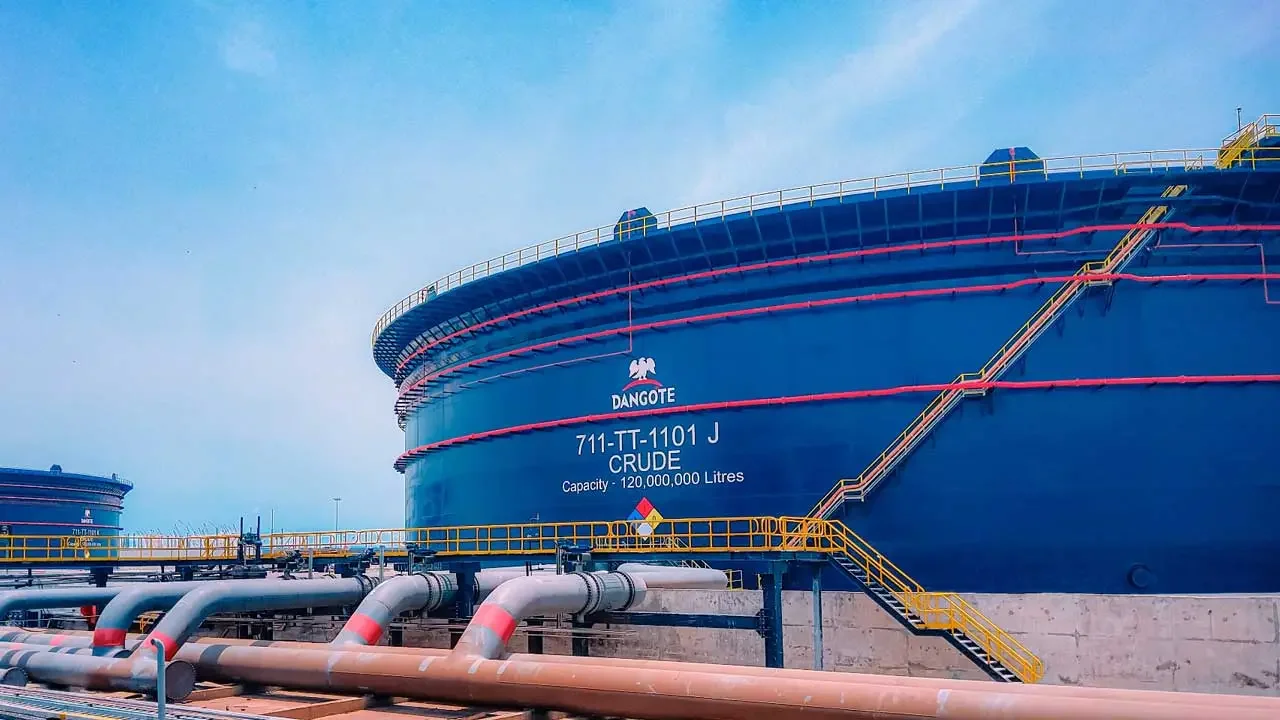

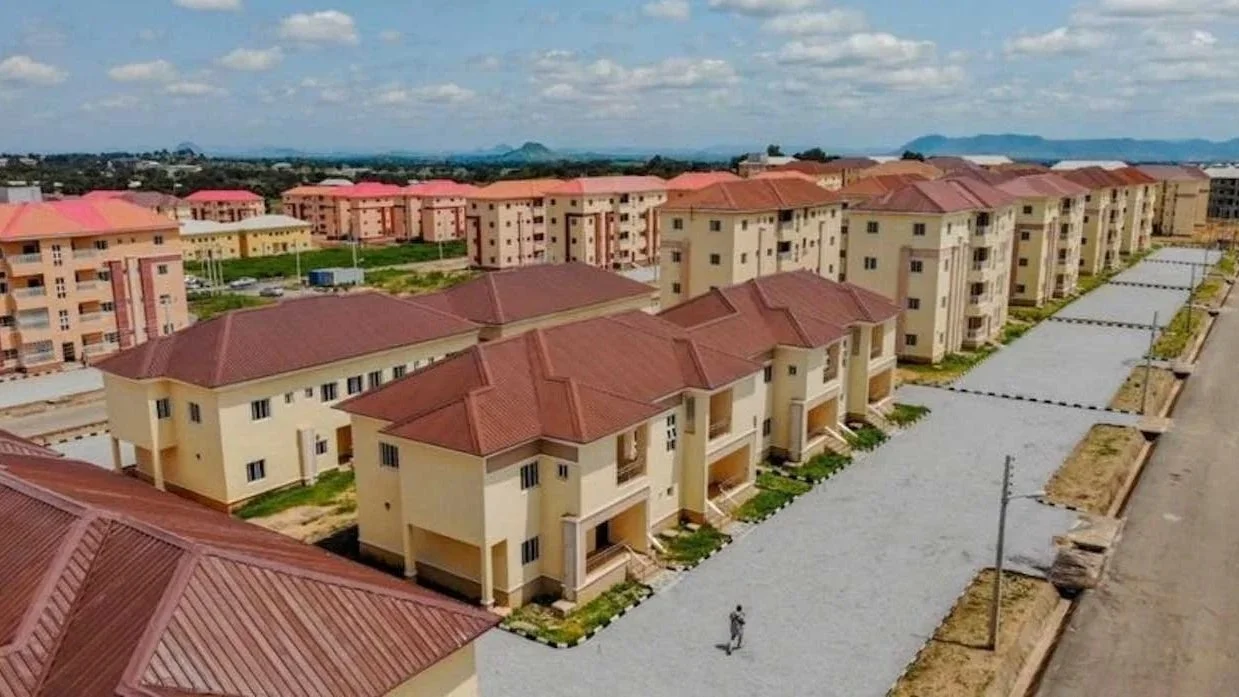

Mobile data consumption reached a record 1.66 million terabytes (TB) in July 2026, according to figures from the Nigerian Communications Commission (NCC). Consumption stood at 1.53 million TB in June and 1.50 million TB in May, highlighting the pace at which demand for digital services is increasing.
The growth extends beyond telecommunications. Businesses are increasingly dependent on cloud computing, digital payments, online platforms and data-intensive applications, increasing the amount of physical infrastructure required to keep Nigeria's digital economy operating.
Rising Data Consumption Is Increasing Infrastructure Requirements
The growth in data traffic requires continuous investment across several layers of infrastructure.
Telecommunications operators need additional network capacity, fibre connectivity and supporting facilities, while data-centre operators require land, buildings, electricity, cooling systems and high-capacity connectivity.
Nigeria's digital infrastructure expansion is therefore becoming increasingly connected to conventional infrastructure sectors, particularly power, construction and commercial real estate.
The challenge is particularly significant because digital infrastructure requires a combination of reliability and scale. A data centre, for example, cannot operate effectively without dependable electricity, redundant connectivity, cooling systems and appropriate physical security.
Data Centres Create a New Commercial Property Segment
The expansion of data centres is creating a specialised segment within Nigeria's commercial property market.
Unlike conventional office or retail developments, data centres require properties that can accommodate substantial power requirements, cooling infrastructure, fibre connections and technical equipment. Location also matters because proximity to major business districts, connectivity networks and reliable infrastructure can influence the commercial viability of a facility.
Recent developments illustrate the growing interest in the sector.
Digital Parks Africa announced plans in September to develop a carrier-neutral data centre in Lagos, while other operators have also been expanding their Nigerian capacity. The growing pipeline includes projects from Equinix, Open Access Data Centres and Kasi Cloud Datacenters.
Lagos remains the dominant market for data-centre development, with the state reporting about 146MW of additional capacity in the pipeline and a target of exceeding 250MW by 2030.
For property developers and investors, this points to an emerging opportunity in specialised infrastructure real estate rather than traditional residential or office development alone.
Power Supply Remains a Critical Cost
The expansion of digital infrastructure also increases the importance of electricity supply.
Data centres operate continuously and require reliable power to maintain servers, cooling equipment and network systems. Consequently, the economics of digital infrastructure are closely tied to the availability and cost of electricity.
This creates a wider infrastructure challenge for Nigeria. Expanding digital capacity without addressing power reliability could increase operating costs and limit the efficiency of new data-centre investments.
The issue is not limited to data centres. Telecoms infrastructure, fibre networks and other digital assets also depend on reliable power to maintain service availability.
The wider African market is already facing similar considerations as data-centre demand grows. The World Economic Forum estimates that African data-centre electricity demand could increase from about 0.4GW to 2.2GW by 2030, underscoring the need to develop power and digital infrastructure together.
Fibre Expansion Could Open New Development Corridors
Nigeria's digital infrastructure plans are also creating potential opportunities outside established commercial centres.
The Federal Government's Project BRIDGE is designed to facilitate the deployment of 90,000 kilometres of fibre infrastructure across the country, connecting all 36 states and the Federal Capital Territory and more than 770 local governments.
The African Development Bank has separately approved $200 million for Nigeria's digital infrastructure programme, which includes expanding the national fibre backbone from about 30,000km to approximately 120,000km and connecting all 774 local government areas.
For the property sector, wider fibre coverage could improve the attractiveness of locations that have historically been disadvantaged by weak digital connectivity.
Emerging business districts, industrial zones, logistics corridors and satellite communities could benefit as better connectivity reduces one of the infrastructure constraints facing businesses outside established urban centres.
Digital Infrastructure Could Influence Property Location Decisions
Improved digital connectivity is increasingly becoming a consideration in determining where businesses locate offices, industrial facilities and other commercial operations.
As fibre networks expand, businesses may have greater flexibility to operate from locations outside traditional commercial centres. This could support the development of new business clusters and increase demand for commercial property in emerging urban areas.
Data centres could have an even more direct effect because their development requires substantial physical sites and supporting infrastructure.
This creates opportunities for landowners, developers, infrastructure funds and institutional investors that can identify locations with suitable power, fibre connectivity, land availability and access to major markets.
Investment Requirements Are Growing Alongside Demand
Nigeria's digital infrastructure expansion is likely to require significant private-sector participation.
The Federal Government has targeted $750 million in private investment in local cloud and data infrastructure over a 24-month period, alongside plans for a nationwide 90,000km fibre network.
The broader African investment market is also attracting capital into digital infrastructure. WIOCC, for example, secured a combined $300 million from Africa Finance Corporation and Vision Invest in September to expand data centres, fibre networks and subsea cable infrastructure across Africa.
The scale of investment required means digital infrastructure is increasingly moving beyond the technology sector and into the broader infrastructure investment market.
For Nigeria's real estate industry, this could encourage greater interest in infrastructure-backed property assets and specialised facilities.
Implications for Nigeria's Housing and Real Estate Market
The immediate effect of the data boom is unlikely to be a direct increase in residential housing demand. Its more significant property impact could come through employment, urban development and the expansion of commercial infrastructure.
Data centres, fibre networks and associated businesses require technical workers, contractors, security services, logistics and other supporting activities. Concentrated investment could therefore stimulate demand for housing and services around emerging digital and commercial clusters.
However, the benefits will depend on how infrastructure development is distributed.
If investment remains concentrated in Lagos and a small number of established urban markets, the property benefits could remain geographically limited. Wider fibre deployment and investment in supporting infrastructure could allow more cities and emerging communities to participate in the digital economy.
For developers, this reinforces the importance of looking beyond conventional housing demand indicators and considering the infrastructure investments that can create new employment and commercial centres.
Infrastructure Planning Will Determine the Cost of the Data Boom
Nigeria's growing data economy represents an opportunity for both technology and infrastructure investors, but the expansion comes with significant physical requirements.
The country needs more fibre, data centres, power capacity, cooling systems and supporting commercial infrastructure to keep pace with digital demand. The challenge is therefore no longer simply increasing access to digital services but ensuring that the physical infrastructure supporting those services can expand efficiently.
For the property sector, the development of digital infrastructure introduces another category of specialised real estate while potentially strengthening the commercial prospects of locations that gain access to reliable connectivity.
The ability to coordinate digital, energy, transport and urban infrastructure will ultimately determine how effectively Nigeria converts rising data consumption into wider economic and property-market growth.
READ MORE