FCTA Reconstitutes Land Dispute Committee to Speed Up Resolution of Abuja Property Cases

FCTA strengthens Abuja land dispute resolution
The Federal Capital Territory Administration (FCTA) has reconstituted its Alternative Dispute Resolution (ADR) Committee to accelerate the resolution of land-related disputes across Abuja.
The committee, under the Department of Land Administration, is expected to provide a faster and more structured mechanism for resolving disputes through mediation and conciliation, potentially reducing the need for prolonged litigation.
/ You Might Also Like /


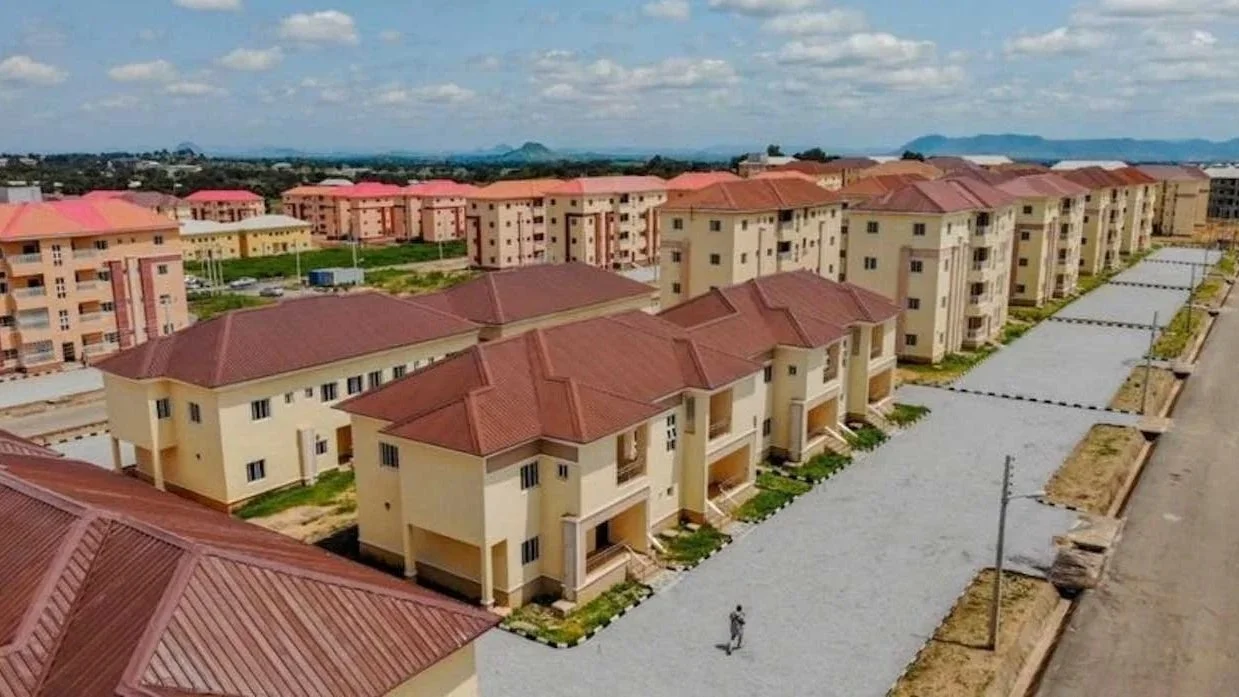

The move comes as land ownership and property disputes remain a significant concern for Abuja’s real estate market, where competing claims over land can create uncertainty for homeowners, developers and investors.
Committee to Review Land Complaints and Records
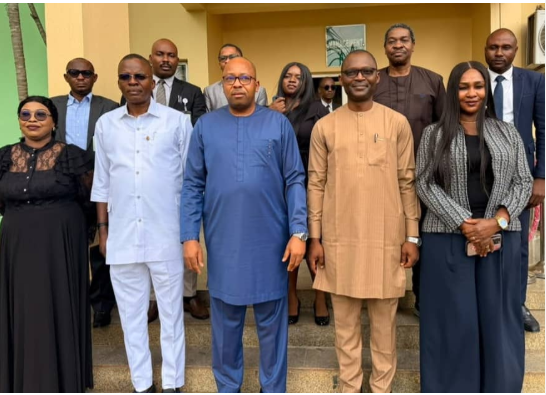
The reconstituted committee was inaugurated by the Director of the Department of Land Administration, Chijioke Nwankwoeze.
According to Nwankwoeze, the committee will review complaints and petitions relating to land matters, examine relevant land records and engage affected parties before making recommendations to the FCTA management.
The committee is intended to provide an alternative to traditional litigation by using mediation and conciliation to help conflicting parties reach settlements.
The approach could allow certain land disputes to be addressed without requiring parties to go through lengthy court proceedings.
Land Disputes Can Affect Property Transactions
Land disputes can have consequences beyond the parties directly involved.
For property developers, unresolved ownership claims can delay construction, affect access to financing and create uncertainty around development timelines. Buyers can also face financial and legal exposure when properties have unresolved title issues or competing ownership claims.
A more accessible dispute-resolution mechanism could therefore be relevant to the wider property market, particularly where disputes arise from land records, ownership claims or transactions involving multiple parties.
The FCTA's committee is expected to examine the relevant records and hear from affected parties before advising management on appropriate resolutions.
Faster Resolution Could Reduce Pressure on the Courts
The FCTA said the ADR mechanism is intended to serve as a viable alternative to traditional litigation.
Rather than requiring every land dispute to proceed through the courts, mediation can provide an avenue for parties to negotiate and potentially reach an agreement where the circumstances permit.
This could help reduce the time and costs associated with some property disputes while allowing the land administration authorities to address complaints using existing records and administrative processes.
However, ADR will not eliminate the need for litigation in cases where parties cannot reach an agreement or where the nature of the dispute requires judicial determination.
Better Land Administration Matters to Abuja's Property Market
The effectiveness of the new committee will depend partly on the quality and accessibility of land records.
Clear documentation and reliable land information are important to property transactions because they allow buyers, developers and financial institutions to establish the status of land before committing significant capital.
The FCTA's decision to have the committee examine land records as part of its dispute-resolution process therefore places land administration at the centre of efforts to resolve competing claims.
For Abuja's property market, improvements in this area could help reduce uncertainty surrounding disputed properties and support greater confidence in formal transactions.
Committee to Promote Mediation and Conciliation
The committee's mandate focuses on mediation and conciliation between conflicting parties.
The process involves reviewing the facts of individual complaints, examining relevant documentation and engaging the parties involved before making recommendations to FCTA management.
This provides an administrative channel through which land disputes can be assessed before parties resort to or continue with conventional litigation.
The FCTA said the objective is to achieve faster, transparent and efficient resolution of land-related disputes across the Federal Capital Territory.
Implications for Property Buyers and Developers
The development highlights the importance of proper land due diligence in Abuja.
Buyers and developers should still independently verify ownership, title documents, survey information and the status of a property before completing transactions. The existence of an ADR mechanism does not remove the risks associated with acquiring land with disputed or unclear ownership.
For the wider market, however, an effective dispute-resolution framework could complement existing land administration processes by providing a structured avenue for addressing conflicts when they arise.
The FCTA's latest move therefore places faster dispute resolution alongside accurate land records and transparent administration as important elements in strengthening Abuja's property market.
READ MORE