Cement Prices Surge as Rising Construction Costs Deepen Nigeria’s Housing Crisis
Cement prices put housing costs under pressure
The rising cost of cement is adding pressure to Nigeria’s housing market, increasing construction expenses for homeowners and developers at a time when affordability remains a major challenge.
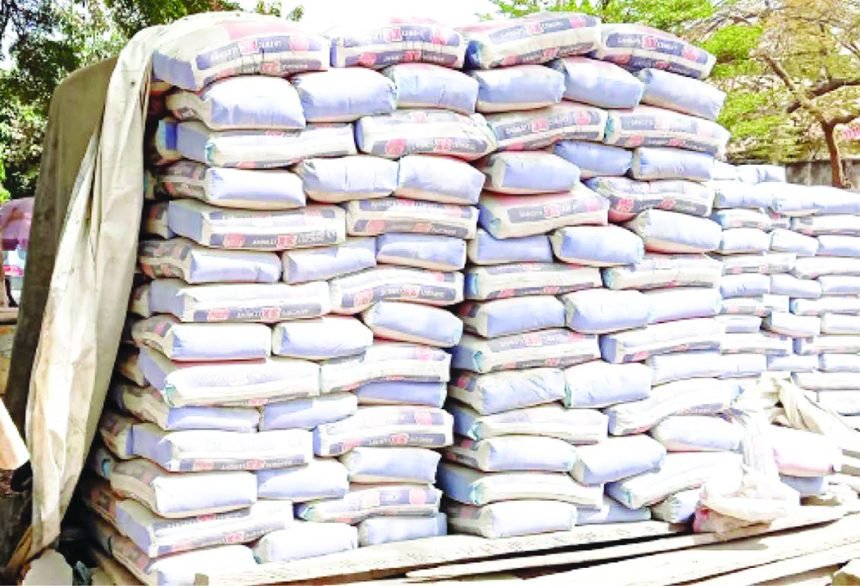
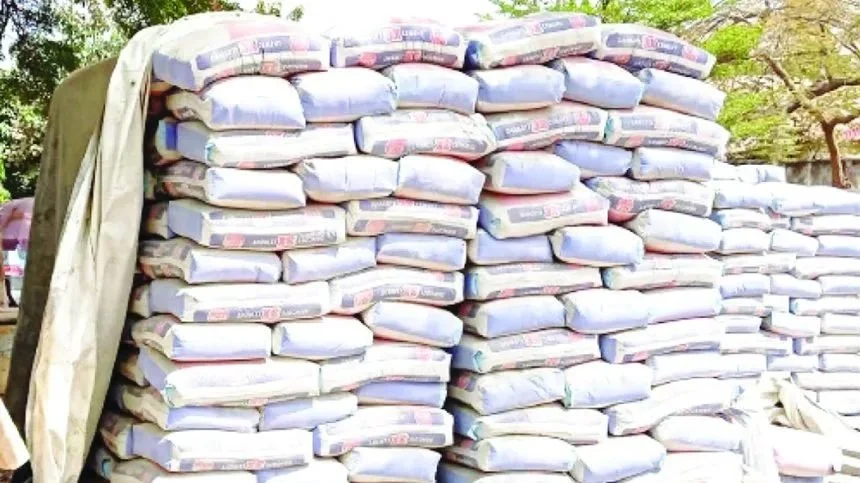
The price of 100 bags of cement reportedly rose from about ₦380,000 in May 2023 to approximately ₦1.25 million by August 2026, representing an increase of about 229 per cent. In some parts of Nigeria, a 50kg bag is now selling for between ₦13,000 and ₦15,000.
/ You Might Also Like /
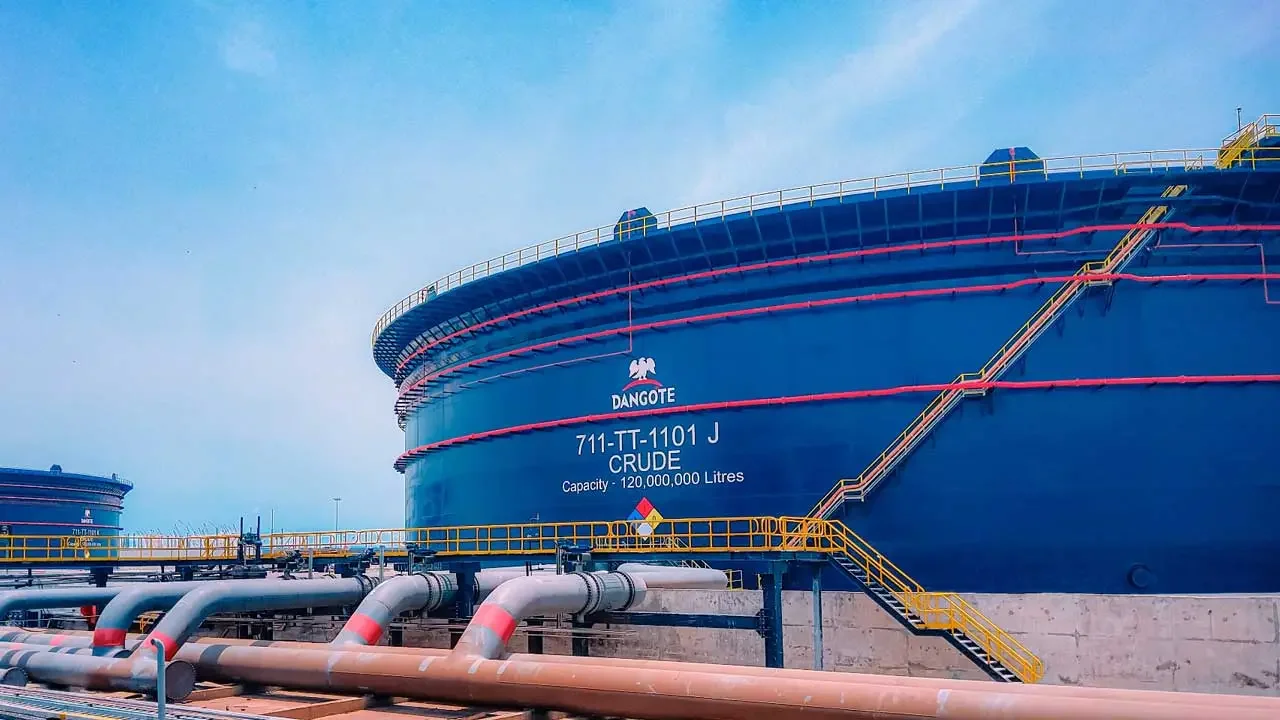

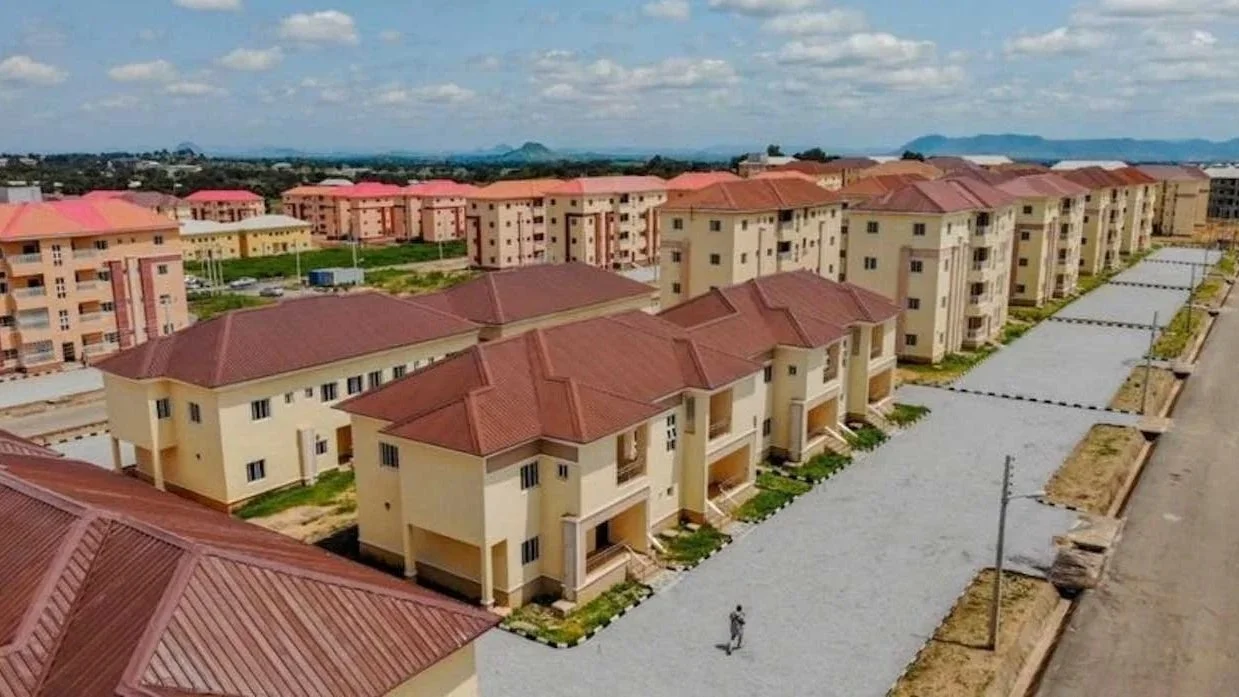

The increase has implications across the housing value chain because cement is a major input in block production, foundations, columns, plastering and other stages of conventional construction.
Rising Cement Costs Increase Pressure on Homebuilders
For Nigerians financing home construction from personal income, the increase in cement prices can significantly affect project budgets.
Developers also face higher input costs, which can make previously approved project budgets more difficult to maintain. Where additional costs cannot be absorbed, developers may revise selling prices, reduce project specifications, delay construction or defer new developments.
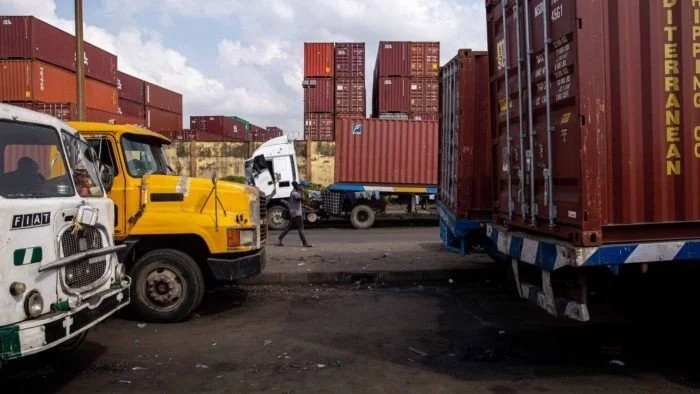
Construction professionals cited several factors behind the increase, including energy costs, foreign exchange pressures, transportation, insecurity and multiple taxes. Transportation costs and intermediaries between manufacturers and construction sites were also identified as factors affecting the final retail price.
The effect extends beyond new home construction. Higher development costs can feed into property prices and rents as developers and landlords seek to recover increased capital expenditure.
Nigeria Has Large Cement Production Capacity
The cement price increases have raised questions about the relationship between production capacity and retail prices.
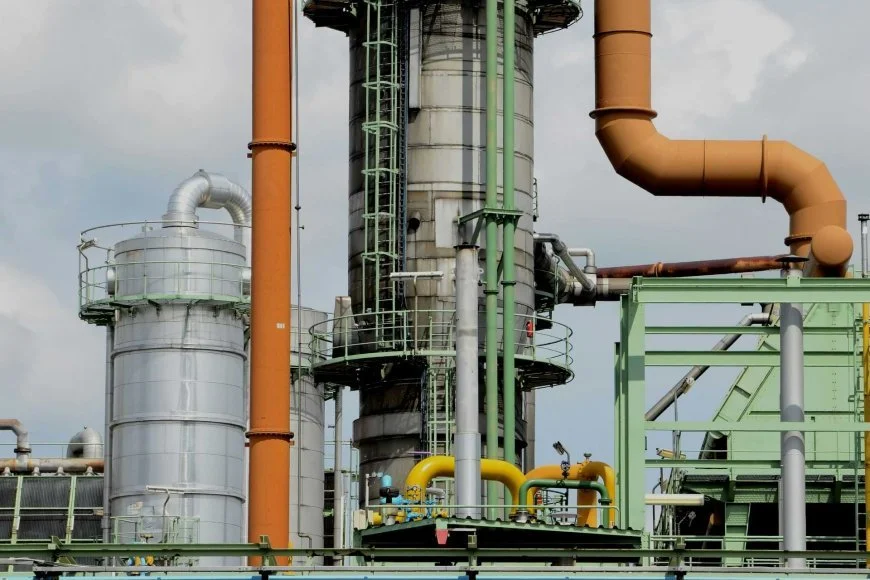
The Federal Competition and Consumer Protection Commission estimates that Nigeria has installed cement production capacity of between 60 million and 65 million metric tonnes annually, while domestic consumption is estimated at approximately 25 million to 30 million metric tonnes.
Nigeria is also a net exporter of cement to neighbouring countries, according to the commission.
The apparent gap between installed capacity and domestic consumption has therefore become part of the wider debate over why cement prices continue to rise.
However, installed capacity does not necessarily translate into equivalent market supply. Actual output, plant utilisation, maintenance, energy availability, transportation and distribution conditions can all affect the volume and price of cement reaching consumers.
FCCPC Investigates Cement Pricing
The FCCPC has been investigating the cement market following complaints about rising prices.
According to the commission, a 50kg bag sold for approximately ₦9,300–₦9,700 in January 2026. By mid-year, prices had increased to between ₦10,500 and ₦13,000, reaching ₦13,000–₦15,000 in some locations by July.
Manufacturers have cited higher energy expenses, naira depreciation, imported machinery and spare parts, transportation and logistics as factors contributing to their costs.
The FCCPC is examining whether those factors adequately explain prevailing prices or whether there are indications of coordinated conduct, abuse of market power or anti-competitive practices.
The commission has issued notices of investigation and summoned key industry players to provide information relating to pricing, production, capacity utilisation, exports and commercial relationships. Its preliminary findings, as reported by Housing TV Africa, did not establish wrongdoing but provided grounds for the investigation to continue.
Manufacturers Report Stronger Financial Performance
The increase in cement prices has also coincided with stronger financial results from major cement manufacturers.
Dangote Cement reported first-half 2026 revenue of ₦2.51 trillion, compared with ₦2.07 trillion in the corresponding period of 2025. Its profit after tax rose to ₦638.53 billion.
BUA Cement also reported higher revenue and profit, while the combined profit after tax of Dangote Cement, BUA Cement and HBM Nigeria was reported at approximately ₦1.17 trillion.
The higher profits do not, on their own, establish that manufacturers engaged in unlawful pricing practices. The relationship between manufacturers’ earnings and retail cement prices remains part of the broader market debate and is among the issues the FCCPC investigation is examining.
Higher Construction Costs Could Restrict Housing Supply
The implications for Nigeria's housing market extend beyond the immediate cost of building materials.
When construction becomes more expensive, some developers may postpone projects or reduce the scale of planned developments. Smaller developers and individual homeowners can be particularly exposed because they generally have less capacity to negotiate bulk purchasing arrangements or absorb unexpected increases in material costs.
The result can be slower housing delivery and higher prices for completed properties.
Industry stakeholders have also raised concerns that cement demand from major infrastructure projects could put additional pressure on supplies available to housing developers.
This creates a difficult balance for policymakers. Infrastructure development requires substantial quantities of construction materials, while the housing sector also needs predictable and affordable access to those materials to expand supply.
Transport and Energy Costs Remain Key Factors
The cost of cement cannot be viewed solely through the factory price.
Energy is a major input for cement production, while transportation affects the cost of moving cement from manufacturing plants and depots to construction sites and retail markets.
Poor road infrastructure, security challenges and longer transportation routes can increase logistics costs. Multiple layers of distribution can also widen the gap between factory-gate prices and what consumers eventually pay.
Reducing these costs could therefore have implications beyond the cement industry by lowering the overall cost of construction.
What the Cement Market Means for Housing Affordability
The immediate concern for the housing market is predictability.
Developers need to be able to estimate construction costs when pricing projects, securing financing and determining whether a development is commercially viable. Individuals building their own homes similarly need greater certainty when planning expenditure over several months or years.
Continued volatility in cement prices makes that planning more difficult.
Stakeholders have called for greater transparency in factory-gate and retail pricing, improved transport infrastructure, reliable energy supply, stronger competition and better oversight of distribution margins. Some have also advocated greater use of alternative construction technologies to reduce dependence on conventional materials.
For Nigeria's housing sector, addressing cement affordability will therefore require more than monitoring retail prices. Production costs, competition, logistics, energy, distribution and construction technology all have a role to play.
The outcome of the FCCPC investigation could provide further clarity on the factors driving cement prices and help shape measures aimed at improving affordability for households and developers.
READ MORE