Nigeria Faces Inflation Surge Risk in 2026, Experts Warn
Economic Pressures Mount as Inflation Outlook Worsens
Nigeria may experience a renewed surge in inflation in 2026, as economic analysts warn that persistent structural pressures including exchange rate volatility, energy costs, and supply constraints could drive prices higher. The outlook signals continued strain on households and policy challenges for economic managers.
Inflationary Pressures Remain Elevated
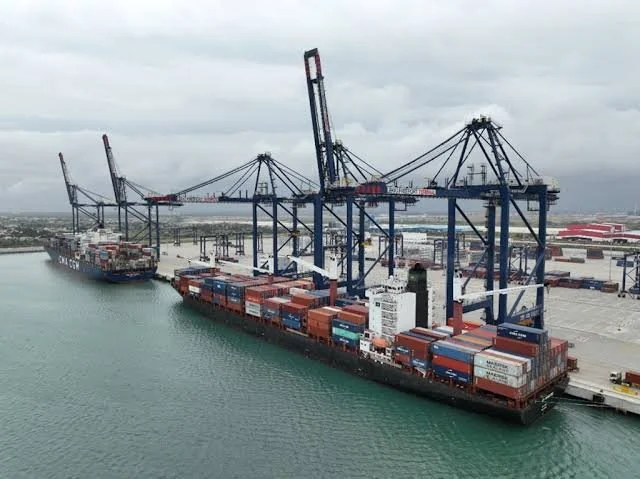
Analysts point to multiple factors sustaining inflationary momentum despite recent policy interventions. Key drivers include currency depreciation, rising logistics costs, and elevated energy prices, all of which directly impact the cost of goods and services.
The pass-through effect of exchange rate movements remains particularly significant. As the naira fluctuates, import-dependent sectors transmit higher costs to consumers, reinforcing inflationary trends across food, transport, and housing.
/ You Might Also Like /



Energy Costs and Subsidy Reforms
Energy pricing continues to play a central role in Nigeria’s inflation dynamics. The removal of fuel subsidies and ongoing adjustments in electricity tariffs have increased production and transportation costs.
These cost pressures cascade through supply chains, raising prices across multiple sectors. Businesses, particularly small and medium-sized enterprises, face tighter margins, which often translate into higher consumer prices.
Structural Bottlenecks and Supply Constraints
Nigeria’s inflation outlook is also shaped by structural challenges, including:
Weak domestic production capacity
Insecurity affecting agricultural output
High transportation and logistics costs
Limited infrastructure
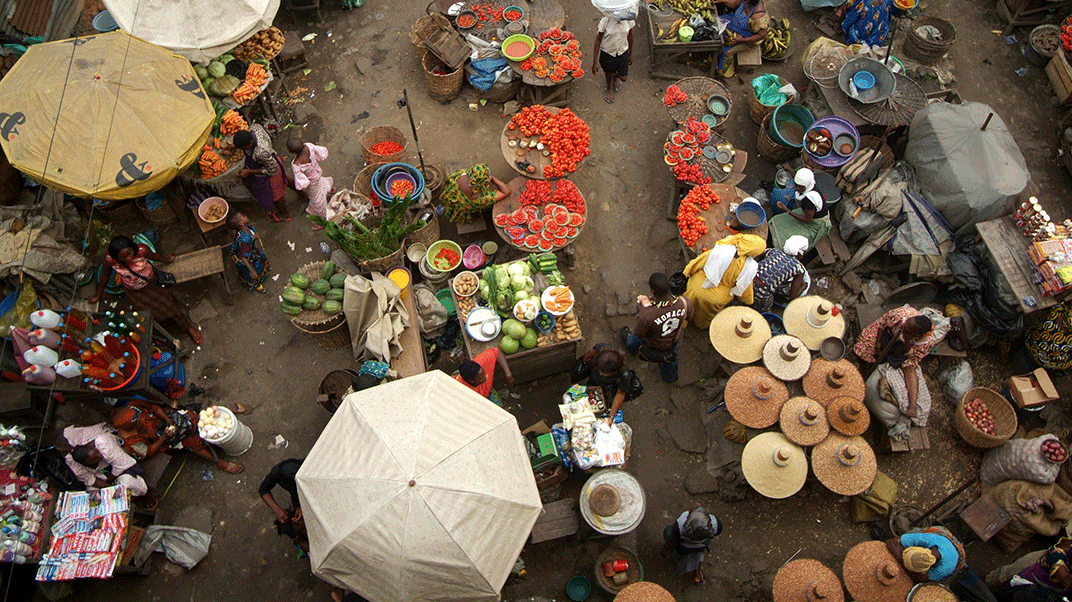
Food inflation remains a major contributor, driven by supply disruptions and inefficiencies in distribution networks.
Monetary Policy and FX Reforms
Policy reforms aimed at liberalising the foreign exchange market have improved transparency but exposed the naira to market-driven volatility. While this has reduced distortions, it has also contributed to short-term inflationary pressure.
The Central Bank continues to deploy monetary tightening measures, including interest rate adjustments, to manage inflation. However, the effectiveness of these tools is influenced by structural constraints beyond monetary policy control.
Implications for Households and Businesses
Rising Cost of Living
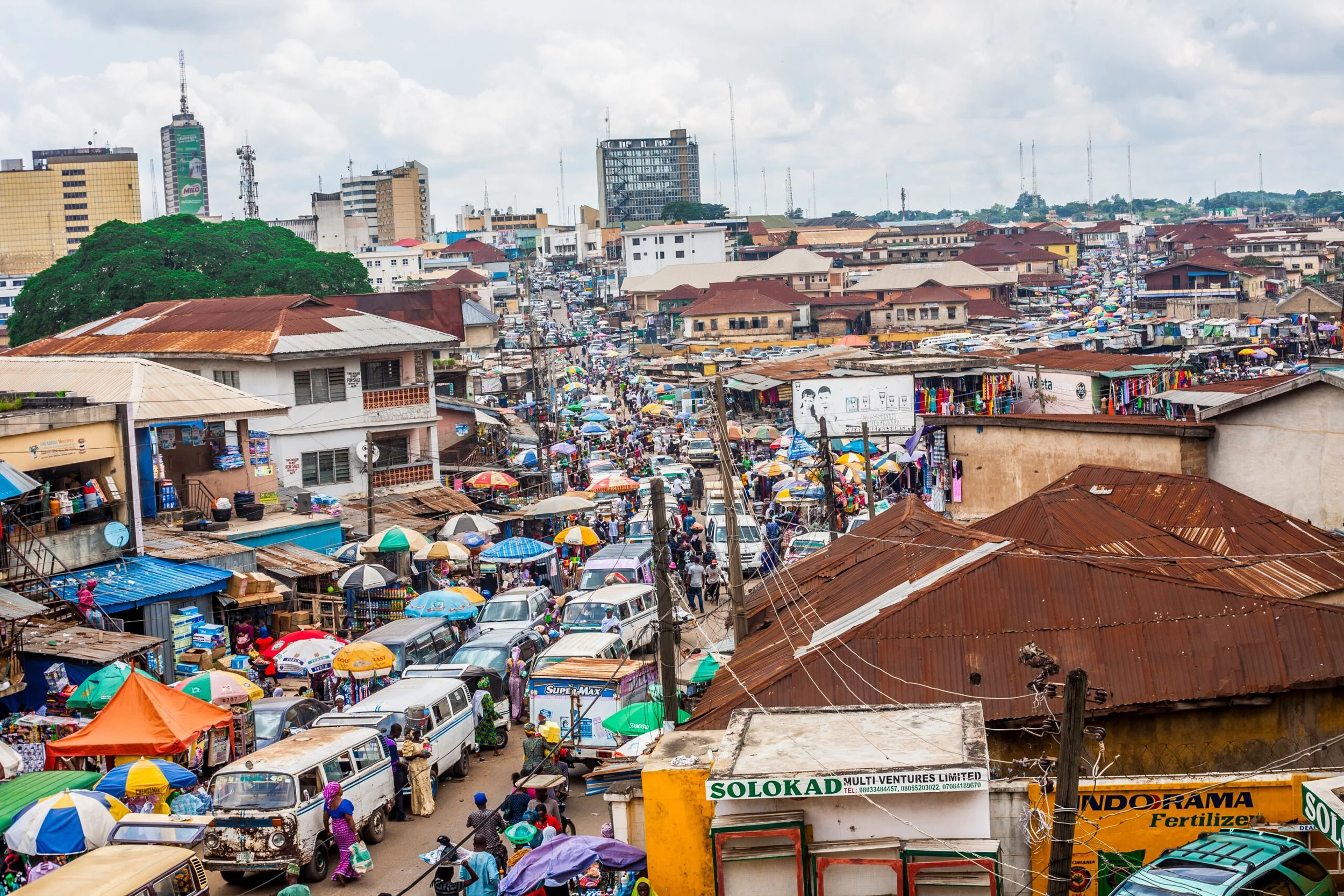
Higher inflation erodes purchasing power, particularly for low- and middle-income households. Essential goods such as food, housing, and transportation are expected to remain under pressure.
Business Cost Pressures
Companies face increased input costs, which may lead to reduced profitability or further price adjustments. This environment creates uncertainty for investment and expansion decisions.
Housing and Urban Impact
Inflationary pressures also affect housing affordability. Rising construction costs, driven by imported materials and energy expenses, could further widen Nigeria’s housing deficit.
Policy Considerations
Coordinated Economic Strategy
Addressing inflation will require coordination between fiscal and monetary authorities. Structural reforms particularly in agriculture, infrastructure, and energy will be critical to easing supply-side pressures.
Strengthening Domestic Production
Improving local production capacity can reduce reliance on imports and mitigate exchange rate pass-through effects.
Social Protection Measures
Targeted interventions may be necessary to cushion vulnerable populations from the impact of rising prices.
The projected inflation surge in 2026 highlights persistent vulnerabilities in Nigeria’s economic structure. While policy reforms have improved market efficiency, underlying challenges ranging from FX volatility to supply constraints continue to drive price pressures.
Sustainable inflation control will depend on addressing structural bottlenecks, stabilising the currency, and strengthening domestic production capacity. For policymakers and investors, the evolving inflation landscape remains a critical factor shaping Nigeria’s economic outlook.
READ MORE