Akwa Ibom Communities Clash Over Proposed Seaport Ownership
Community Dispute Threatens Progress of Ibom Deep Seaport Project
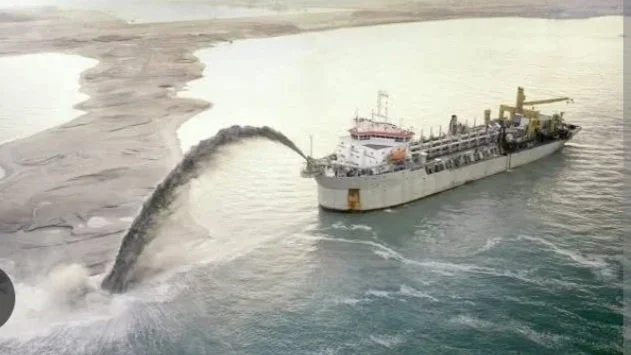
Communities in Akwa Ibom State have entered into a dispute over ownership claims linked to the proposed Ibom Deep Seaport project. The conflict, involving host communities in the project area, has raised concerns about land rights, compensation, and the potential impact on one of Nigeria’s major planned infrastructure developments.
Emerging Conflict Over Strategic Infrastructure
The dispute centres on competing claims by neighbouring communities over the land designated for the Ibom Deep Seaport, a flagship project intended to enhance Nigeria’s maritime capacity and regional trade connectivity.
/ You Might Also Like /




Stakeholders from the affected areas have asserted historical ownership of the land, with each side presenting documentation and ancestral claims to support their position. The disagreement has reportedly escalated into tensions on the ground, prompting calls for government intervention.
Strategic Importance of the Ibom Deep Seaport
The Ibom Deep Seaport is a critical infrastructure project designed to complement existing ports and reduce congestion in Nigeria’s maritime sector. Once operational, the port is expected to:
Boost trade and logistics efficiency
Attract foreign investment
Support industrial and economic development in the South-South region
Given its scale and economic significance, delays linked to community disputes could affect investor confidence and project timelines.
Land Ownership and Compensation Concerns
At the core of the conflict are issues surrounding land ownership, compensation, and stakeholder inclusion. Host communities have raised concerns about equitable compensation and recognition in the project’s development framework.
Land disputes are a recurring challenge in large-scale infrastructure projects across Nigeria, particularly where formal land documentation overlaps with customary ownership systems. This often leads to competing claims and legal uncertainties.
Government Response and Mediation Efforts
The Akwa Ibom State Government has been urged to intervene decisively to resolve the dispute and prevent escalation. Effective mediation will be critical to ensuring that the project proceeds without disruption.
Authorities are expected to engage community leaders, review documentation, and establish a transparent framework for compensation and stakeholder participation.
Broader Implications for Infrastructure Development
Project Delivery Risks
Unresolved land disputes can delay project execution, increase costs, and discourage private sector participation in infrastructure development.
Investor Confidence
Large-scale projects such as the Ibom Deep Seaport rely on stable social and regulatory environments. Community conflicts can undermine investor confidence and financing arrangements.
Policy and Governance Considerations
The situation highlights the need for clearer land governance frameworks, particularly in areas where customary and statutory land rights intersect. Strengthening these systems can reduce disputes and support smoother project implementation.
The ownership dispute surrounding the Ibom Deep Seaport underscores the complex intersection of infrastructure development, land rights, and community interests in Nigeria. While the project holds significant economic promise, its success will depend on the effective resolution of stakeholder conflicts and the establishment of transparent, inclusive processes.
Ensuring alignment between government, investors, and host communities will be essential to unlocking the full potential of the project and safeguarding long-term development outcomes.
READ MORE