FG Targets Distribution of 1.1 Million Tonnes of Fertiliser to Farmers in 2026

Government Targets Improved Farm Productivity Through Fertiliser Distribution
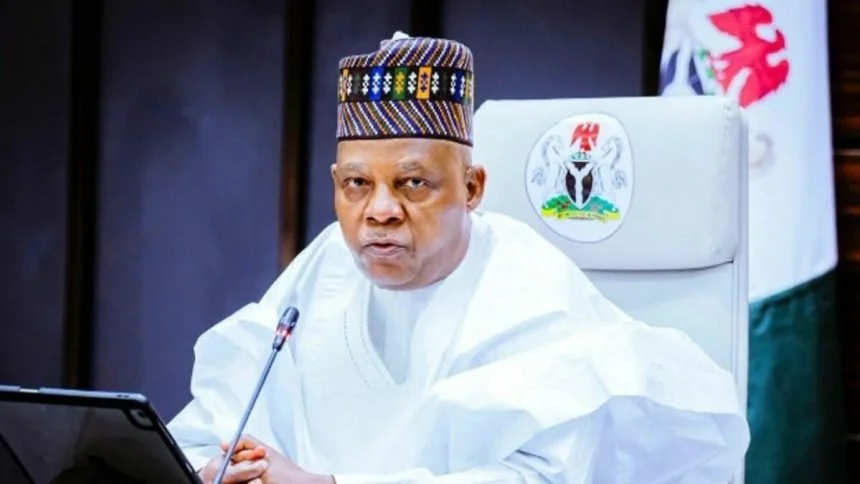
President Bola Tinubu has announced that the Federal Government remains on track to deliver a 1.1 million metric tonne fertiliser programme in 2026, equivalent to approximately 22 million bags nationwide, as part of efforts to strengthen food security, improve agricultural productivity and support farmers across the country.
The initiative forms a key component of the administration’s agricultural strategy under the Renewed Hope Agenda and is aimed at ensuring farmers have access to critical inputs despite ongoing global supply chain challenges and rising fertiliser costs.
/ You Might Also Like /




Government Secures Fertiliser Supply for Farmers
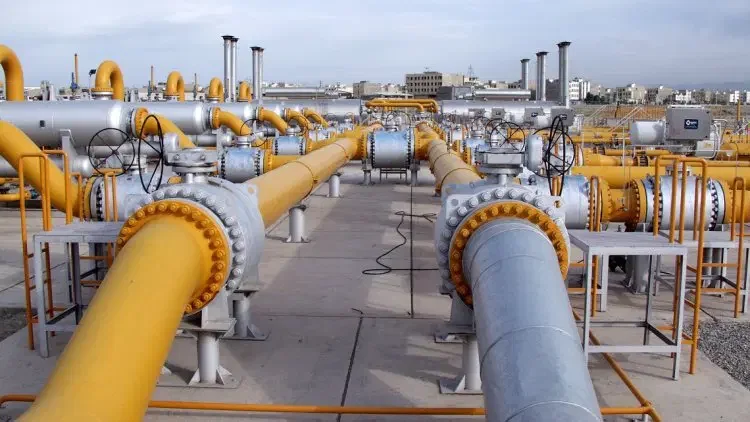
According to the President, Nigeria has already secured more than 449,000 metric tonnes of fertiliser inputs as of May 2026, equivalent to roughly nine million bags, with 10 vessels carrying fertiliser materials either discharged or currently in transit. These early procurement measures are intended to guarantee adequate supply ahead of the wet farming season.
Tinubu stated that strategic interventions were necessary to shield Nigeria’s agricultural sector from disruptions caused by geopolitical tensions and supply chain challenges affecting global fertiliser markets.
₦61.58 Billion Saved Through Strategic Procurement
The President revealed that government contracting arrangements for key fertiliser inputs generated savings of approximately ₦61.58 billion in 2026. According to him, these savings have helped moderate fertiliser prices and improve affordability for farmers.
Officials say the procurement strategy has strengthened the fertiliser value chain while supporting local production and reducing exposure to international market volatility.
Strengthening Local Fertiliser Production
Tinubu also highlighted the growth of domestic fertiliser production, noting that Nigeria now has more than 90 operational fertiliser blending plants. This gives the country the largest fertiliser blending capacity in Sub-Saharan Africa and supports local manufacturing, employment and agricultural resilience.
The President credited reforms under the Presidential Fertiliser Initiative (PFI), now managed through the Ministry of Finance Incorporated (MOFI), for helping to strengthen procurement systems, secure raw materials and protect local blending plants from global market disruptions.
Support for Smallholder Farmers
Beyond securing supply, the government is also focused on ensuring fertiliser reaches farmers on time.
Under the Renewed Hope Farm Input Support Programme (RH-FISP), implemented through the National Agricultural Development Fund (NADF), about 515,720 bags of locally produced fertiliser are currently being distributed to 128,930 smallholder farmers across 25 states and the Federal Capital Territory. The programme targets key crops including rice, maize, cassava and soybean.
Government officials say improving last-mile delivery remains critical to achieving the programme’s objectives and increasing farm productivity nationwide.
Implications for Food Security
Agricultural stakeholders have consistently identified access to affordable fertiliser as one of the most important factors influencing crop yields and food production.
The planned distribution programme is expected to support farmers during the current planting season, improve harvest outcomes and contribute to efforts aimed at reducing food inflation. Increased access to farm inputs could also help strengthen agricultural value chains and improve rural livelihoods.
Outlook
With fertiliser supplies already being secured and distribution programmes underway, attention will shift to implementation and ensuring farmers receive inputs in time for cultivation activities. Analysts say successful delivery of the programme could support higher agricultural output and strengthen Nigeria’s broader food security strategy.
Conclusion
The Federal Government’s plan to distribute 1.1 million metric tonnes of fertiliser in 2026 represents one of the country’s largest agricultural input support initiatives in recent years. With 22 million bags targeted for distribution, increased local production capacity and ongoing support for smallholder farmers, the programme is expected to play a significant role in boosting agricultural productivity and strengthening food security across Nigeria.
READ MORE