Nigeria Joins World Energy Council, Targets Investment and Global Energy Influence
World Energy Council
Nigeria has formally joined the World Energy Council (WEC), strengthening its participation in global energy policy discussions while seeking to attract investment and deepen international cooperation across the energy sector.
The development follows the establishment of the World Energy Council Nigeria and the inauguration of its Governing Board. The new national committee is expected to bring together government, industry, finance, academia and civil society to address Nigeria's energy challenges and develop investment opportunities.
/ You Might Also Like /



Nigeria establishes national WEC committee
The World Energy Council confirmed Nigeria's addition to its global network on August 5, 2026, describing the country as an important participant in Africa's evolving energy landscape.
WEC Nigeria will operate as an independent, impartial and technology-neutral platform. Its mandate includes supporting evidence-based dialogue, strengthening energy policy and connecting stakeholders across the country's energy ecosystem.
The initiative comes as Nigeria seeks to expand energy access, improve energy security, accelerate gas development and mobilise capital for industrialisation and sustainable economic growth.
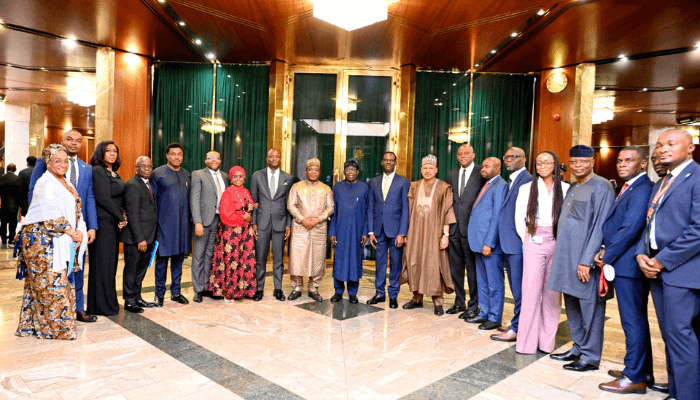
Abdulrazaq Isa chairs Governing Board
The Governing Board is chaired by Abdulrazaq Isa, Co-founder and Chairman of Waltersmith Petroman Oil Limited.
Former NNPC Limited Chief Upstream Investment Officer Bala Wunti will serve as the inaugural Chief Executive Officer of WEC Nigeria.
Other members of the board include Professor Wumi Iledare, Dr Mustapha Abdullahi, Aisha Farida Katagum, Dr Ainojie “Alex” Irune, Dr Emmanuel Okon, Dr Victor Ekpenyong and Dr Imamuddeen Talba.
The composition brings together expertise spanning energy, investment, academia, industry and public policy.
Council targets stronger energy investment
WEC Nigeria said its membership provides an avenue for Nigeria to connect its domestic energy priorities with international expertise, technology, partnerships and capital.
Bala Wunti said the country needs an energy system that is secure, affordable and sustainable, with sufficient capacity to support broad-based economic growth.
He added that WEC Nigeria would seek to connect evidence, leadership and capital with practical investment opportunities within Nigeria and across Africa.
The focus on investment is significant for Nigeria because energy infrastructure requires substantial long-term capital. Improved access to international partnerships and investment networks could support projects across electricity, gas, renewable energy and related infrastructure.
Nigeria gains access to global energy network
The World Energy Council's network comprises more than 3,000 member organisations across nearly 100 countries, providing access to energy experts, businesses, policymakers and other stakeholders across the global energy system.
The Council said Nigeria's participation would help bring the country's expertise and perspectives into international energy discussions.
World Energy Council Secretary-General and Chief Executive Officer Angela Wilkinson said Nigeria has a significant leadership role in shaping the future of energy in Africa and globally. She noted that the country's new Member Committee would bring its expertise and voice to the global stage, including at the Riyadh World Energy Congress in April 2027.
Energy security remains a key priority
Nigeria's membership comes as the country continues to address challenges around electricity access, energy affordability, infrastructure capacity and investment.
The government has also been pursuing reforms across the electricity and oil and gas sectors, while seeking to increase domestic energy supply and expand the role of gas in the economy.
The WEC platform gives Nigerian stakeholders an additional channel for engaging international counterparts on these issues and identifying approaches that could support domestic energy development.
Potential implications for infrastructure and housing
A stronger energy sector could have wider implications for Nigeria's construction, housing and real estate markets.
Reliable and affordable energy remains an important component of residential and commercial development. Developers and businesses often face additional operating costs when electricity supply remains unreliable, while inadequate power infrastructure can constrain the growth of new communities and industrial areas.
Greater investment in energy infrastructure could therefore support economic activity around new housing developments, industrial clusters and urban expansion.
However, WEC membership itself does not guarantee new investment. The benefits will depend on how effectively Nigeria converts international partnerships, policy dialogue and technical cooperation into bankable projects and implemented infrastructure.
Nigeria prepares for global energy discussions
The new national committee is expected to strengthen Nigeria's role in international energy conversations while creating a platform for domestic stakeholders to engage with global developments.
Its participation in the World Energy Council also gives Nigeria an opportunity to influence discussions around energy security, sustainability, technology and investment from an African perspective.
The World Energy Council said Nigeria's membership strengthens the global energy community as Africa develops its own energy future around its natural resources, entrepreneurial capacity and regional cooperation.
Outlook
Nigeria's entry into the World Energy Council provides a new platform for the country to pursue international energy partnerships and investment while increasing its influence in global energy policy.
The immediate challenge will be translating membership into measurable outcomes, including new investment, stronger energy infrastructure, improved access and practical policy solutions. For Nigeria's wider economy, including housing, construction and industrial development, progress in these areas could improve the reliability and investment environment needed to support long-term growth.
READ MORE