Wike Moves to Eliminate Illegal Motor Parks as Abuja Expands Modern Transport Network
Abuja to Expand Modern Transport Terminals as Wike Targets Illegal Motor Parks
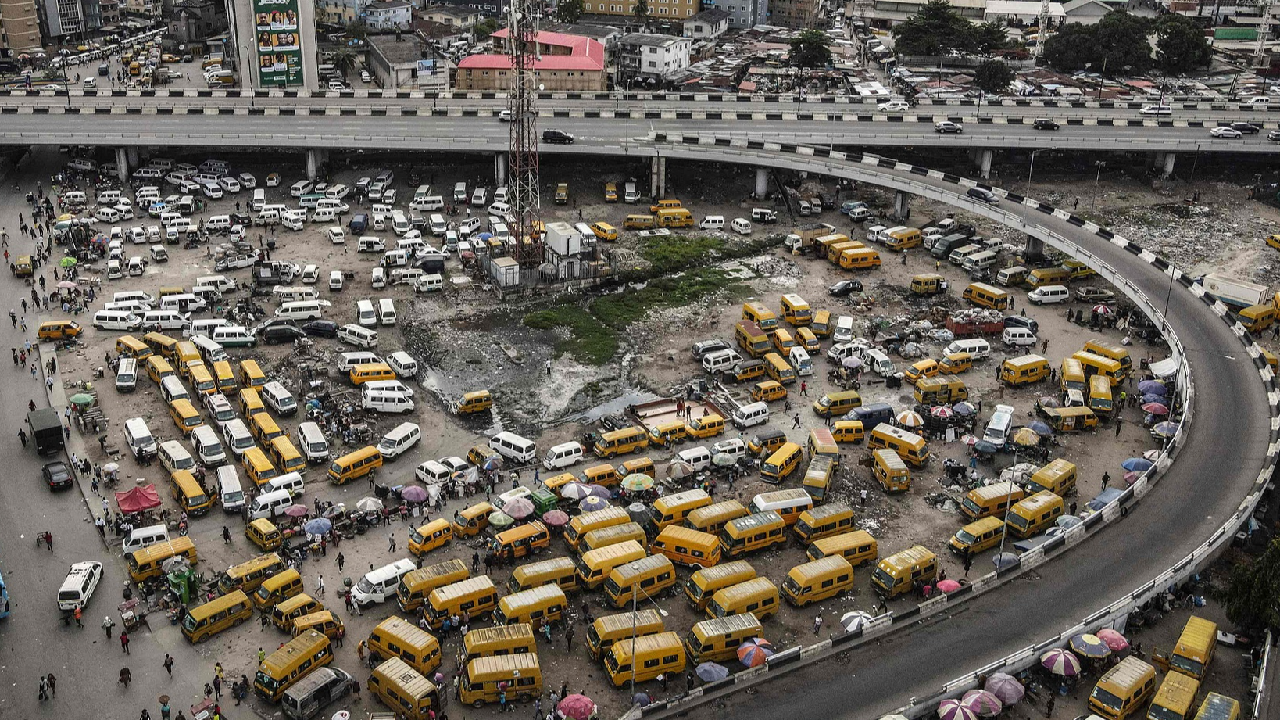
The Federal Capital Territory Administration is planning additional modern bus and taxi terminals across Abuja as it intensifies enforcement against illegal motor parks and roadside passenger loading.
The initiative, led by FCT Minister Nyesom Wike, is also aimed at reducing the security risks associated with unregulated transport operations, including the persistent threat of “one chance” robberies. The administration is preparing to commence full operations at newly completed terminals in Mabushi, Kugbo and the Central Business District (CBD).
/ You Might Also Like /
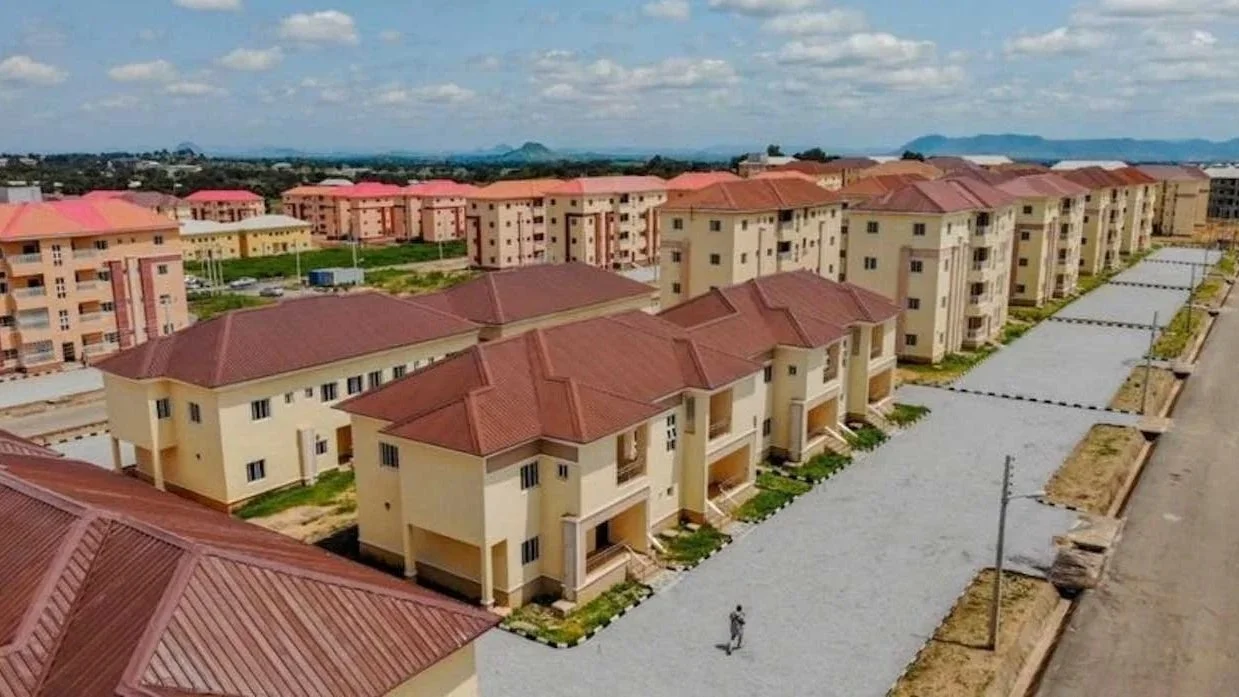

FCT targets illegal transport operations
Mandate Secretary of the FCT Transportation Secretariat, Chinedum Elechi, disclosed the plans on Thursday during a briefing in Abuja on the operationalisation of the new terminals.
He said the administration would no longer allow commercial transport operators to pick up passengers from unauthorised roadside locations once the terminals become fully operational.
Operators who continue to use illegal motor parks or convert private premises into unauthorised loading points will face enforcement measures, including sealing of the premises and vehicle impoundment.
The FCT had previously released more than 100 impounded vehicles after their owners signed undertakings to comply with transport regulations. Elechi said the administration would not continue with such concessions once full enforcement begins.
New terminals to serve intra-city and intercity travel
The three newly completed terminals will serve different segments of Abuja's transport system.
The CBD terminal will cater primarily to intra-city commuters, taxis, e-hailing operators and feeder buses. The Mabushi and Kugbo terminals will focus on intercity transportation.
According to Elechi, the terminals are intended to function as major transport hubs connected to structured last-mile transport services. Passengers arriving from other cities would be able to transfer to local buses, taxis or other approved transport services for the final leg of their journeys.
The administration's longer-term plan includes additional terminals, with future facilities to be funded through budgetary allocations.
Transport reform linked to urban security
The FCT Administration said the crackdown is driven partly by security concerns.
Elechi argued that unregulated loading points create an environment where criminal activities can occur with less oversight. He specifically linked informal transport operations to “one chance” robberies, illegal arms movement and drug trafficking.
Under the proposed system, transport operators would operate from designated terminals and undergo profiling, creating greater oversight over commercial transportation within the capital.
The administration expects the structured system to improve passenger safety while giving authorities greater control over commercial transport activities.
Terminals designed as major urban facilities
The FCT Transportation Secretariat described the new terminals as the first comprehensive terminal system developed in the nearly 50-year history of the Federal Capital Territory.
Each facility is designed to accommodate more than 2,000 passengers daily and includes organised parking areas, shopping outlets, food courts, escalators and cinemas.
The terminals are being developed through a Public-Private Partnership (PPP) arrangement with Planet Projects.
The FCT is also discussing dedicated loading bays for staff buses at the CBD terminal with the Office of the Head of the Civil Service of the Federation.
Abuja's transport network and urban development
The transport reforms carry implications beyond commuter mobility.
Abuja's continued population growth and expansion require transport infrastructure capable of connecting residential districts with employment, commercial and institutional centres. A structured terminal network could help reduce informal roadside activity while improving connections between major transport corridors and neighbourhoods.
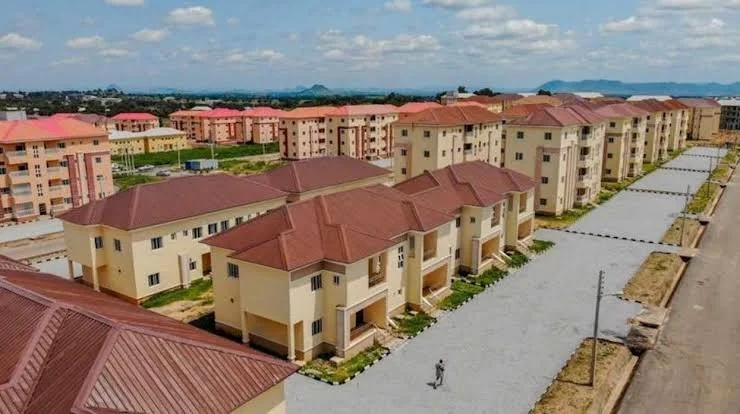
The proposed last-mile system is particularly relevant to residential development because the usefulness of housing locations depends partly on access to reliable transport.
Modern transport hubs can also support wider urban renewal by concentrating commercial transport activities in planned locations rather than allowing informal parks to develop along roads and residential areas.
FCT plans further terminal expansion
Elechi said additional transport terminals had already been incorporated into the administration's expansion plans and would be financed through future budgetary allocations.
The objective is to establish a network of transport hubs rather than rely on a small number of facilities.
This approach could gradually reshape the way residents and visitors move around Abuja, particularly if the terminals are supported by reliable feeder services and effective enforcement of loading restrictions.
The FCT Administration also appealed to residents to protect the new infrastructure from vandalism. According to Elechi, theft of solar batteries, damage to sensors and other acts of vandalism have contributed to traffic signal failures in parts of the capital.
Storm damage repairs at Kugbo terminal
The administration also addressed concerns over recent storm damage at the Kugbo terminal.
Elechi said repairs and structural improvements were nearing completion, adding that the facility had absorbed the impact of a severe windstorm that could otherwise have caused greater damage to surrounding residential communities.
The development highlights the importance of incorporating resilience and appropriate engineering standards into major urban infrastructure, particularly as Abuja continues to expand.
Outlook
The FCT's transport strategy represents a broader attempt to integrate mobility, security and urban planning in Abuja.
The immediate priority is to bring the Mabushi, Kugbo and CBD terminals into full operation and enforce restrictions on roadside loading and illegal motor parks. The success of the programme will depend not only on enforcement but also on the availability of reliable last-mile connections that make the formal system convenient for commuters.
For Abuja's housing and real estate market, a more structured transport network could improve connectivity between residential communities and major economic centres. As the FCT expands its terminal network, integrating transport planning with residential and commercial development will remain important to the capital's long-term urban growth.
READ MORE