Nigerians Put Home Purchases on Hold as High Costs Weigh on Household Budgets
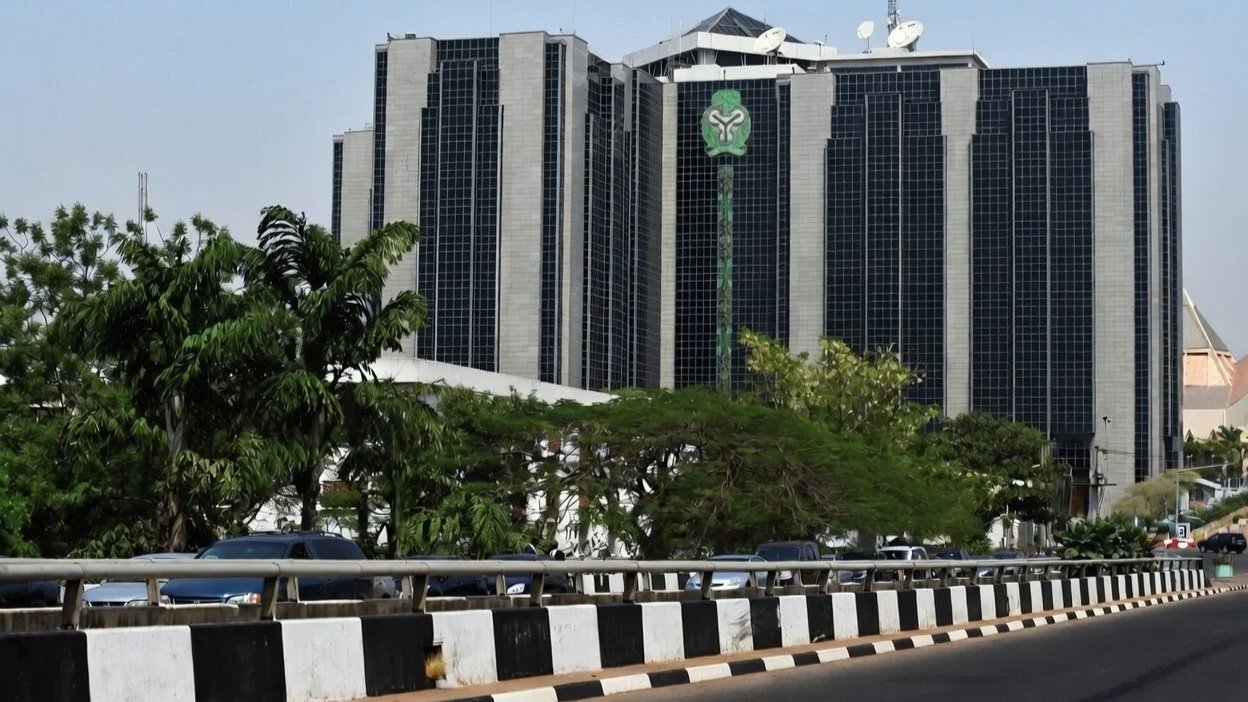
CBN Survey: Nigerians Postpone Home Purchases as High Costs Squeeze Households
Nigerians are increasingly postponing major purchases, including homes and landed property, as high living costs and elevated borrowing rates continue to constrain household finances, according to the latest Central Bank of Nigeria (CBN) Household Expectations Survey.
/ You Might Also Like /




The survey indicates that households remain focused largely on essential spending, leaving limited disposable income for property purchases and other long-term investments.
Weak Demand for Property
The CBN survey showed that buying conditions for buildings and landed property stood at 30.0 points, while willingness to purchase was significantly lower at 19.2 points.
The outlook for house purchases was also negative, with an index of -56.9, indicating that consumers remained highly cautious about committing to property purchases.
The CBN said buying conditions for major purchases remained below its 50-point threshold, signalling that most respondents considered the prevailing environment unfavourable for acquiring homes, vehicles and consumer durables.
Borrowing Costs Remain a Major Constraint
The weakness in housing demand comes as borrowing costs remain elevated.
The CBN maintained the Monetary Policy Rate at 26.5% at its July 2026 meeting, while the survey showed that 35.6% of respondents expected bank lending rates to rise over the next three months. Meanwhile, 57.2% preferred interest rates to decline.
For prospective homeowners, elevated lending rates can make mortgage financing more expensive and reduce the number of households able to qualify for or comfortably service housing loans.
Inflation Moderates, But Household Pressure Persists
Although Nigeria's headline inflation moderated marginally to 15.91% in June 2026, the improvement has yet to translate into stronger consumer purchasing power.
The survey found that food remained the biggest household expenditure, alongside household goods, education, transportation, electricity and water. This leaves less income available for major investments such as housing.
Implications for Nigeria's Housing Market
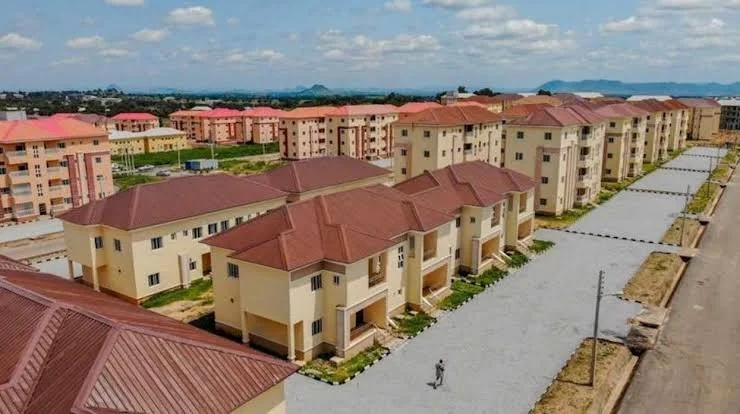
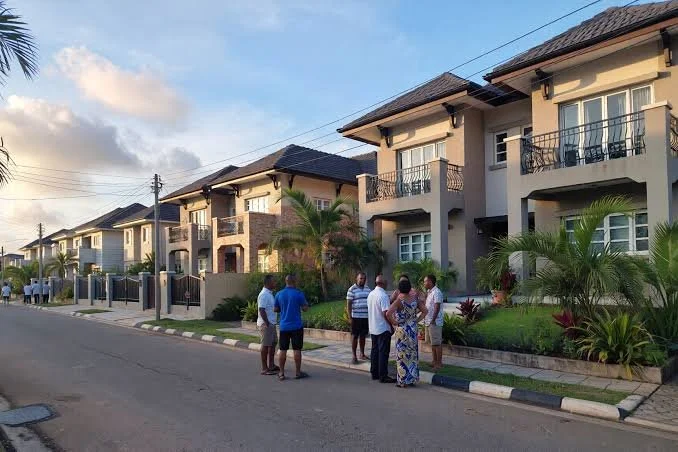
The findings highlight a growing disconnect between housing supply and effective housing demand.
While developers continue to face high construction and financing costs, prospective buyers are simultaneously struggling with affordability. This combination could slow transaction volumes and increase the time properties remain on the market.
For developers, the data reinforces the need to focus on more affordable housing models, flexible payment structures and financing arrangements that reflect the purchasing power of middle- and lower-income households.
Pressure on Property Investment
Weak household demand could also affect investment decisions across the property market.
Lower purchasing power may reduce demand for completed homes, plots of land and other residential assets. It could also influence rental decisions, as households facing financial pressure may prioritise cheaper accommodation or postpone moves to higher-value properties.
However, the underlying housing shortage means demand has not disappeared. Rather, affordability is increasingly determining who can participate in the market and at what price point.
Why It Matters
For Nigeria's housing sector, the CBN findings reinforce the importance of expanding access to affordable mortgages and lower-cost housing finance.
Without improvements in household purchasing power and financing conditions, increasing housing supply alone may not translate into stronger homeownership. Developers, lenders and policymakers will need to address both the supply and affordability sides of the market.
Outlook
The CBN expects consumer sentiment across several spending categories to improve modestly over the next six months. However, continued concerns over inflation and borrowing costs could keep housing demand subdued in the near term.
For the property sector, the immediate challenge will be finding ways to make homes and land accessible to households whose incomes remain under pressure.
READ MORE