Nigeria Requires $14 Billion Annual Investment to Close Infrastructure Gap - Wale Edun
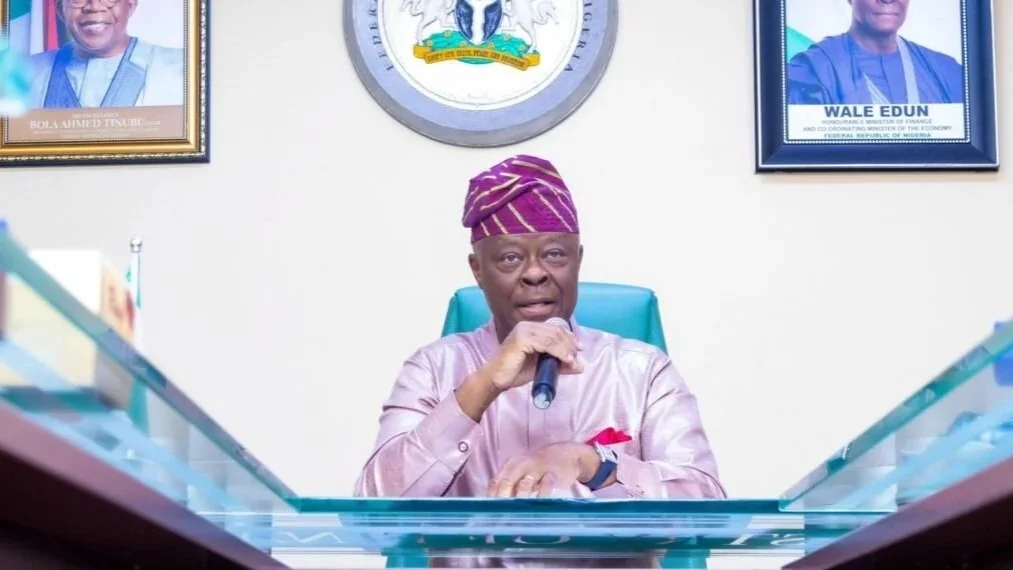
Edun Calls for Private Capital to Bridge $14 Billion Infrastructure Deficit
Nigeria needs an estimated $14 billion in annual investments to effectively bridge its persistent infrastructure deficit. This was disclosed by the Minister of Finance and Coordinating Minister of the Economy, Mr. Wale Edun, during the Islamic Development Bank (IsDB) Day held in Lagos on Monday, March 30, 2026.
According to the Minister, addressing this financing gap is fundamental to achieving the government’s target of a 7% annual Gross Domestic Product (GDP) growth rate. Edun emphasized that such growth is necessary to outpace the nation’s population expansion, which currently averages approximately 3% per annum, and to significantly reduce poverty levels
/ You Might Also Like /


Strategic Shift to Private Capital
During his address, the Minister outlined a strategic transition in the government’s fiscal approach, moving away from a traditional reliance on public sector borrowing toward the mobilization of private capital. He noted that the federal government is focused on creating a stable macroeconomic environment to attract both domestic and foreign direct investment (FDI).
"We are moving from stabilization to growth, from relying on public financing to mobilizing private capital, and from traditional borrowing to using innovative financing instruments," Edun stated.
The government’s strategy involves leveraging "innovative financing instruments" to attract the scale of funding required for capital-intensive projects. This shift is intended to reduce the fiscal burden on the state while ensuring that critical projects are completed through sustainable commercial models.
Priority Sectors and IsDB Collaboration
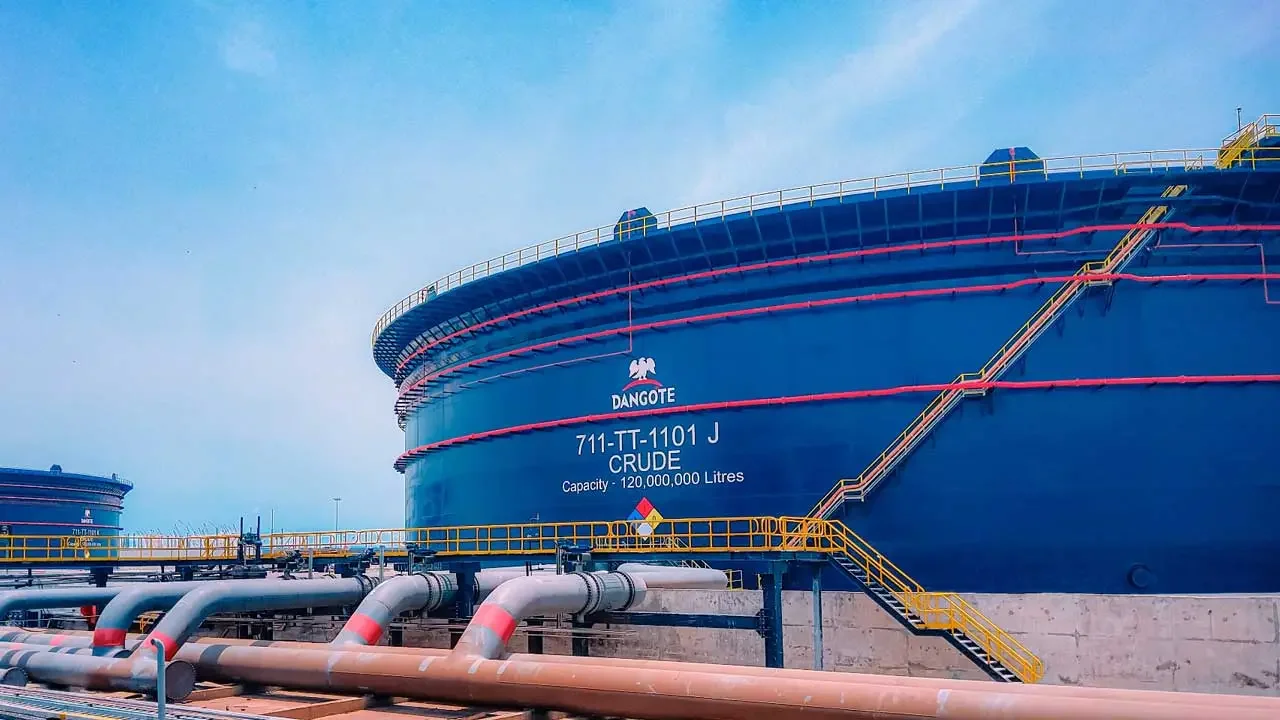
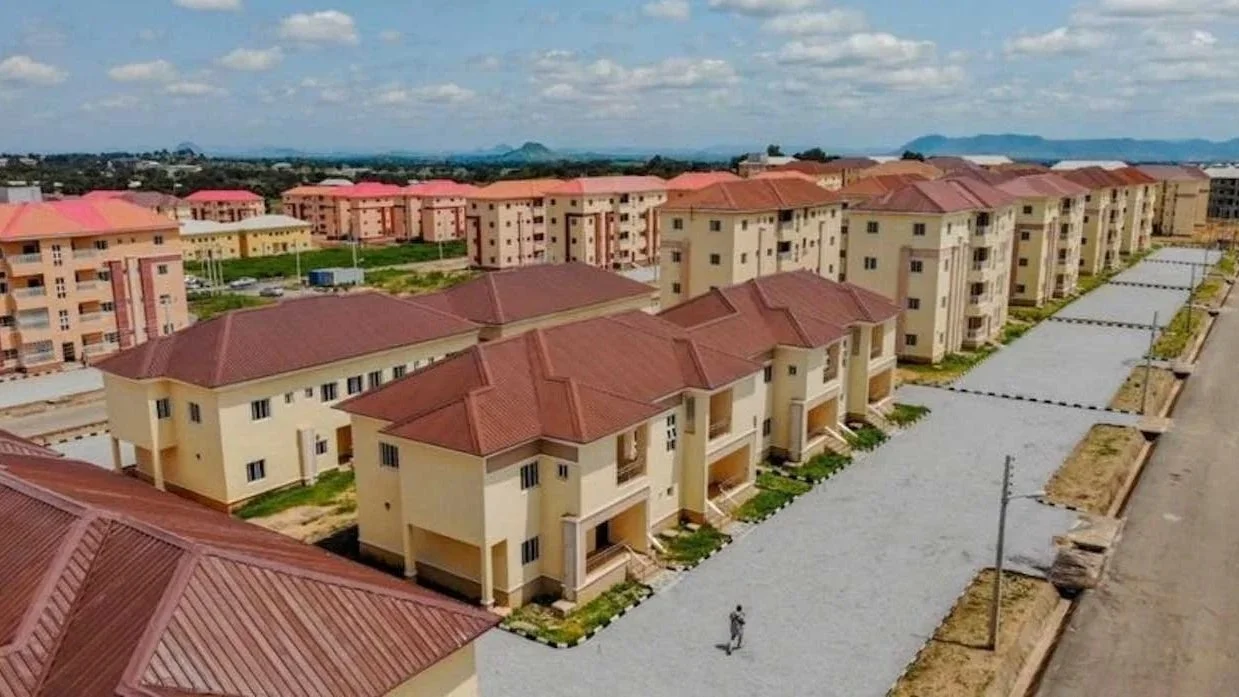
The Minister identified several key sectors as priorities for immediate investment to enhance Nigeria’s productivity and global competitiveness. These include:
Energy: Expanding power generation and distribution capacity.
Transport: Improving road, rail, and port connectivity.
Agriculture: Strengthening value chains and rural infrastructure.
Digital Infrastructure: Enhancing connectivity to empower Nigeria’s youthful population.
A central theme of the event was Nigeria’s deepening relationship with the Islamic Development Bank. Edun highlighted that the IsDB remains a critical partner in addressing the $14 billion annual financing gap through strategic funding and technical cooperation.
Economic Outlook and Challenges
The call for increased investment comes at a time when the government is attempting to consolidate recent macroeconomic reforms. While the Minister expressed confidence in the transition toward growth, the broader economic context remains complex. Recent data indicates that Nigeria’s foreign reserves declined by $547 million over a two-week period in March 2026, though the banking sector saw a significant uptick in foreign inflows throughout 2025.
Industry experts have previously noted that Nigeria’s total infrastructure stock is significantly lower than the international benchmark of 70% of GDP. To reach this level, consistent and long-term capital commitment is required.
The $14 billion annual requirement underscores the scale of the challenge facing Nigeria’s developmental aspirations. By prioritizing private sector engagement and strengthening ties with multilateral institutions like the IsDB, the federal government aims to create a pathway for sustainable infrastructure development. Success will depend on the government’s ability to maintain a transparent regulatory framework and a stable investment climate that can turn these multi-billion dollar requirements into tangible projects.
READ MORE