Lagos Ports Handle 84.6% of Nigeria’s ₦41.4tn Trade
Lagos ports drive Nigeria’s trade
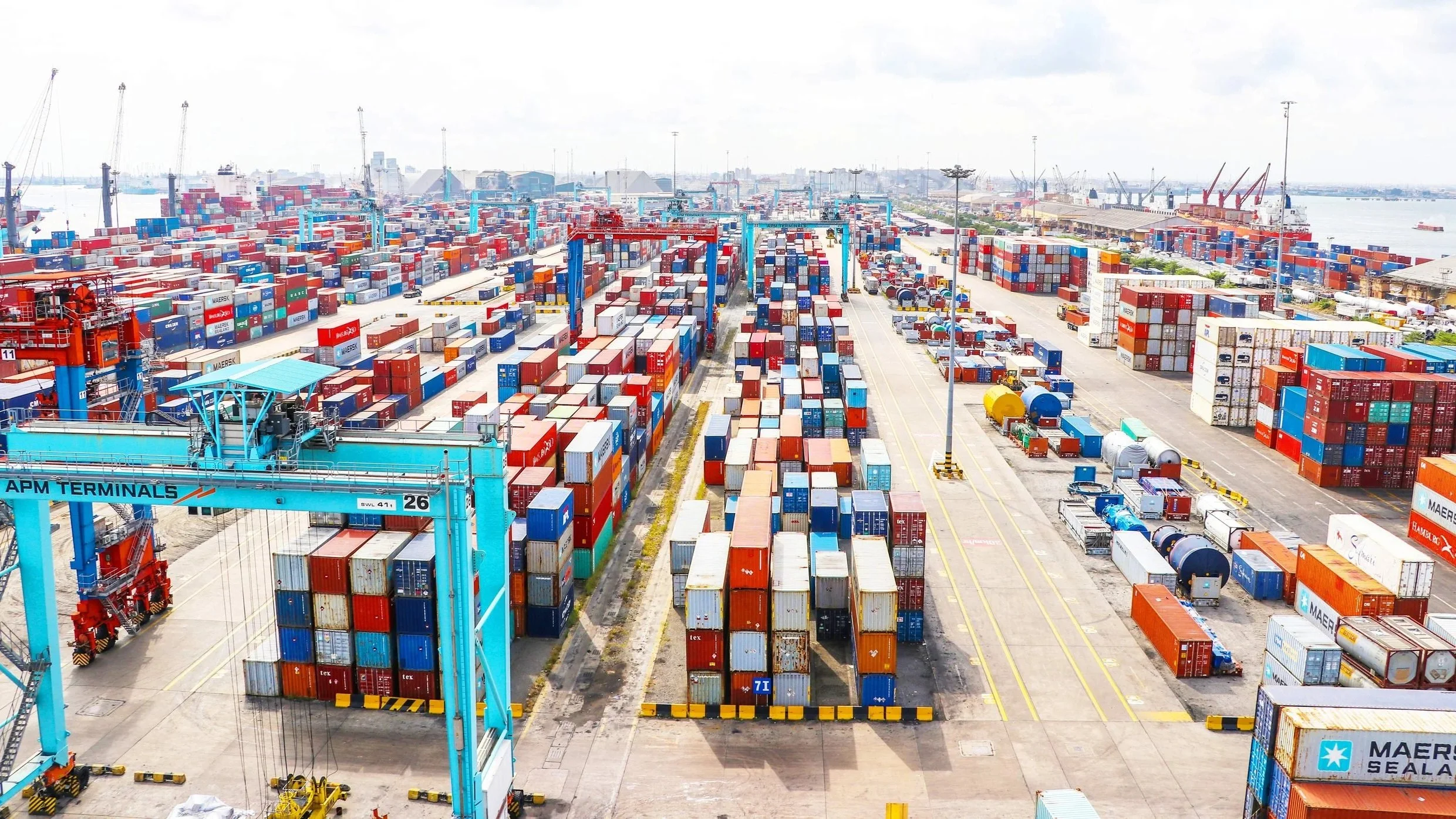
Lagos’ ports handled an estimated ₦35.07 trillion, representing 84.6 per cent of Nigeria’s ₦41.44 trillion total merchandise trade in the second quarter of 2026, reinforcing the state’s position as the country’s dominant trade and commercial gateway.
The latest Foreign Trade in Goods Statistics from the National Bureau of Statistics (NBS) showed that Nigeria recorded ₦27.02 trillion in exports and ₦14.42 trillion in imports during the quarter.
/ You Might Also Like /
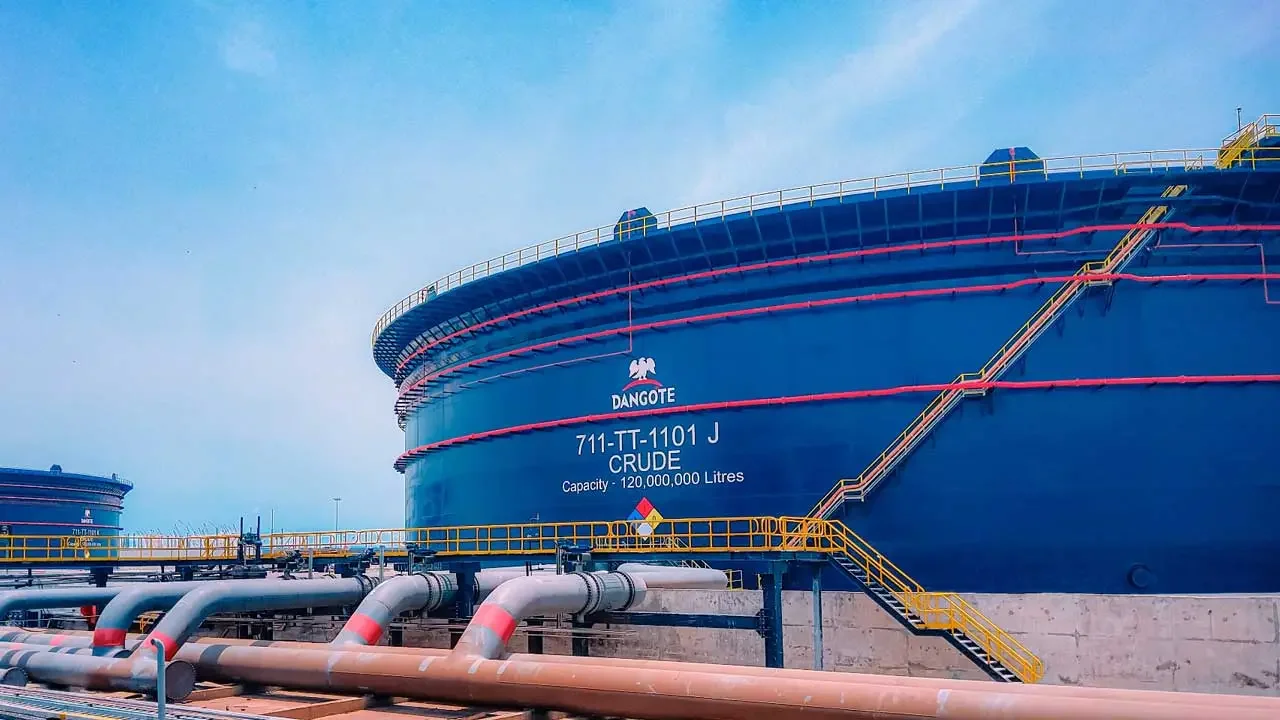

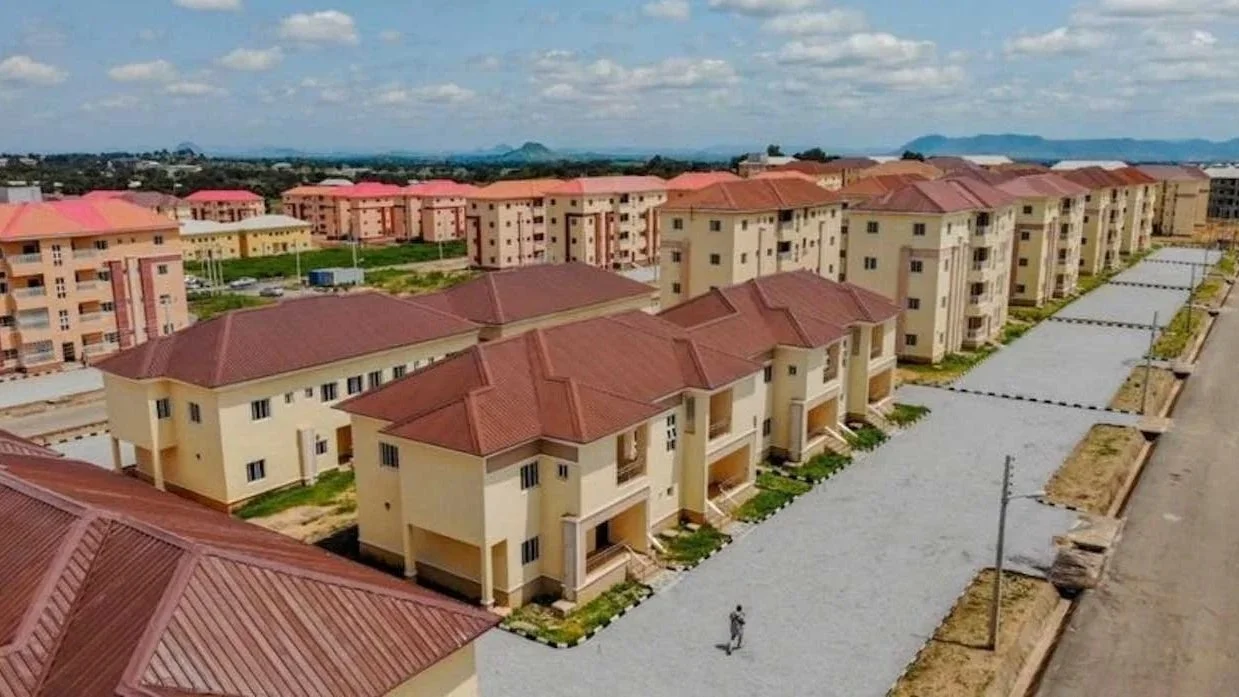

The concentration of trade around Lagos has wider implications for the city’s property market, particularly logistics, warehousing, industrial and commercial real estate.
Apapa, Lekki and Tin Can Island dominate trade flows
Apapa Port, Lekki Deep Sea Port and Tin Can Island accounted for the overwhelming majority of trade handled through Lagos.
Together, the three ports recorded approximately ₦34.90 trillion in combined exports and imports during the quarter.
Apapa Port remained the largest contributor, handling ₦25.53 trillion in total trade. This comprised ₦19.07 trillion in exports and ₦6.46 trillion in imports.
Lekki Deep Sea Port followed with ₦6.64 trillion, made up of ₦5.03 trillion in exports and ₦1.61 trillion in imports.
Tin Can Island recorded ₦2.90 trillion, comprising ₦726.92 billion in exports and ₦2.17 trillion in imports.
The figures highlight the growing importance of Lagos’ port infrastructure to the movement of goods into and out of Nigeria.
Lagos dominates Nigeria’s export gateway
The concentration becomes even stronger when exports are considered.
Apapa and Lekki Deep Sea Port jointly accounted for 89.19 per cent of exports recorded among the leading customs ports and posts during the quarter.
Apapa alone handled ₦19.07 trillion in exports, representing 70.57 per cent of the total, while Lekki handled ₦5.03 trillion, equivalent to 18.62 per cent.
This makes Lagos particularly important to companies involved in manufacturing, commodities, distribution and international trade.
The scale of activity also supports demand for facilities close to the ports, including warehouses, distribution centres, industrial estates, container yards and other logistics infrastructure.
Port activity could strengthen logistics property demand
The concentration of trade around Lagos has important implications for the real estate market.
As the volume of goods moving through Apapa, Lekki and Tin Can Island increases, businesses require additional space to store, process and distribute cargo.
This could support continued demand for industrial and logistics properties along major transport corridors connecting the ports with manufacturing and consumption centres.
Areas with good access to port infrastructure and major road networks could become increasingly attractive to logistics operators, manufacturers and investors seeking strategically located facilities.
However, infrastructure constraints remain an important factor. Congestion, road capacity, transport costs and delays can increase the cost of operating around major port areas and influence where businesses choose to locate their facilities.
Lekki Deep Sea Port strengthens Lagos’ logistics position
The performance of Lekki Deep Sea Port is particularly significant for the evolution of Lagos’ property and infrastructure markets.
With ₦6.64 trillion in trade recorded during the quarter, the port is becoming an increasingly important component of Nigeria’s external trade network.
Greater port activity can create opportunities beyond the immediate port environment.
Industrial and logistics developments may expand around adjoining areas as businesses seek proximity to cargo gateways while avoiding some of the constraints associated with more congested locations.
This could increase demand for industrial land, warehouses and distribution facilities across parts of the Lagos metropolitan area and its surrounding growth corridors.
Other Nigerian ports handle smaller trade volumes
The concentration of trade in Lagos contrasts with activity recorded at other Nigerian ports.
Port Harcourt Area-1 handled approximately ₦1.4 trillion in combined exports and imports during the quarter, while the Onne facility recorded about ₦2 trillion.
The figures indicate that Nigeria still has considerable room to diversify trade activity across its port network.
Greater utilisation of ports outside Lagos could reduce pressure on Lagos infrastructure and create new opportunities for industrial and logistics development in other parts of the country.
For property investors, such diversification could eventually create additional industrial and warehousing markets beyond Lagos.
Trade concentration creates opportunities and risks
Lagos’ dominant position in Nigeria’s trade economy presents significant opportunities for real estate investors, but it also creates infrastructure and concentration risks.
Strong port activity can support demand for commercial and industrial property, generate employment and encourage investment in surrounding areas.
At the same time, excessive concentration of trade in one metropolitan area can intensify pressure on roads, land, housing and other urban infrastructure.
As businesses expand around the ports, demand for worker housing and supporting commercial services can also increase, adding another layer to Lagos’ already significant housing and infrastructure pressures.
Outlook
Lagos’ handling of 84.6 per cent of Nigeria’s merchandise trade in Q2 2026 reinforces its position as the country’s principal commercial and logistics hub.
For the real estate sector, the scale of trade activity points to sustained opportunities in logistics, warehousing, industrial property and commercial development, particularly around major transport and port corridors.
The longer-term opportunity will depend on whether infrastructure investment keeps pace with trade volumes. Improving road connectivity, reducing port-related congestion and expanding logistics infrastructure could allow Lagos to convert its trade dominance into broader and more sustainable real estate and economic growth.
READ MORE