Lagos Housing Crisis Puts Affordability at Centre of Hamzat’s Campaign
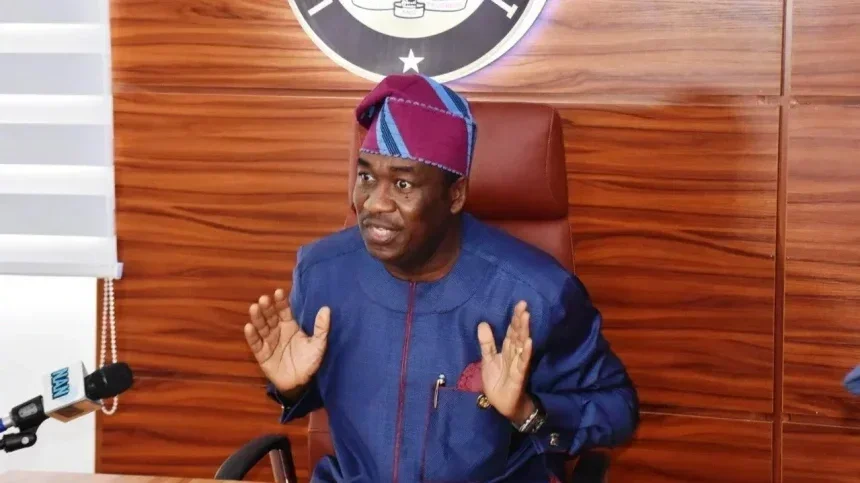
Lagos housing affordability crisis
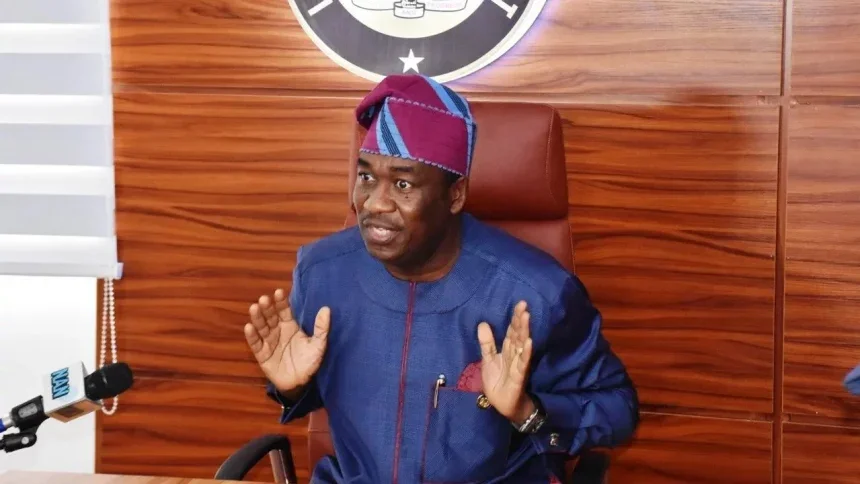
Lagos’ worsening housing affordability crisis is putting pressure on Kadri Obafemi Hamzat to set out a clear housing agenda as he seeks to succeed Babajide Sanwo-Olu as governor of the state.
Hamzat, the current deputy governor and the All Progressives Congress (APC) consensus candidate for the 2027 Lagos governorship election, has been engaging residents as part of his campaign activities. However, housing remains one of the major issues on which many Lagos residents are seeking more concrete commitments.
/ You Might Also Like /


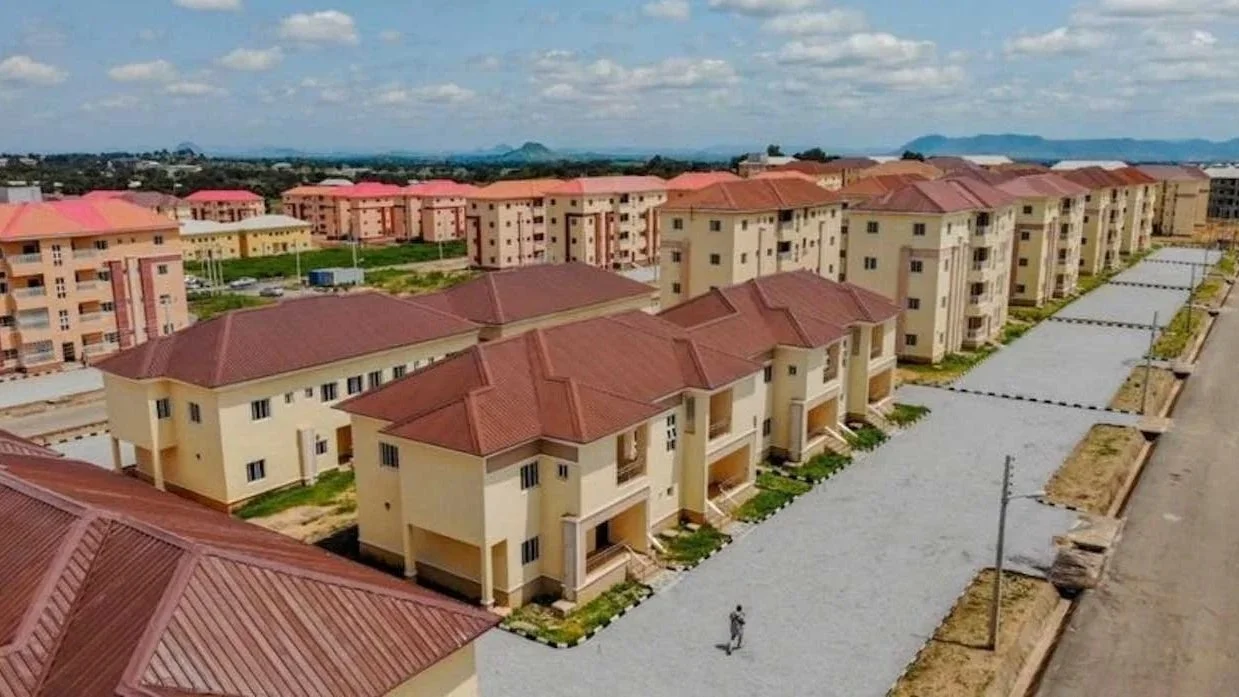

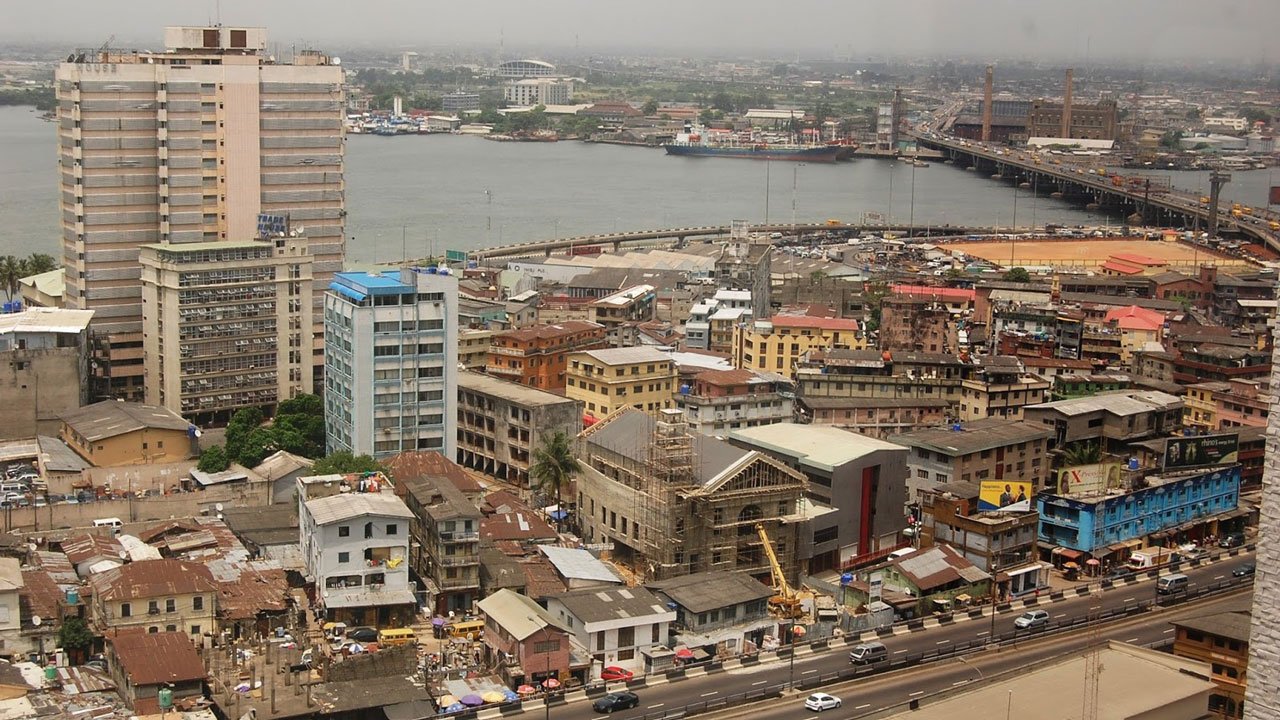
BusinessDay reports that Lagos has an estimated three million-unit housing deficit, reflecting both the shortage of available homes and the difficulty many residents face in accessing adequate housing.
The pressure has been compounded by rapid population growth, urbanisation, rising construction costs and increasing property values across several parts of the state.
Rising rents are increasing pressure on households
The rental market has become one of the clearest indicators of Lagos’ housing affordability challenge.
According to the report, only about 31% of Lagos’ population of more than 20 million are homeowners, leaving the majority dependent on rental accommodation.
BusinessDay also reports that many residents spend between 40% and 60% of their annual income on rent, while Lagos’ rent-to-income ratio has been estimated at about 70%, considerably above the 30% benchmark often regarded as a more sustainable level.
Annual rent increases have also placed additional pressure on households, with the report indicating that average increases are around 40% and can exceed 100% in some locations.
For lower- and middle-income households, such increases can force difficult choices between housing and other essential expenses, including food, transportation, education and healthcare.
More housing supply must translate into affordability
Increasing housing supply will be critical to addressing Lagos’ housing shortage, but simply delivering more units may not be enough to solve the affordability problem.
High land prices, expensive building materials, infrastructure costs, labour expenses and financing costs have all increased the cost of developing property in Lagos.
These factors can make newly completed homes unaffordable to many of the households experiencing the greatest housing pressure.
The challenge for the next administration will therefore be to create conditions that encourage developers to deliver housing at different price points, particularly for lower- and middle-income households.
Housing finance remains a major barrier
Access to affordable housing finance will also be important if Lagos is to significantly increase homeownership.
High interest rates and limited access to long-term mortgage financing make it difficult for many households to purchase homes, particularly when property prices have risen faster than incomes.
Developers also face high financing costs when funding construction projects, and these expenses eventually feed into the prices buyers and tenants pay.
A more effective housing strategy would therefore require stronger collaboration between the state government, mortgage institutions, commercial banks and private developers.
Expanding access to long-term and reasonably priced mortgage finance could help more households move from renting to homeownership while creating a stronger and more predictable market for developers.
Government and private developers need to work together
The scale of Lagos’ housing challenge means government-funded housing alone is unlikely to close the deficit.
The state will need to continue attracting private capital while creating an environment that makes large-scale housing development commercially viable.
This could include providing development-ready land, improving infrastructure around emerging housing corridors, simplifying approval processes and creating financing mechanisms that reduce development costs.
Public-private partnerships could also support larger housing projects by combining government resources such as land and infrastructure with private-sector capital, construction expertise and project management.
However, such partnerships will need clear affordability requirements if they are to address the housing needs of ordinary Lagos residents rather than primarily expanding the premium property market.
Location is central to housing affordability
The location of new housing will also determine whether it genuinely improves affordability.
Lower-cost land on the outskirts of Lagos can provide opportunities for cheaper housing development, but inadequate transport infrastructure can significantly increase the cost of living for residents who work in central parts of the city.
A household may pay less rent in a peripheral location but spend considerably more on transportation and lose additional time commuting.
This means housing policy must be coordinated with transport planning, infrastructure investment and employment distribution.
Affordable housing should not only be measured by the price of the building but also by the total cost of living associated with its location.
What Lagos residents will expect from Hamzat
As the 2027 governorship election approaches, housing expectations facing Hamzat are likely to go beyond promises to construct additional homes.
Residents will want clearer answers on how his administration would expand housing supply, improve affordability, moderate rental pressures and increase access to mortgages.
Developers and investors will also be looking for policies that improve the operating environment, reduce development costs and provide greater certainty for long-term investment.
For Lagos, the central issue is therefore not simply how many housing units can be delivered, but whether those homes will be affordable and accessible to the people who need them.
Housing affordability could become a key policy test
Lagos’ housing crisis requires a combination of increased supply, better infrastructure, accessible financing and stronger cooperation between government and the private sector.
With millions of residents facing high rents and limited access to homeownership, housing affordability is likely to remain a significant issue for voters ahead of the 2027 election.
For Hamzat, presenting a detailed and measurable housing strategy could become an important test of how his administration intends to address one of Lagos’ most persistent economic and social challenges.
READ MORE