Importers Pay Up to ₦100,000 Daily Demurrage Over National Single Window Delays
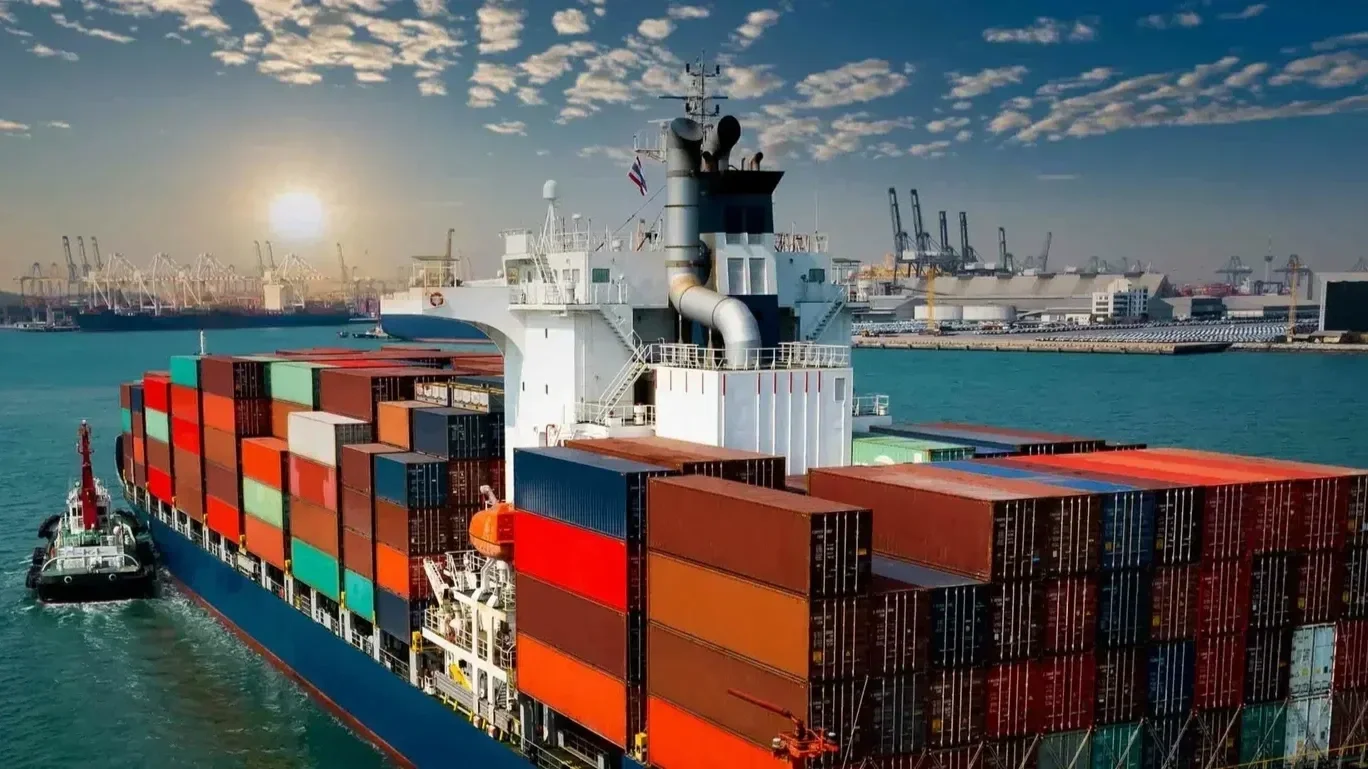
Importers Accrue Heavy Demurrage Amid Cargo Clearance Bottlenecks
Importers and licensed customs agents have raised concerns over rising demurrage charges at Nigeria’s seaports, alleging that delays associated with the National Single Window (NSW) platform are increasing cargo clearance times and driving up the cost of doing business. According to industry stakeholders, some importers now pay as much as ₦100,000 per day in demurrage and storage charges while waiting for regulatory approvals and cargo processing.
/ You Might Also Like /




The concerns come as Nigeria continues efforts to modernise trade processes through the National Single Window initiative, a digital platform designed to streamline documentation and improve efficiency across government agencies involved in import and export operations.
Customs Agents Cite Delays in Regulatory Approvals
According to the National Council of Managing Directors of Licensed Customs Agents (NCMDLCA), importers continue to experience delays in securing approvals from agencies such as the National Agency for Food and Drug Administration and Control (NAFDAC) and the Standards Organisation of Nigeria (SON). These delays, stakeholders argue, have resulted in cargo remaining at terminals for extended periods, leading to escalating demurrage costs.
Industry representatives contend that the current implementation of the National Single Window has not yet achieved the seamless integration expected of a true single-window system, as importers still interact separately with multiple agencies during the clearance process.
Importers Face Rising Business Costs
The additional costs associated with delayed cargo clearance are placing financial pressure on importers already grappling with foreign exchange challenges, logistics expenses and rising operational costs.
According to customs agents, some consignments remain at terminals for two to three weeks before receiving final approvals, resulting in substantial demurrage liabilities. These charges are ultimately passed through the supply chain, increasing costs for businesses and consumers.
Industry stakeholders warn that prolonged delays could undermine efforts to improve Nigeria’s trade competitiveness and ease of doing business rankings.
National Single Window Managers Respond
Officials involved in managing the National Single Window project have rejected claims that the platform was designed to provide instant approvals. They maintain that the objective of the system is to create a unified digital entry point for documentation and regulatory interactions rather than guarantee one-day clearance timelines.
Project officials also acknowledged that implementation challenges remain, including inherited backlogs within some government agencies. They stated that efforts are ongoing to address bottlenecks and improve processing times across participating institutions.
Implications for Trade and Supply Chains
Efficient port operations are critical to Nigeria’s economy, particularly for manufacturers, retailers and construction firms that rely on imported raw materials, machinery and finished goods.
Higher demurrage and storage costs can contribute to inflationary pressures by increasing the cost of imported products and production inputs. For the housing and construction sector, delays at ports can affect the availability and pricing of building materials, equipment and infrastructure components.
Industry experts note that successful implementation of the National Single Window could eventually reduce transaction costs, improve transparency and accelerate cargo clearance. However, stakeholders argue that operational challenges must be resolved quickly to realise these benefits.
Calls for Further Reforms
Maritime stakeholders have called for stronger coordination among regulatory agencies, improved system integration and relief measures for importers affected by delays. Some industry groups have also advocated demurrage waivers for importers whose cargoes were impacted by technical and operational challenges linked to the NSW rollout.
Analysts believe that addressing these concerns will be essential to improving trade facilitation, reducing logistics costs and supporting Nigeria’s broader economic competitiveness.
Conclusion
The concerns raised by customs agents highlight the challenges accompanying the rollout of major trade modernisation initiatives. While the National Single Window is expected to improve efficiency in the long term, stakeholders say resolving current implementation bottlenecks is critical to reducing cargo clearance delays, lowering business costs and restoring confidence in Nigeria’s port operations.
READ MORE