Kano Commits ₦996bn to 1,557 Projects, Including Mass Housing and Major Roads
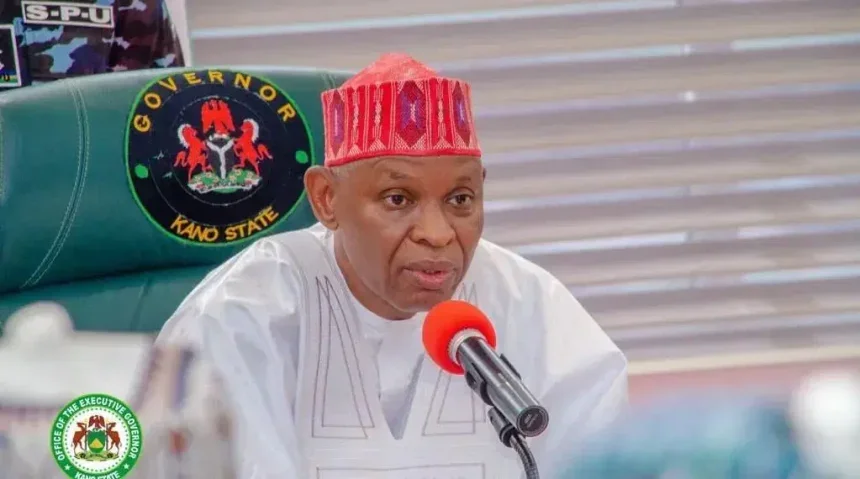
Kano state Governor, Alhaji Abba Kabir Yusuf
The Kano State Government says it has committed ₦996.29 billion to 1,557 development projects across the state's 44 local government areas, with investments spanning mass housing, roads, bridges, urban infrastructure and rural development
/ You Might Also Like /




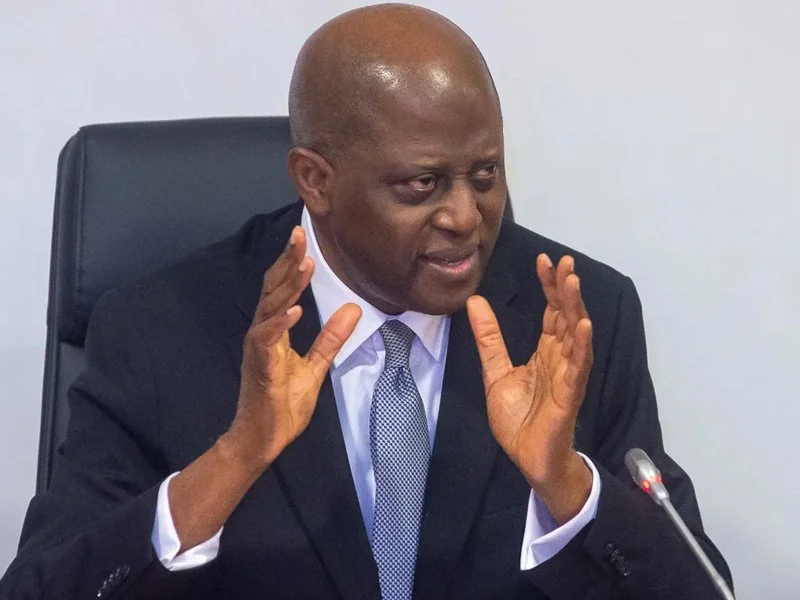
The Commissioner for Public Procurement, Projects Monitoring and Evaluation, Nura Maaji Sumaila, disclosed the figures during an international press briefing on project implementation, procurement compliance, geographical distribution and financial performance.
According to the state government's project monitoring database, 867 projects, representing 55.68 per cent of the total, have been completed, while 654 projects, or 42 per cent, remain ongoing. Another 26 projects are at the award stage, with 10 planned and ready for award.
Mass housing accounts for major investment
Housing forms a significant part of the state's project portfolio, with the government highlighting major investments intended to expand housing supply across metropolitan and rural areas.
The government listed a ₦113.19 billion mass housing project at Rijiyar Gwangwan in Dawakin Kudu among its major strategic investments. It also identified a Rural Model City housing project valued at about ₦22 billion and covering the state's 36 rural local government areas.
The projects are intended to extend housing development beyond Kano's urban centre and create residential infrastructure in areas where population growth and urbanisation are increasing demand for housing.
However, the commissioner said some of the high-value housing schemes remain at the award stage and are awaiting the completion of relevant due-process requirements.
Roads and urban infrastructure take significant share
The state's investment programme also includes major transport and urban infrastructure projects.
Among the projects cited is the ₦24.77 billion expansion of Katsina Road, covering parts of Fagge and Dala, as well as the ₦27.74 billion Madobi-Yako-Kafin Maiyaki/Kiru Road project. The government also listed ₦21.90 billion in Modern Cities infrastructure covering parts of Dawakin Kudu, Dawakin Tofa and Kumbotso.
Other cross-cutting investments include road expansions, bridges, solar street lighting, traffic management systems and inter-local government roads.
These projects have implications for property development because road connectivity and supporting infrastructure can influence the location, accessibility and viability of new residential and commercial developments.
Rural areas receive substantial allocation
The project portfolio extends beyond Kano's metropolitan areas.
The government said 653 projects valued at ₦287.90 billion are located across the state's 36 rural local government areas. By comparison, 598 projects worth ₦299.36 billion are located within the eight metropolitan local government areas.
The distribution reflects an attempt to spread infrastructure investment across both urban and rural communities.
For the housing sector, rural infrastructure investment can support the emergence of new settlements and improve connections between smaller communities and major economic centres.
Project implementation remains a key consideration
While the scale of the project portfolio is substantial, implementation remains important in determining its actual development impact.
The government said ₦695.20 billion of the cumulative contract value had received Certificates of No Objection, while payment certificates worth ₦444.75 billion had been vetted by the ministry.
The figures indicate that procurement approvals and payment certification have progressed at different stages across the portfolio.
The commissioner said the ministry would continue monitoring projects from procurement through completion to strengthen accountability and ensure value for money.
Housing delivery linked to wider infrastructure
The scale of Kano's housing investments highlights the relationship between housing supply and supporting infrastructure.
Mass housing developments require more than residential buildings. Roads, drainage, electricity, water supply, transport connections and other services are necessary to make new housing areas viable and sustainable.
Projects such as the Modern Cities programme and major road expansions could therefore influence the development potential of areas surrounding the housing schemes.
For developers and investors, infrastructure provision can also affect land values and the attractiveness of emerging property corridors.
Outlook
Kano's ₦996.29 billion project portfolio represents a significant investment in housing and infrastructure across the state, with 867 projects already reported as completed and hundreds more at various stages of implementation.
The immediate priority will be completing ongoing projects and moving high-value housing schemes through the required procurement and implementation stages.
For Kano's housing market, the effectiveness of these investments will ultimately depend on whether they translate into completed homes, improved connectivity and reliable infrastructure capable of supporting sustainable urban and rural growth.
READ MORE